Spring in Cambodia brings a gentle warmth and lush greenery to the northern regions, making it an ideal time to explore the historic and tranquil site of Prasat Bakong. Located in Siem Reap Province, this 9th-century temple complex is part of the Roluos Group, a lesser-known but deeply significant precursor to Angkor Wat. With fewer crowds than the main Angkor sites and a peaceful atmosphere, Prasat Bakong offers travelers a chance to connect with Cambodia’s rich heritage in a more intimate setting. Spring’s mild weather and blooming flora enhance the experience, making it a perfect destination for history lovers, photographers, and those seeking quiet reflection.
Discovering Prasat Bakong: A Temple of Early Khmer Architecture
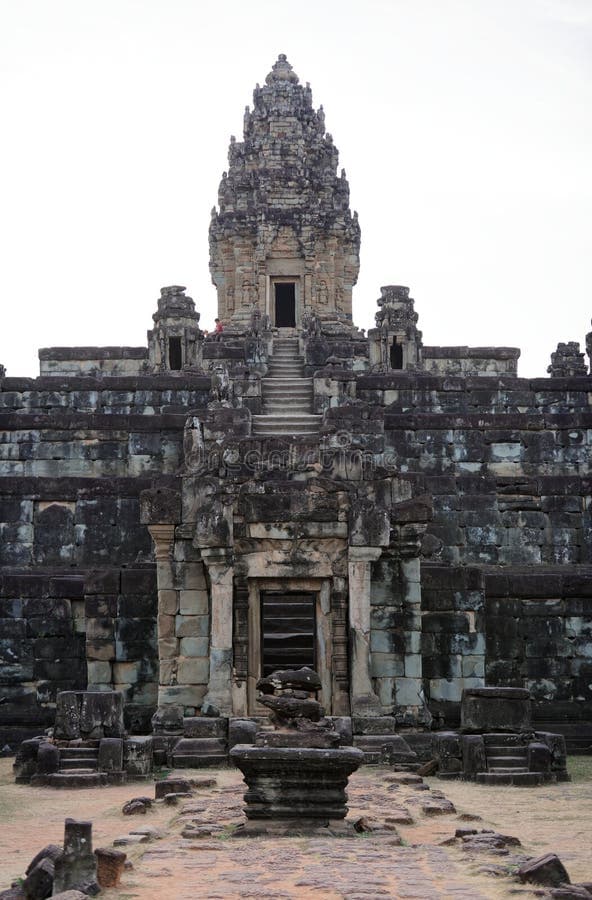
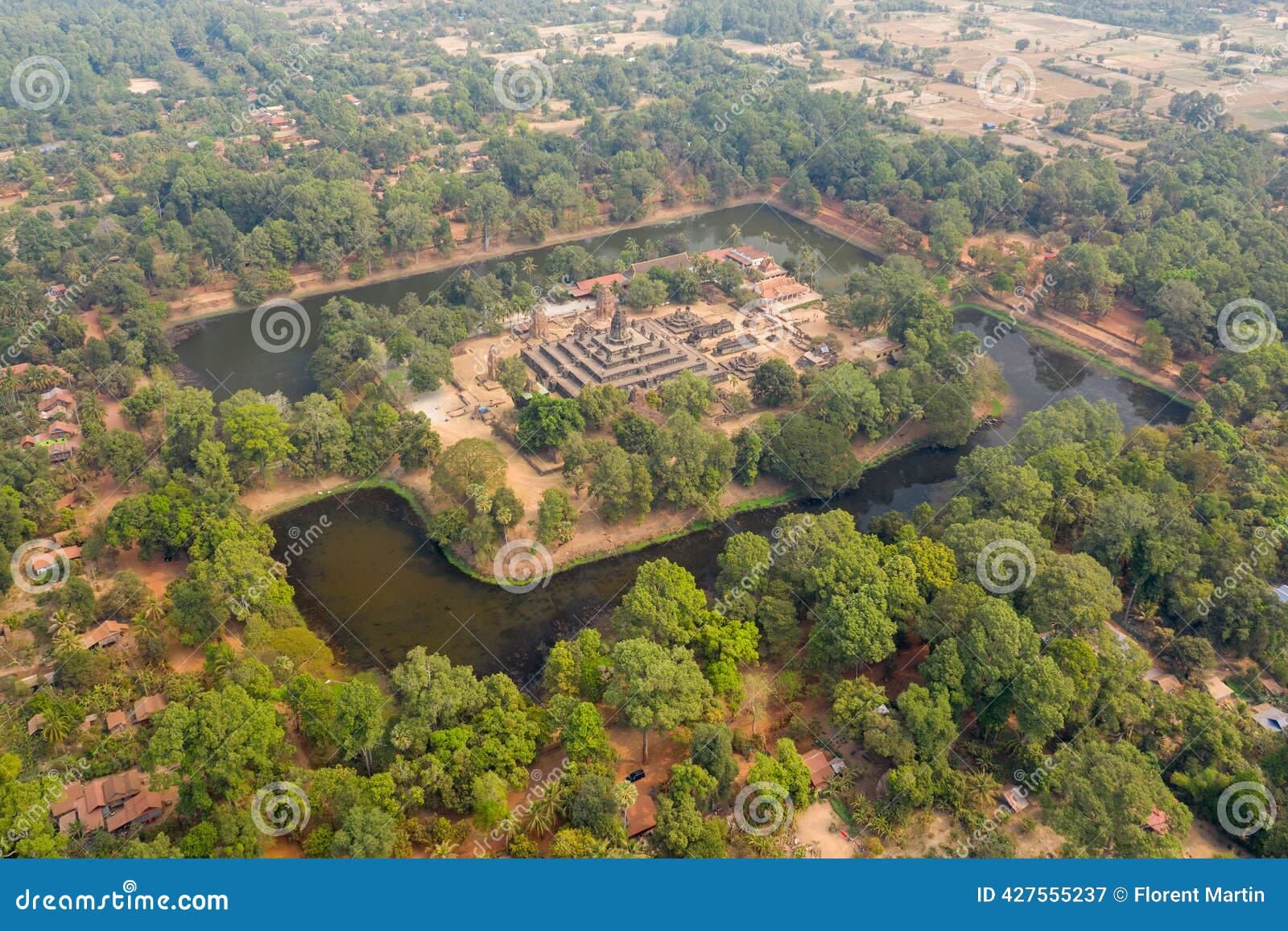
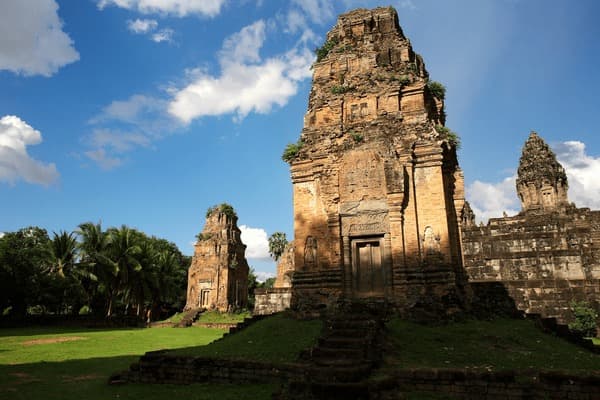
Prasat Bakong, meaning “Mountain Temple,” is a masterpiece of early Khmer architecture and the first state temple built during the reign of King Indravarman I (877–889 CE). Its design reflects Hindu cosmology, with a central tower symbolizing Mount Meru, the mythical home of the gods. The temple’s five-tiered pyramid structure, surrounded by galleries and moats, is a precursor to the grandeur of Angkor Wat. Although much of the original structure has been lost to time, the remaining base and the northeast tower—considered the best-preserved—offer a glimpse into Cambodia’s architectural evolution.
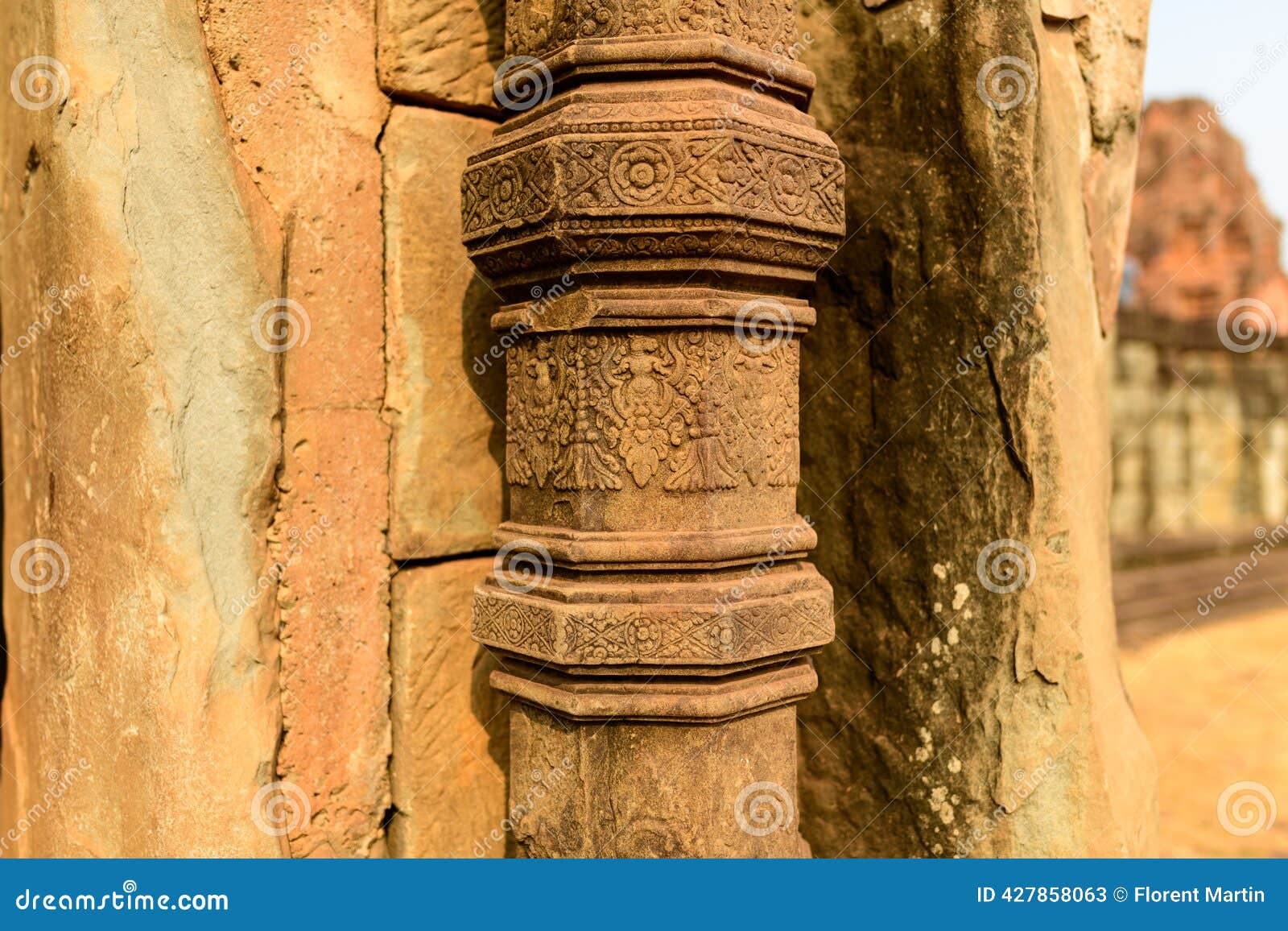
Visitors enter and exit through the eastern gate, where intricate stone carvings and guardian figures still stand. The east-facing towers feature male guardians holding tridents, while the west-facing ones depict female divinities with flywhisks, reflecting the temple’s religious symbolism. These details are best appreciated in the soft morning light of spring, when the sun casts gentle shadows across the stone, highlighting textures and carvings.
The Best Time to Visit: Why Spring Shines at Prasat Bakong
Spring in Cambodia (roughly March to May) is characterized by warm, dry weather with temperatures averaging between 25°C and 35°C (77°F–95°F). While it can be hot, the mornings and evenings are pleasantly cool, making early morning visits ideal for exploring the temple grounds. The skies are typically clear, offering excellent visibility and photo opportunities, especially during sunrise when the temple glows with golden light.
This season also precedes the rainy season, meaning fewer mosquitoes and less humidity than in late spring or summer. Roads to Prasat Bakong are dry and accessible, and the surrounding vegetation is lush and vibrant. The temple’s moat and surrounding trees are often adorned with blooming flowers, adding color to the ancient stone. For travelers seeking a comfortable and visually stunning experience, spring is among the best times to visit.
Getting There: Practical Travel Tips for Prasat Bakong
Prasat Bakong is located approximately 13 kilometers southeast of Siem Reap town, within the Roluos Group of temples. It’s easily accessible by tuk-tuk, motorbike, or private car, with most tours from Siem Reap including a stop at Bakong as part of a broader Angkor circuit. The journey takes about 20–30 minutes, depending on traffic.
For independent travelers, hiring a local guide is recommended to gain deeper insights into the temple’s history and symbolism. Many guides are knowledgeable about the site’s significance and can explain the architectural details and religious context. The entrance fee is modest and includes access to the entire Roluos Group, which also includes Preah Ko and Lolei temples.
Travelers should wear comfortable walking shoes and bring a hat, sunscreen, and plenty of water. A light jacket or scarf is useful for early mornings or evenings when temperatures dip. While the site is not as crowded as Angkor Wat, it’s still important to respect local customs—avoid loud noises, dress modestly, and refrain from climbing on the temple structures.
Beyond the Temple: Exploring the Surrounding Area
While Prasat Bakong is the main attraction, the surrounding region offers additional experiences that enrich your spring visit. The nearby village of Kompong Pluk, located 38 kilometers from Siem Reap, is a remarkable stilted community built on the Tonle Sap Lake. Homes are elevated five meters above ground to accommodate the lake’s seasonal water fluctuations. Visiting during spring allows you to witness the lake at its most serene, with clear waters and blooming lotus flowers.
You can also explore other temples in the Roluos Group, such as Preah Ko and Lolei, which are less frequented but equally fascinating. These sites offer a quieter, more contemplative experience and provide context for the evolution of Khmer temple design. For those interested in culture, local markets and village life in the area offer glimpses into traditional Cambodian daily life.
Photography and Reflection: Capturing the Essence of Spring
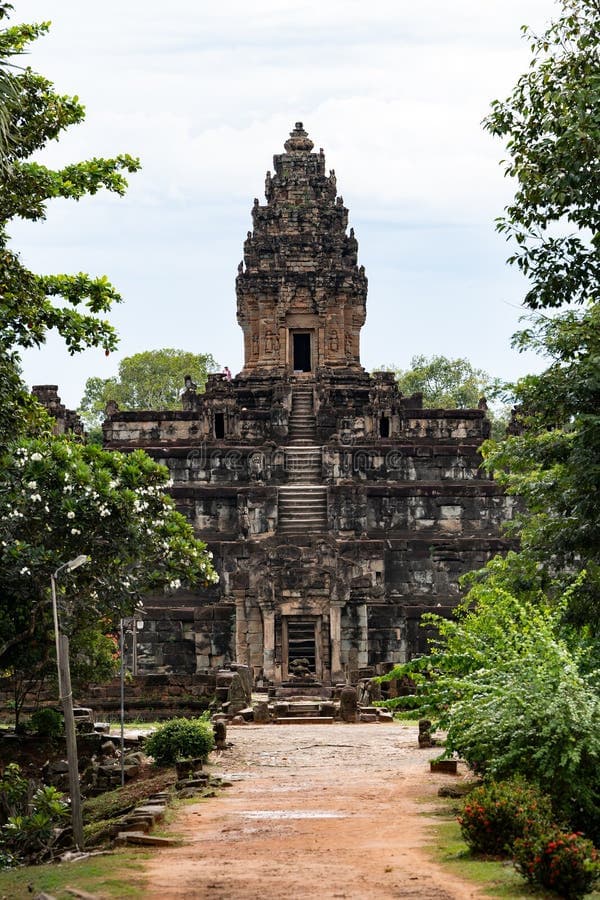
Spring is a photographer’s delight at Prasat Bakong. The combination of clear skies, soft lighting, and vibrant greenery creates stunning backdrops for both wide-angle and close-up shots. Early morning is the best time to capture the temple’s golden hues and minimal shadows, while late afternoon offers warm, diffused light ideal for portraits or architectural details.
For those seeking a more reflective experience, the temple’s quiet atmosphere encourages meditation and mindfulness. Sitting on the stone steps or walking the temple’s pathways allows visitors to absorb the peaceful energy of the site. Many travelers find this a moment of deep connection with Cambodia’s spiritual heritage.
Final Thoughts: A Springtime Escape to Ancient Cambodia
Prasat Bakong may not be as famous as Angkor Wat, but its historical significance and serene ambiance make it a must-visit for travelers seeking authenticity and tranquility. Spring’s favorable weather and blooming landscapes enhance the experience, offering a perfect blend of natural beauty and cultural depth. Whether you’re a history buff, a photographer, or simply someone looking for a peaceful escape, Prasat Bakong delivers a memorable journey into Cambodia’s past. Plan your visit during spring, and discover a temple that stands as a quiet testament to the enduring legacy of the Khmer Empire.