Dusty buses, Jesuit ruins, and the dry-season road. Plan your Chiquitano journey from San Ignacio de Velasco without the rain-soaked regrets.
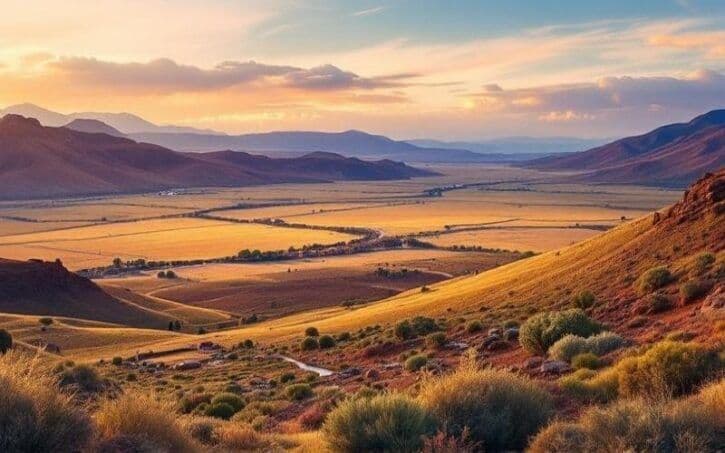
The bus from Santa Cruz de la Sierra does not arrive; it endures. It rattles along a stretch of highway that feels less like infrastructure and more like a suggestion, kicking up a fine, red dust that settles into your shoes, your coffee, and eventually, your soul. This is the price of admission to San Ignacio de Velasco, a town in the Chiquitanía region of Bolivia that refuses to be rushed. There are no trains here. There is no airport shuttle. There is only the road, the bus, and the slow, deliberate rhythm of life in the eastern lowlands. If you are looking for a seamless, app-based travel experience, look elsewhere. If you want to understand why people still drive four hours across the Chiquitano plains to visit a town that time seems to have politely ignored, keep reading.
The Road In: A Test of Patience
Getting to San Ignacio de Velasco is part of the itinerary. The town sits roughly 266 kilometers from Montero, but distance in Bolivia is measured in hours, not kilometers. The primary lifeline is the bus, operated by companies like Flota 131 Del Este and Trans Gusmar. These vehicles are workhorses, painted in bright colors that fade under the relentless sun, carrying everything from live chickens to construction materials to tourists like you. They lack Wi-Fi and airplane-style reclining seats, offering instead a raw, unfiltered view of the landscape.
The journey typically takes between three and four hours, depending on how many times the driver stops for a coffee break or to let a herd of cattle cross the highway. There is no railway line serving San Ignacio de Velasco, so the bus is your only option unless you have a private vehicle and a death wish for your suspension. The road conditions vary; during the dry season, they are manageable but dusty. During the wet season, they become a different story entirely—one involving mud, patience, and perhaps a tow truck. Stick to the dry months if you value your sanity.
The Mission Complex: Concrete and Memory
San Ignacio de Velasco was once a jewel of the Jesuit missions, a network of settlements designed to convert and civilize the indigenous populations of the Chiquitos region. The original church of the mission was destroyed by fire in 1948. In its place stands a modern structure completed in the 1970s, featuring a high tower that serves as a prominent landmark in the town.
It is easy to feel a pang of loss when you see the new church. The site remains part of the Conjunto Misional de San Ignacio de Velasco, a location recognized for its cultural significance. Today, the town center revolves around the Plaza Central, a lively space where locals gather to socialize, play cards, and watch the world go by. The plaza is anchored by the church, which casts a long shadow over the square. While it lacks the ornate wood carvings of its predecessor, it serves its purpose: a place of worship and a focal point in a town that has rebuilt itself from the ground up. Walk around the plaza, touch the cool stone of the church walls, and imagine the centuries of history that have been layered over this spot.
Where to Stay: Simple and Central
Accommodation in San Ignacio de Velasco is straightforward. You will not find five-star resorts with infinity pools or spa treatments. Instead, you will find family-run hotels that prioritize cleanliness and convenience. One notable option is Hotel Tierra Linda San Ignacio de Velasco, located within walking distance of the town center and the church. It is simple, functional, and perfectly positioned for exploring the town on foot.
Prices vary, but you can expect to pay a modest amount for a room with a fan, a private bathroom, and bedding that shows signs of wear. Breakfast is usually included, consisting of bread, cheese, and coffee—simple fare that fuels you for the day ahead. If you prefer something different, ask the locals for recommendations. They know the best spots, the quietest rooms, and the hosts who will treat you like family. The key is to manage expectations. You are here for the experience, not the amenities.
Food: The Regional Staples
While no specific dish is uniquely tied to San Ignacio de Velasco in the search results, the region is known for its hearty, rustic cuisine. You will eat sonso, a traditional maize porridge that is both filling and comforting. Chicharrón, fried pork rinds, are a staple, often served with mote (boiled corn kernels) and a side of avocado. These dishes offer delicious flavors that are deeply rooted in the local culture.
Eat at small, family-owned restaurants where the menus are written on chalkboards and the portions are generous. Ask the locals for their favorite spots; they will point you to places that serve food made from scratch, using ingredients sourced from nearby farms. The flavors are bold, the spices are warm, and the meals are meant to be shared. Dining in San Ignacio de Velasco focuses on connection, community, and the simple pleasure of a good meal.
Planning Your Visit
Plan your trip during the dry season, from May to October. This is the best time to travel, when the roads are passable and the skies are clear. The wet season brings heavy rains that can turn dirt roads into quagmires, making travel difficult and sometimes impossible. Book your bus tickets in advance, especially if you are traveling during peak seasons or holidays.
Carry cash. Bolivianos are the currency of choice, and ATMs are scarce. Small towns rely on cash transactions, so ensure you have enough for your meals, accommodation, and souvenirs. Exchange your money in Santa Cruz before you head out, where rates are better and options are more plentiful.
Be aware of local holidays, which can affect travel plans. Independence Day on August 6 is a major national holiday, and you can expect higher demand and crowded buses. If you are traveling then, book early and be prepared for delays. Other notable dates include the Day of the Indigenous Peoples and Ancestral Knowledge in October, and Christmas in December. These holidays bring families together, filling the town with visitors and creating a festive atmosphere. However, they also mean fewer available rooms and bus seats.
San Ignacio de Velasco is ideal for slow travelers, solo adventurers, and those who appreciate off-the-beaten-path destinations. It is not a place for luxury seekers or those who require constant connectivity. Spend at least two to three days here to explore the town, visit the mission complex, and soak in the local culture. Take your time. Let the dust settle. And enjoy the ride.
FAQ
Is it safe to travel to San Ignacio de Velasco? Yes, it is generally safe, but exercise normal precautions. Keep your valuables secure, avoid traveling alone at night, and be aware of your surroundings. The locals are friendly and welcoming, but petty theft can occur in any tourist destination.
What is the best way to get around town? Walking is the best way to explore San Ignacio de Velasco. The town is small, and most attractions are within walking distance of the Plaza Central. Taxis are available but may be scarce. Ask your hotel for recommendations if you need transportation.
Do I need a visa to enter Bolivia? Check the latest entry requirements before you travel, as visa policies vary by nationality. You will need a valid passport and proof of onward travel. Ensure your documentation is in order to avoid delays at the border.