Drive 20 km from the capital to a village of 1,900. No crowds, no noise. Just the road, the river valley, and the weight of stillness.
The road to Lenningen does not ask for your attention; it demands it. Twenty kilometers east of Luxembourg City, the asphalt narrows, the traffic thins, and the rhythm of your engine becomes the primary sound in the car. You do not rush to this destination. It is a point where movement stops. You are in the Canton of Remich, in the southeastern part of the Grand Duchy, where the population is fixed at roughly 1,900 souls. There is no surge of visitors here. The air is thin on expectation. When you arrive, you are simply present.
The Geography of Stillness
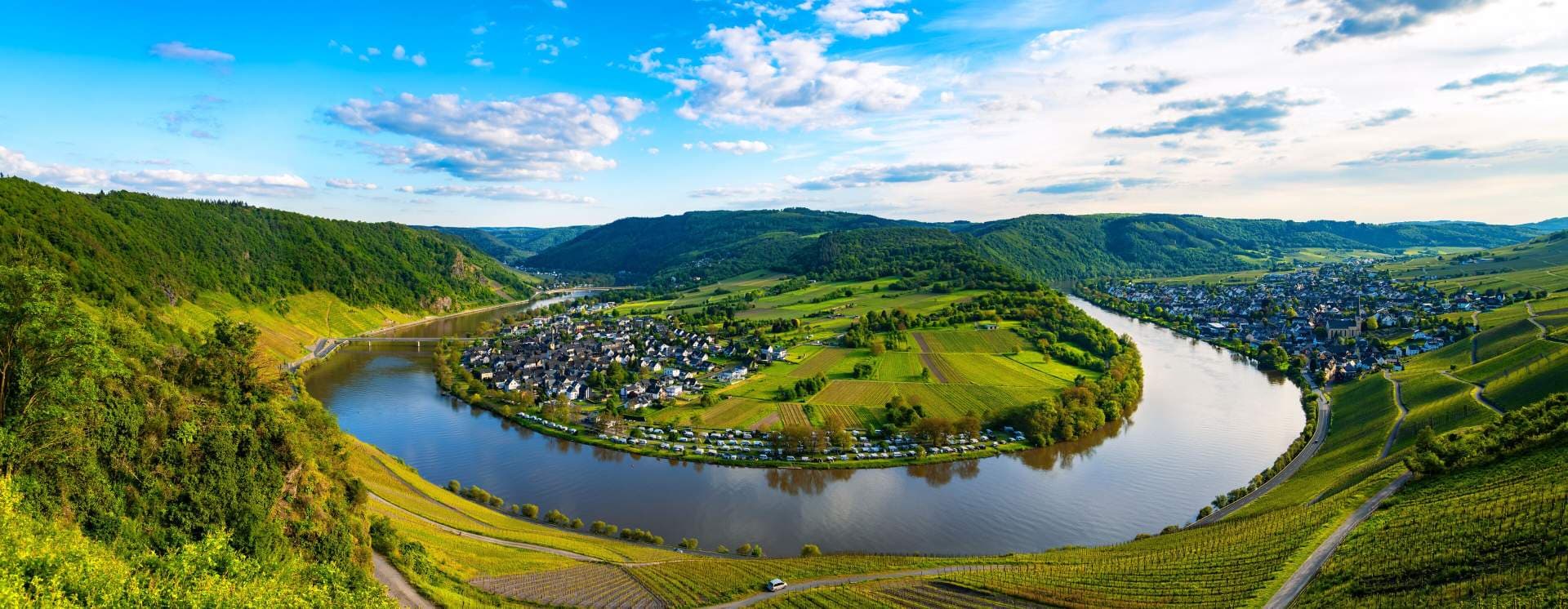
Lenningen is a commune composed of two distinct rural villages: Lenningen and Canach. Canach serves as the administrative center, a quiet hub where municipal affairs are handled with bureaucratic calm. The landscape here is defined by the proximity to the Moselle valley, a region known for its gentle slopes and vineyards, though the specific terrain of Lenningen remains low-key and unassuming.
There are no towering monuments to distract you. No grand plazas. The visual field is dominated by residential structures and green space. This lack of spectacle is the point. In a world that shouts for engagement, this place whispers. You park the car. The engine cuts. The silence that follows is heavy. It presses against the windows. You step out, and the ground is solid beneath your feet. The light in this part of Luxembourg is softer, filtered through the canopy of trees that line the local roads. It is a place that tests your ability to sit with nothing happening. Most people fail. They check their phones. They look for a sign, a marker, a proof of existence. Here, you must accept that existence is enough.
Moving Through the Void
Getting to Lenningen is a matter of choice, but the options are few. The most direct method is by car. From Luxembourg City, the drive takes approximately twenty minutes, depending on your pace and the state of the roads. The journey is a linear progression: leave the density, enter the suburbs, cross the threshold into the rural canton. The road itself is a rule. It dictates your speed. It forces you to slow down.
If you do not drive, you are dependent on public transit. Bus line 421 connects Lenningen to Luxembourg City. This is a specific route, a fixed path. You board, you ride, you alight. There is no improvisation. Alternatively, local rail services connect the area to the capital, though specific station names for immediate access are not widely documented in public itineraries. The train is slower, more deliberate. It moves through the countryside, offering a view of the passing fields and scattered houses.
For those who prefer the certainty of a private vehicle, taxi services are available, but they are an exception, not the norm. The reality is that Lenningen is designed for those who can manage their own movement. If you rely on others to carry you, you will feel the friction of the system. The bus waits for you. The road waits for you. But the village does not move to meet you. You must come to it.
The Rules of Lodging
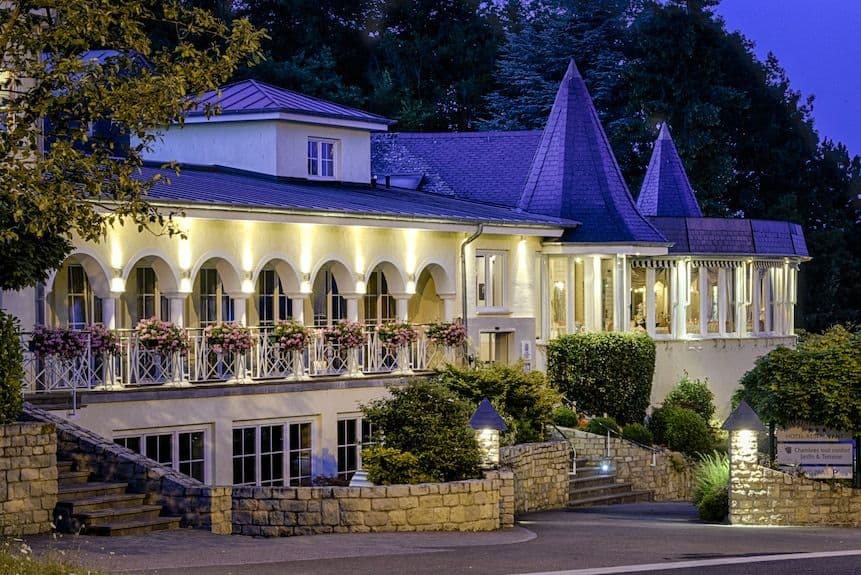
Accommodation in Lenningen is sparse. With a population of under 2,000, the infrastructure for mass tourism is nonexistent. You will not find a chain hotel with a lobby and a concierge. What exists is likely limited to guesthouses, private rentals, or small-scale accommodations that cater to locals or nearby commuters.
If you seek a place to sleep, you must look for private listings or small inns in the broader Remich district, which is the nearest significant town. The cost of staying in such a setting varies, but expect to pay a premium for privacy and isolation. Prices in rural Luxembourg tend to reflect the scarcity of supply. You are paying for the absence of noise. You are paying for the right to wake up without the hum of a city.
The experience of staying in Lenningen is solitary. It is a holding space for one or two people who need to reset. There are no group activities, no organized tours. You eat when you choose to eat. You sleep when you choose to sleep. The house is yours. The silence is yours. This is autonomy. If you need service, if you need attention, this is not the place. If you need to disappear, this is the only place that allows it.
Sustenance and Solitude
There are no named restaurants in Lenningen that define its culinary identity. The food here is functional. It is what you bring with you, or what you find in the nearest grocery store in Remich. The local diet reflects the broader Luxembourgish tradition: hearty, meat-based, and straightforward. Think of simple meals, prepared without flourish.
In the evening, the options narrow further. The darkness falls quickly, especially in the later months. The streets are empty. You do not walk for pleasure; you walk because you need to. The sensory input is minimal. The smell of damp earth after rain. The distant sound of a dog barking in a nearby yard. These are the details that matter. They are the proof that life continues, even in this quiet corner.
You may find a small café or bar in Remich, a short drive away, where you can sit and observe the local rhythm. But in Lenningen itself, sustenance is a private act. You cook. You eat. You clean. The cycle repeats. There is no escape from the basics. This is the rule of the place. It strips away the layers of modern convenience and leaves you with the core. If you can handle that, you will understand why some people come here. If you cannot, you will leave before the night ends.
Timing the Silence
The best time to visit Lenningen is when the city is loud. Summer, particularly August, offers long days and mild temperatures. The light lingers late into the evening, allowing you to explore the immediate surroundings without the pressure of darkness. The heat is manageable, and the air is fresh. This is the window for cycling or walking, if you choose to engage with the landscape physically.
Upcoming holidays will affect availability and atmosphere. All Saints’ Day, falling on November 1, 2026, marks a shift in the seasonal mood. The air turns colder. The leaves fall. The silence becomes deeper. Christmas Day, on December 25, 2026, brings a different kind of stillness—one marked by tradition and family. In a village of 1,900, the holiday is intimate. It is a pause.
New Year’s Day, January 1, 2027, offers a clean slate. The roads are empty. The world feels reset. This is the time for reflection. For those who seek clarity, the winter months provide it. The cold is sharp. The light is low. But the truth is clearer. If you are looking for a retreat, this is the season. If you are looking for activity, look elsewhere.
Frequently Asked Questions
Is Lenningen safe? Yes. With a population of 1,900, crime rates are typically low. The risk here is psychological. The isolation can feel oppressive if you are not accustomed to solitude.
How do I get there from Luxembourg City? Take bus line 421, or drive the approximately 20 km distance. Public transport schedules are limited, so plan your return carefully. Do not assume a last-minute option exists.
What should I pack? Comfortable clothing, a reliable phone charger, and patience. The lack of amenities means you must be self-sufficient. Bring books, food, and water. The village will not provide for you. It will only wait.