Drøbak keeps the lights on. While the rest of the country observes a cultural pause, this fjord town stays open.
The clock strikes noon on a Sunday in Oslo, and the city holds its breath. The silence is absolute, a mandated pause in the consumer cycle. But across the Drøbaksundet Strait, the rhythm is different. Here, the shutters are up. The cafes are steaming. Drøbak does not sleep on Sundays; it performs.
You will not find a shopping district in the way you are used to. Glass-fronted malls selling sanitized rebellion do not exist here. Department stores designed to confuse you with choices you don’t need are absent. Drøbak is a small town clinging to the narrowest point of the Oslofjord, and its commerce is tied to a single, defiant habit: staying open when the rest of the country closes.
If you come here expecting a retail therapy session, you will be disappointed. If you come here to watch the machinery of commerce grind to a halt, you are in the wrong place. You come to Drøbak to see what happens when a town refuses to obey the quiet.
The Sunday Town
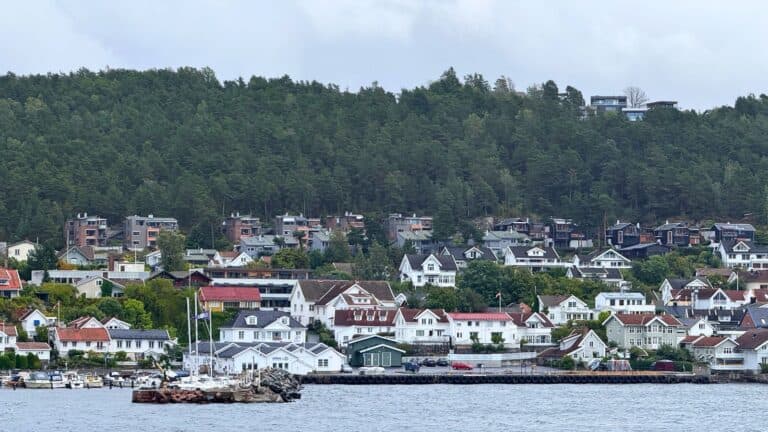
Norway has a relationship with silence. It is cultural, almost religious. On Sundays, commerce is supposed to stop. It is a day for church, for family, for doing nothing. Drøbak, however, has earned the nickname "The Sunday Town" by breaking that rule.
Why? Because the town survived on tourism long before tourism became a global industry. When the rest of the population was resting, the visitors were arriving. So, the boutiques stayed open. The cafes kept the coffee brewing. Today, it is less about survival and more about identity, but the effect is the same: Drøbak is one of the few places in Norway where you can actually buy something on a Sunday without feeling like you are trespassing on sacred ground.
The streets are narrow, lined with buildings that have seen better decades but retain a stubborn charm. The shops are small, independent, and cluttered with the kind of goods that mass-market stores ignore. You will find local crafts, woolens, and curiosities. Fast fashion is absent. The inventory moves slowly here. The owners know their customers. This is commerce with a face, not a barcode.
Julehuset: The Christmas Factory
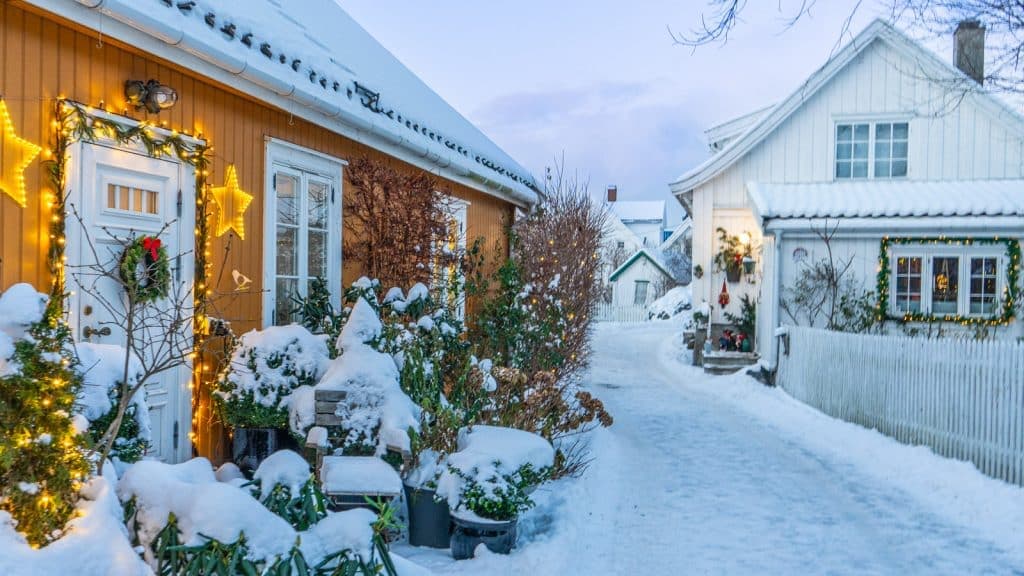
If Drøbak has a flagship store, it is Julehuset. It is Norway’s only all-year Christmas House and the official Christmas post office. It sounds like a gimmick, a tourist trap designed to milk the sentimental value of the holidays. It is. It is also a fascinating study in how a small town monetizes memory.
Julehuset operates as a stage set. Inside, the air smells of pine and old paper. The shelves are packed with ornaments, candles, and trinkets that promise a perfect, snow-covered Christmas. It is a fantasy sold in boxes. But the draw is the post office. You can stamp your letters with the official Christmas postmark, a ritual that transforms a simple letter into a keepsake.
People travel from across Europe to stand in line for this stamp. They are buying a feeling. They are buying the idea of a childhood they may never have had. As a travel writer, I am supposed to tell you this is kitsch. It is. But there is honesty in it. No one pretends this is serious art. It is pure, unadulterated nostalgia. And in a world that is increasingly digital and cold, there is something almost radical about paying money for a physical object that promises warmth.
The shop is open year-round, which is a logistical marvel given the seasonal nature of its product. In July, the snow is melted, the tourists are sunburned, and the Christmas decorations look like relics from a different season. But the stamp is still there. The ritual continues.
The Fjord View
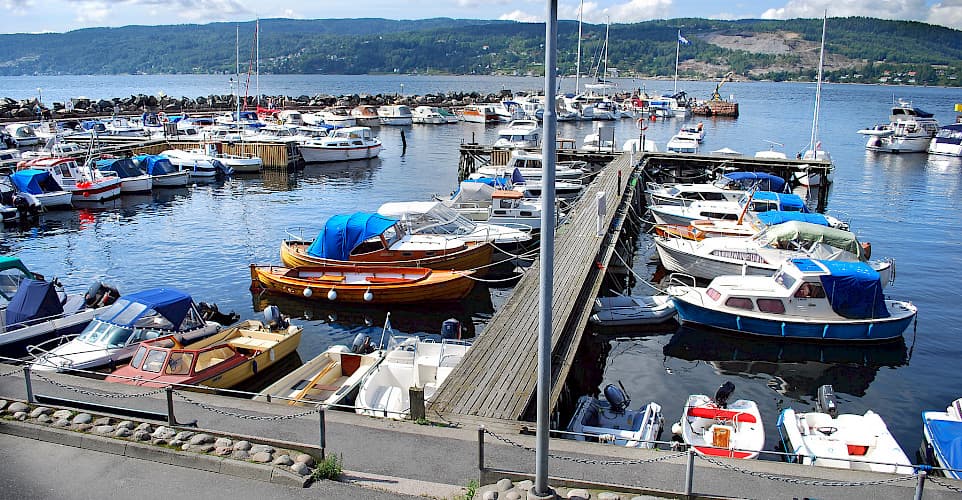
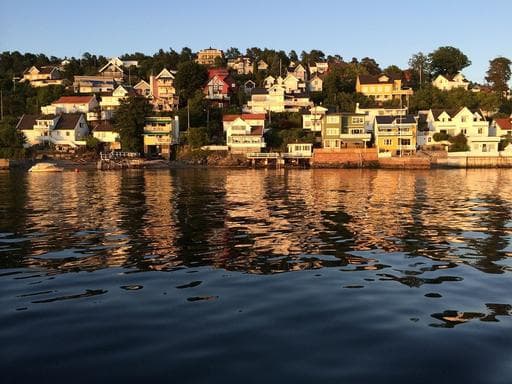
Drøbak is defined by its geography. It sits at the narrowest point of the Oslofjord, in the Drøbaksundet Strait. This location serves as the town’s lifeline. The water here is deep and strategic, a choke point for maritime traffic.
When you walk through the town, you are always aware of the water. It is loud, with the constant hum of ferries and freighters passing through. The view from the harbor is stark: industrial ships cutting through blue water, framed by steep hills. The postcard-perfect fjord view you see in brochures is absent. The reality is working-class, functional, and real.
This proximity to the strait influences the town’s character. The buildings are built to withstand the wind and salt. The streets are practical, not picturesque. There is no attempt to hide the industrial reality of the location. If anything, the town leans into it. The ferries that bring tourists also bring supplies. The line between commerce and survival is thin here.
Getting There
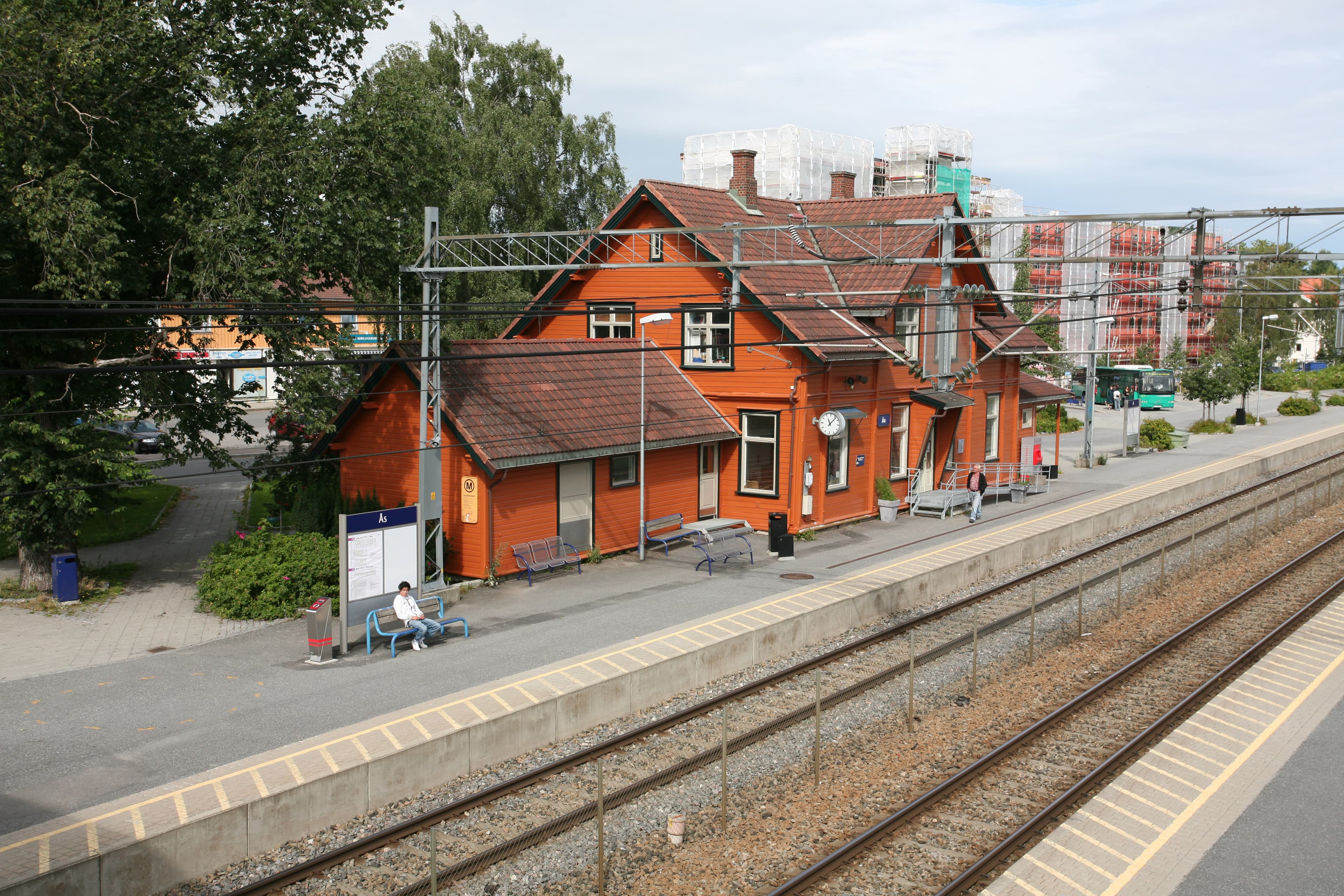
Getting to Drøbak is simple, but you must respect the schedule. The town is connected to Oslo by train, part of the Oslo Commuter Rail network. The journey takes about forty minutes, a quick escape from the capital’s chaos.
There is no specific fare data available for 2026, but you should expect to pay standard regional rail prices. Buy your ticket in advance if you can. The trains are frequent, but not instantaneous. You cannot hop on and off at a moment’s notice. This is not a city center with a metro system. It is a commuter line, designed for people who live here and work in Oslo, or vice versa.
Once you arrive, the town is small enough to walk. You do not need a car. Parking is limited and expensive. The best way to explore Drøbak is on foot. The streets are short, and the distances are manageable. You can walk from the station to Julehuset in ten minutes. You can walk from Julehuset to the harbor in five.
Practicalities
When to go: Sundays are the only day that matters for shopping. If you come on a Tuesday, you will find a ghost town. The boutiques are closed. The cafes are quiet. The town is resting. If you want to shop, come on a Sunday. If you want silence, come on a Monday.
What to buy: Luxury goods are absent. Drøbak is not a place for designer labels. It is a place for local crafts, woolens, and Christmas memorabilia. If you are looking for something specific, call ahead. The inventory is small, and the stock turns slowly.
Money: Norway is cashless. Do not bother with kroner notes. Your card will work everywhere. Even the small kiosks accept contactless payments.
Who it is for: This is not a destination for mass tourism. It is for the solo traveler who wants to escape the crowds. It is for the couple who wants a quiet day out. It is for the person who is tired of the hustle and wants to see how a small town survives in the shadow of a capital.
Drøbak does not offer much. It offers a Sunday. It offers a view. It offers a stamp. Is that enough? For some, it is. For others, it is nothing. But it is honest. And in a world of curated experiences, honesty is rare.