The mineral-rich waters of Đam Rong do not whisper; they bubble with an earthy, sulfurous intensity that signals genuine geothermal activity. Located in the rugged highlands of Lâm Đồng Province, Vietnam, this district offers a stark contrast to the polished luxury spas of Hanoi or Ho Chi Minh City. Here, wellness is not about gold-leaf facials or champagne massages. It is about submerging in natural hot springs surrounded by dense pine forests, breathing air cooled by elevation, and allowing the mineral content to work on stiff joints. For travelers seeking authentic therapeutic experiences in spring, Đam Rong provides a quiet, restorative escape roughly 70 to 120 kilometers from the tourist hub of Da Lat.
The Geothermal Heart: Da Long Hot Springs
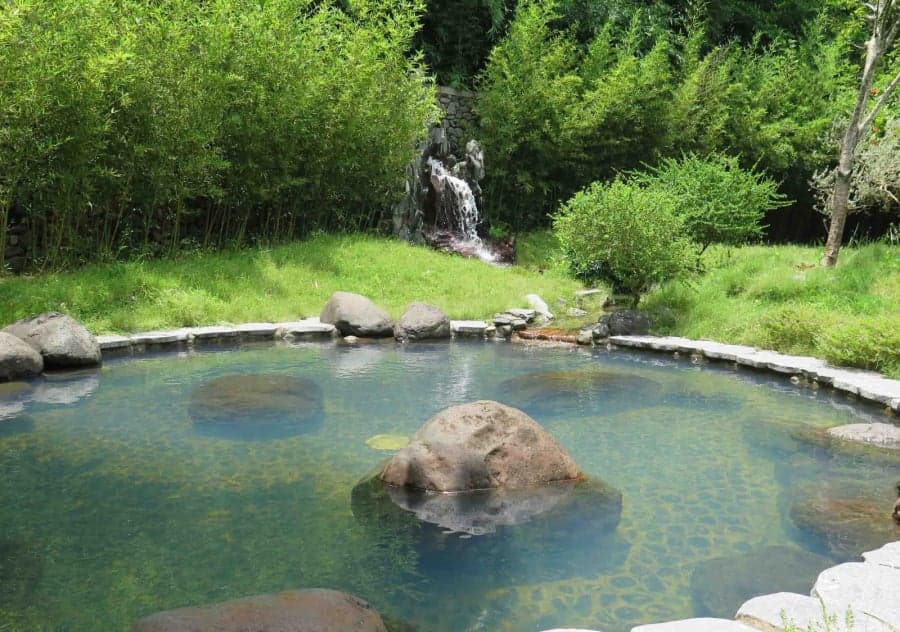
The primary draw for wellness seekers in this district is the Da Long Hot Springs (Suối Nước Nóng Đam Rong). Situated approximately 7 kilometers from the center of Đam Rong commune, these springs are renowned for their high mineral content, particularly sulfur and calcium, which are traditionally believed to aid in treating arthritis, rheumatism, and skin conditions. The springs are not a manicured resort complex but rather a series of natural pools and flowing channels carved into the landscape.
Visitors typically arrive in the late morning or early afternoon to avoid the cooler spring breezes. The water temperature hovers around 40–45°C (104–113°F), hot enough to induce immediate muscle relaxation but manageable for extended soaking. The surrounding area is rugged, with red earth and scattered vegetation typical of the Central Highlands. There are no grand facilities here; instead, you will find simple changing huts and bamboo seating areas. This lack of commercialization is precisely its appeal. The sound of water flowing over rocks and the scent of wet earth and sulfur create a sensory environment that demands silence and stillness.
The Legend of Daana: A Forest Sanctuary
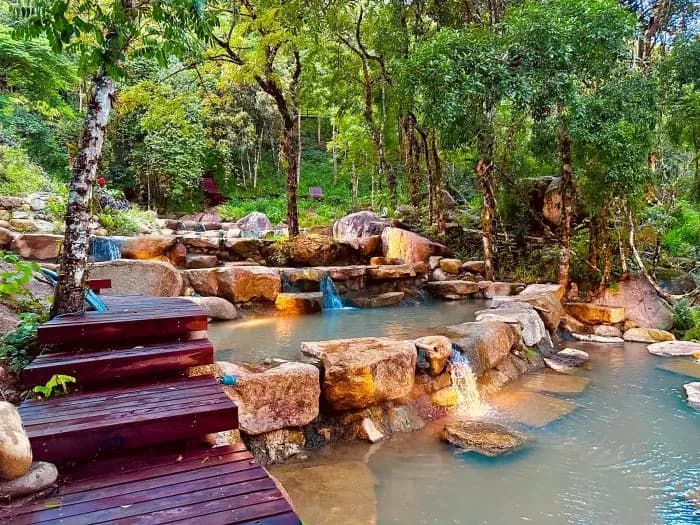
Further into the dense greenery lies the Daana Hot Mineral Spring, a site steeped in local legend and natural seclusion. Unlike the more accessible Da Long springs, Daana is often described as a "legendary escape" deep within the forest. The journey to Daana involves a trek through lush, shaded paths, reinforcing the feeling of leaving the modern world behind. The water here is similarly mineral-rich, but the atmosphere is quieter, almost meditative.
The name "Daana" evokes a sense of mystique among local communities, often associated with protective spirits of the forest. While the infrastructure remains basic, the experience is profound. Travelers often report a sense of mental clarity after soaking in these pools, attributed to the combination of warm water and the negative ions produced by the forest environment. Spring is an ideal time to visit Daana, as the rains have subsided, making the forest paths muddy but passable, and the air is crisp. The light filtering through the canopy creates a dappled, ethereal quality that enhances the spa-like feeling of the location.
Beyond the Water: Forest Baths and Fresh Air
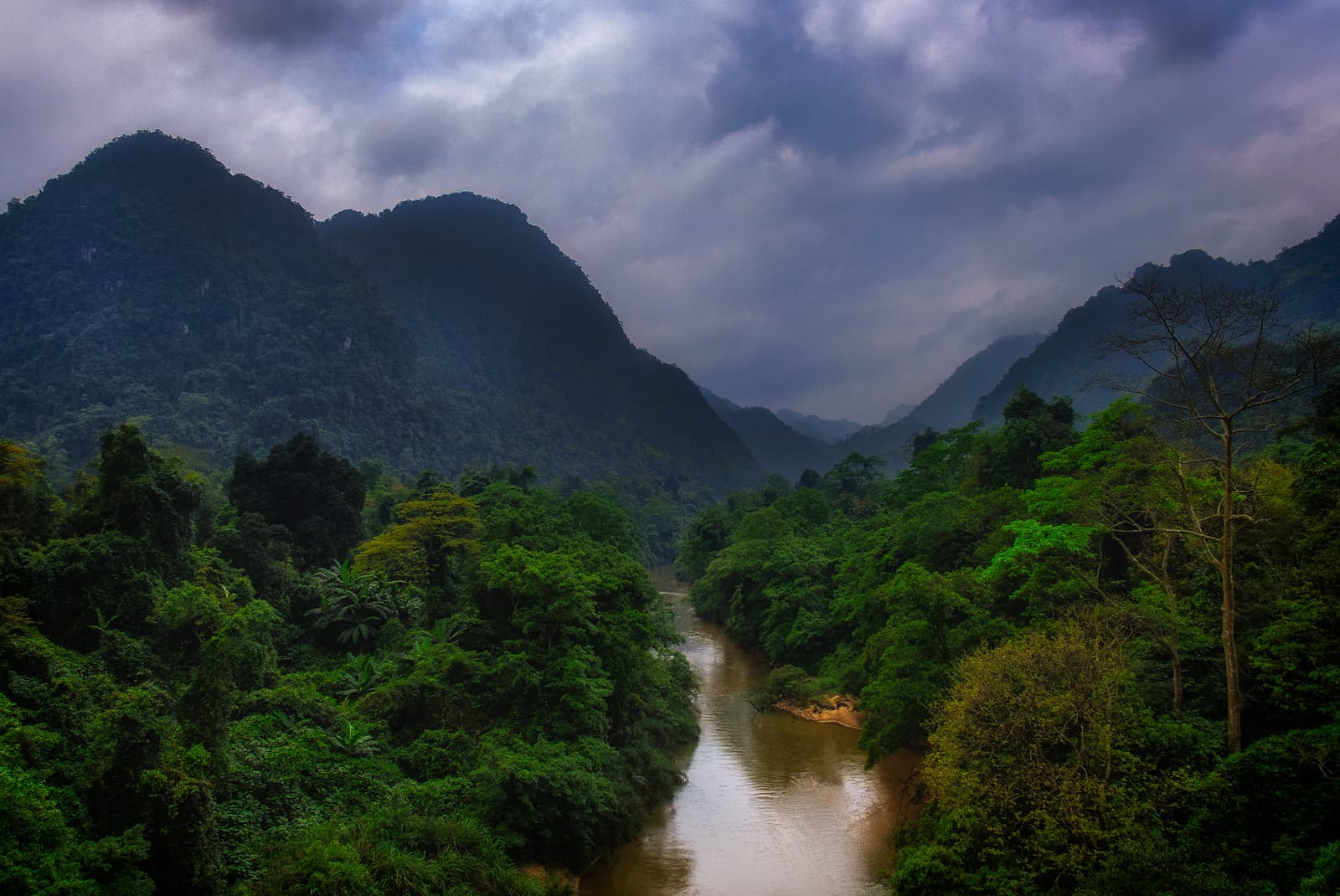
Wellness in Đam Rong extends beyond hydrotherapy. The district’s elevation, ranging from 1,000 to 1,500 meters above sea level, ensures that the air is consistently cool and clean, even when temperatures rise in lower regions of Vietnam. Spring brings a renewal of greenery, with pine forests and deciduous trees shedding their winter dryness. Walking trails around the Đam Rong stream offer opportunities for "forest bathing" (Shinrin-yoku), a Japanese practice of immersing oneself in nature to reduce stress.
The Đam Rong stream itself is a vital part of the wellness landscape. Its clear, cold waters provide a refreshing contrast to the hot springs. Many locals and visitors follow a routine of alternating between hot mineral baths and cold stream dips, a practice known as contrast therapy, which is believed to improve circulation and boost the immune system. The sound of the stream, combined with the chirping of birds and the rustling of leaves, provides a natural soundscape that aids in meditation and mental decompression.
Accommodation: Simple Stays in the Highlands
Accommodation options in Đam Rong are modest, reflecting the district’s rural character. There are no five-star hotels or international chains. Instead, travelers will find homestays, small guesthouses, and basic lodges operated by local families. These establishments typically offer clean, simple rooms with essential amenities. The focus is on comfort and proximity to nature rather than luxury.
Prices are generally affordable, ranging from $10 to $25 per night, depending on the level of comfort. Many homestays provide home-cooked meals featuring local ingredients such as highland coffee, sticky rice, and fresh vegetables from nearby farms. Staying in a homestay allows for cultural exchange and a deeper understanding of the local way of life. The hospitality is warm and genuine, with hosts often sharing stories about the hot springs and the history of the area. For those seeking more privacy, a few small resorts offer private rooms with views of the surrounding hills, providing a quiet retreat after a day of soaking and hiking.
Getting There and Practical Tips
Reaching Đam Rong requires a degree of planning, as it is not a direct destination for international flights. Most travelers fly into Lien Khuong Airport (DLI) in Da Lat, then hire a private car or join a tour to drive the 70–120 kilometers to Đam Rong. The journey takes approximately 2 to 3 hours, depending on road conditions. The roads are mountainous and can be winding, so those prone to motion sickness should prepare accordingly.
Once in Đam Rong, local transportation is limited. Hiring a motorbike or a local driver is the best way to explore the different hot springs and natural attractions. It is advisable to bring cash, as credit cards are rarely accepted in this rural area. Spring weather can be unpredictable, with occasional rain showers, so packing waterproof gear and warm clothing is essential. The humidity is lower than in coastal cities, but the temperature can drop significantly in the evenings.
For wellness purposes, it is recommended to bring your own swimwear and a towel, as rentals may not always be available. Hydration is key, so carry plenty of water. Respect local customs and the natural environment by avoiding littering and following guidelines at the hot springs. The sulfur content in the water can stain clothing and jewelry, so it is best to leave valuables behind.
Why Choose Đam Rong for Wellness?
In an era where wellness tourism often becomes commercialized and superficial, Đam Rong offers a return to basics. The experience is raw, authentic, and deeply connected to the natural environment. The hot springs are not just a leisure activity but a therapeutic resource that has been used by local communities for generations. The combination of mineral-rich waters, clean air, and forest tranquility provides a holistic approach to health and relaxation.
For travelers who value substance over style, Đam Rong is a compelling destination. It is not a place for luxury shopping or nightlife, but for those seeking to recharge their bodies and minds, it offers an unparalleled experience. The simplicity of the accommodations, the rugged beauty of the landscape, and the genuine hospitality of the locals create a memorable journey. In spring, the district comes alive with new growth and clearer skies, making it the perfect time to immerse yourself in the healing waters of the Central Highlands.