In spring 2026, the air in Sumbawanga, Tanzania, carries the faint scent of roasting maize and grilled fish from Lake Rukwa, mingling with the earthy aroma of fresh spices sold at the central market. This quiet town in the Rukwa Region isn’t a typical tourist hotspot, but its street food culture offers an authentic taste of rural Tanzania—one that rewards travelers willing to step off the beaten path. Unlike the crowded bazaars of Dar es Salaam or Zanzibar, Sumbawanga’s culinary scene unfolds slowly, with vendors preparing meals over charcoal grills and families sharing simple meals under the shade of acacia trees. For travelers seeking genuine flavor and community connection, this is where food becomes a conversation.
The Heartbeat: Sumbawanga Central Market (Soko Kuu)
Sumbawanga’s street food begins at Soko Kuu, the town’s main market. Located near the intersection of Mwenge Road and Nyamagana Street, this open-air hub thrives every morning until late afternoon. Vendors line narrow alleys with baskets of bright red tomatoes, bundles of green bananas, and trays of smoked fish from nearby lakes. The market’s rhythm is dictated by the call to prayer from the mosque on the northern edge and the occasional honk of a passing minibus.
Here, you’ll find street food not as a spectacle, but as daily sustenance. Look for small stalls selling ugali—a stiff porridge made from maize flour—served with pilau (spiced rice) or ndizi mchicha (fried plantains). For a more adventurous bite, try nyama choma, grilled goat or beef marinated in salt and lemon juice, often wrapped in banana leaves. Prices hover around 2,000–5,000 Tanzanian shillings ($0.80–$2) per serving, depending on portion size and protein type.

Must-Try Local Dishes Beyond the Market
While Soko Kuu is central, don’t miss the quieter corners where home cooks sell their specialties. Along Mwenge Road near the old railway station, a few women serve sambusa—triangular pastries filled with spiced meat or beans—still warm from the oven. These are best enjoyed with a cup of chai (tea) sweetened with local honey.
Another seasonal favorite in spring is matoke, steamed green bananas served with peanut sauce and boiled greens. It’s typically found near the agricultural cooperative building on Simba Street. For seafood lovers, head to the small lakeside vendors along the road to Lake Rukwa. They offer samaki wa kisima (lake fish), usually tilapia or catfish, grilled over open flames and seasoned simply with salt and chili.

Safety and Hygiene: Eating Street Food Like a Local
Eating street food in Sumbawanga is generally safe if you follow a few practical tips. First, observe vendor practices: choose stalls where food is cooked fresh in front of you and utensils are visibly clean. Avoid water-based drinks unless bottled or boiled; opt for bottled soda or freshly squeezed fruit juice (like mango or passionfruit) from trusted vendors.
Many locals eat with their hands, using pieces of flatbread or banana leaf as napkins. If you’re uncomfortable with this, ask for a spoon or fork—it’s common practice to provide cutlery upon request. Also, stick to vendors who use gloves or tongs when handling food.
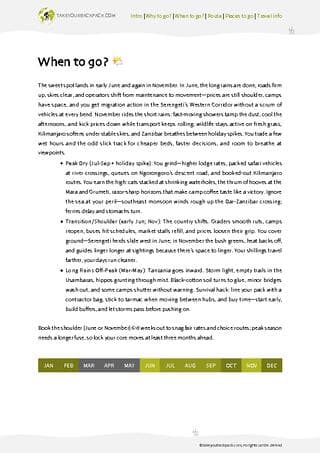
During spring (October–December in Tanzania’s southern hemisphere calendar), temperatures range from 18°C to 30°C (64°F–86°F), which can accelerate spoilage. Eat only what’s cooked immediately and avoid leaving food exposed for long periods.

The Cultural Context: Food as Community
Street food in Sumbawanga isn’t just about calories—it’s social currency. You’ll often see groups of elders gathered around a shared plate of ugali, discussing politics or farming yields. Young couples sip tea at roadside kiosks while children play nearby. This communal spirit is especially evident during weekends when families visit from surrounding villages.
One unique tradition is kachumbari, a fresh salad made with tomatoes, onions, and chili peppers, often served alongside grilled meats. It’s more than a side dish; it symbolizes freshness and balance in Tanzanian cuisine.
Avoiding cultural faux pas is simple: always say “Asante” (thank you) when receiving food, and never refuse an offer of tea or snacks—it’s considered rude. If you’re invited to someone’s home for a meal, bring a small gift like fruit or sweets.
Practical Tips for Travelers in Spring 2026
Spring in Sumbawanga brings longer days and mild weather—ideal for exploring markets and trying street food without discomfort. However, plan visits early morning (7–9 AM) or late afternoon (4–6 PM) to avoid midday heat. Wear lightweight clothing and carry sunscreen.
Transportation options are limited; most visitors arrive by minibus from Mbeya or Kigoma. Once in town, walking is safest and most rewarding for discovering hidden food spots. A local guide can be hired for around 15,000 TSh ($6) per day.
Currency exchange is available at banks near the post office on Mwenge Road. Carry small denominations—most street vendors won’t accept large bills.
Finally, respect local customs: avoid eating during Ramadan if you’re not Muslim, and dress modestly when visiting markets or homes.

Sumbawanga may lack the polished veneer of coastal resorts or safari lodges, but its street food tells a deeper story—one of resilience, simplicity, and shared humanity. In spring 2026, let your taste buds lead you through its markets, where every bite connects you to a community that values nourishment not just as fuel, but as fellowship.