Walk the brown coal trails of Ribolla, Tuscany. Stay on the land, eat from the soil, and treat the Colline Metallifere as a closed loop.
The ground in Ribolla is not just soil. It is compressed history. Brown coal seams run beneath the village of Ribolla, in the province of Grosseto, Tuscany. Miners pulled lignite from these veins starting around 1835, following the river Raspollino. The earth here remembers the weight of that extraction. It also remembers the shock of the 1997 and 1998 earthquakes that cracked the foundations of the Colline Metallifere (Metallic Hills) region. Those tremors did not just shake buildings. They forced a reckoning. The area was designated a national park, the Parco Nazionale delle Colline Metallifere, to stabilize the land and the communities living on it. You are walking on a scar that has learned to heal. Sustainable tourism here is not a marketing add-on. It is the only way to keep the ground from shaking again.
Walk the Mining Tunnels
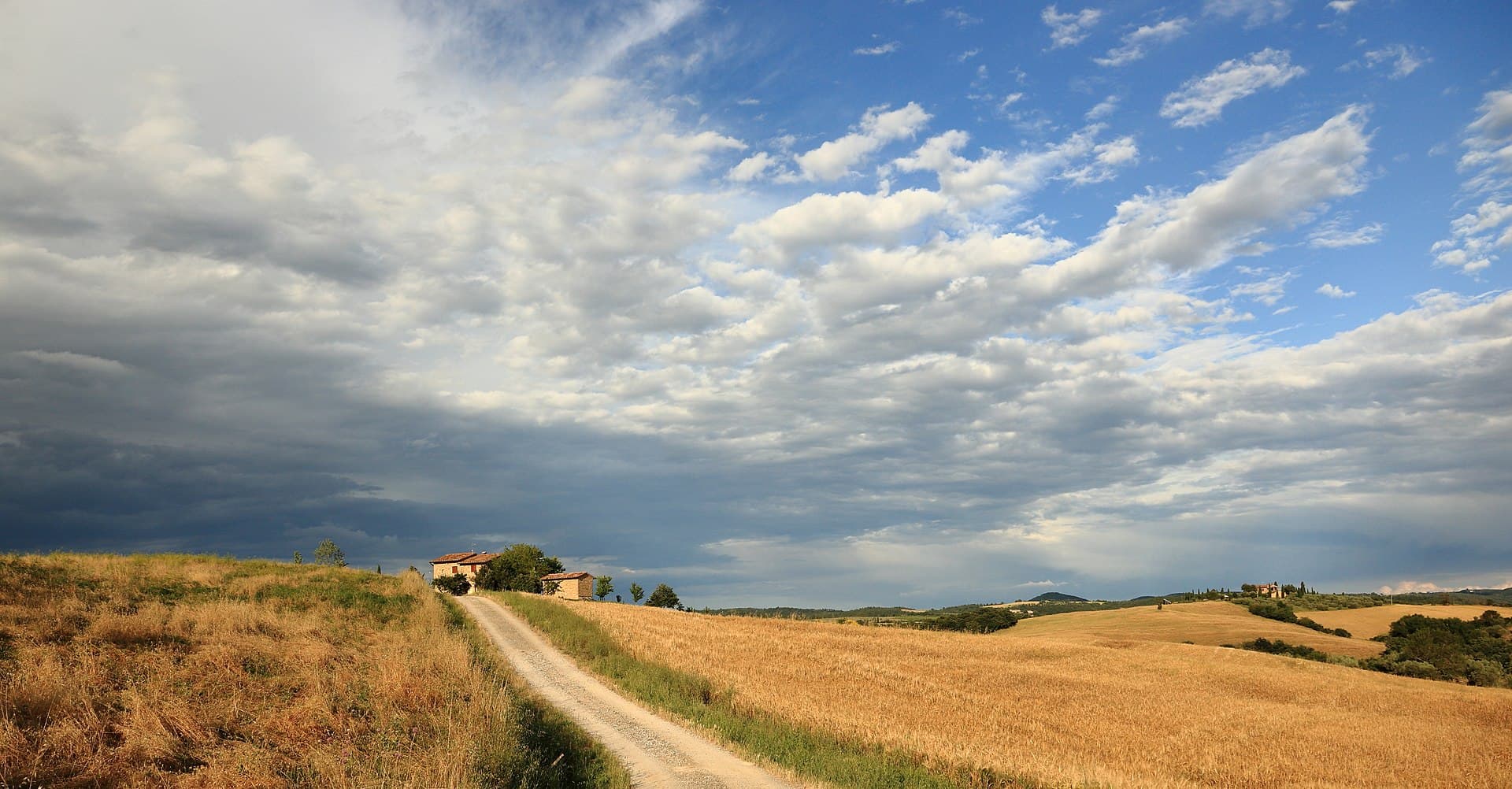
You do not come to Ribolla to sit in a cafe. You come to see what lies beneath. The village is part of a broader archaeological-mining park system in Tuscany. The landscape is dotted with the remnants of industrial extraction. Old tunnels, ventilation shafts, and spoil heaps mark the terrain. These are not ruins in the romantic sense. They are evidence of labor.
Take the mining walk that starts near Podere Santa Pia. This route traces the history of the brown coal deposits. You will see the river Raspollino, which guided the early miners. The path is uneven. The vegetation is reclaiming the industrial zones. Ferns and scrub brush grow over rusted metal. This is the visual definition of sustainability. Nature does not negotiate. It takes back what is left behind.
The Parco Nazionale delle Colline Metallifere manages these sites. They adhere to the European Charter for Sustainable Tourism. This means the trails are maintained to prevent erosion. The signage is clear. You stay on the path. You do not dig for souvenirs. You do not disturb the wildlife that has moved into the abandoned infrastructure. The walk is a lesson in restraint. You are a guest in a landscape that has already been exploited once. Do not add to the damage.
Where to Stay
Hotels are not the answer here. The answer is agriturismo. These are working farms that rent out rooms. They keep the land active. They keep the local economy circular.
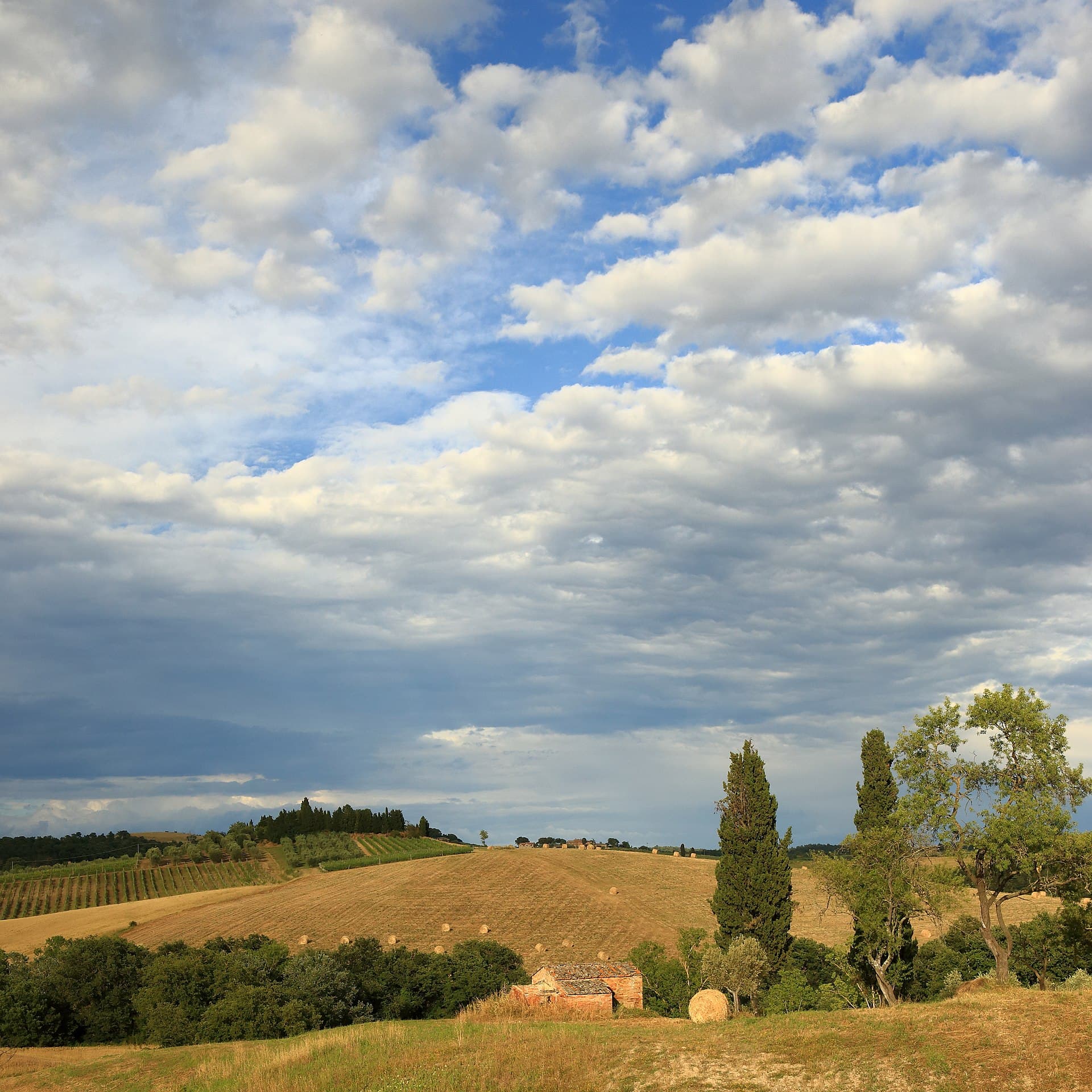
Agriturismo Le Venelle sits on Via della Collacchia, in the Podere Venelle area. It is roughly 0.9 miles from the village center. The property is a villa with a garden and barbecue facilities. The view is not a postcard of cypress trees. It is the raw Tuscan countryside. You see the rolling hills of the Maremma region. You see the land that miners once stripped. The rooms are functional. They offer self-catering options. This is important. You cook with what you buy locally. You do not rely on imported supply chains. The agriturismo is tied to the earth. It operates within the means of the land.
Agriturismo Podere Mulinaccio is another option. It is located in Ribolla, rated highly by guests for its position. It sits on a hill. The aerial view shows a house integrated into the farm structure. It is not a standalone luxury object. It is part of the agricultural fabric. Staying here supports the farmers who keep the Colline Metallifere green. You pay for the room. You pay for the land. The money stays in the community.
Prices for agriturismo in this area typically range from 60 to 100 euros per night, depending on the season and room size. Book directly when possible. Cut out the middlemen. Support the host.
Eating Without Extracting
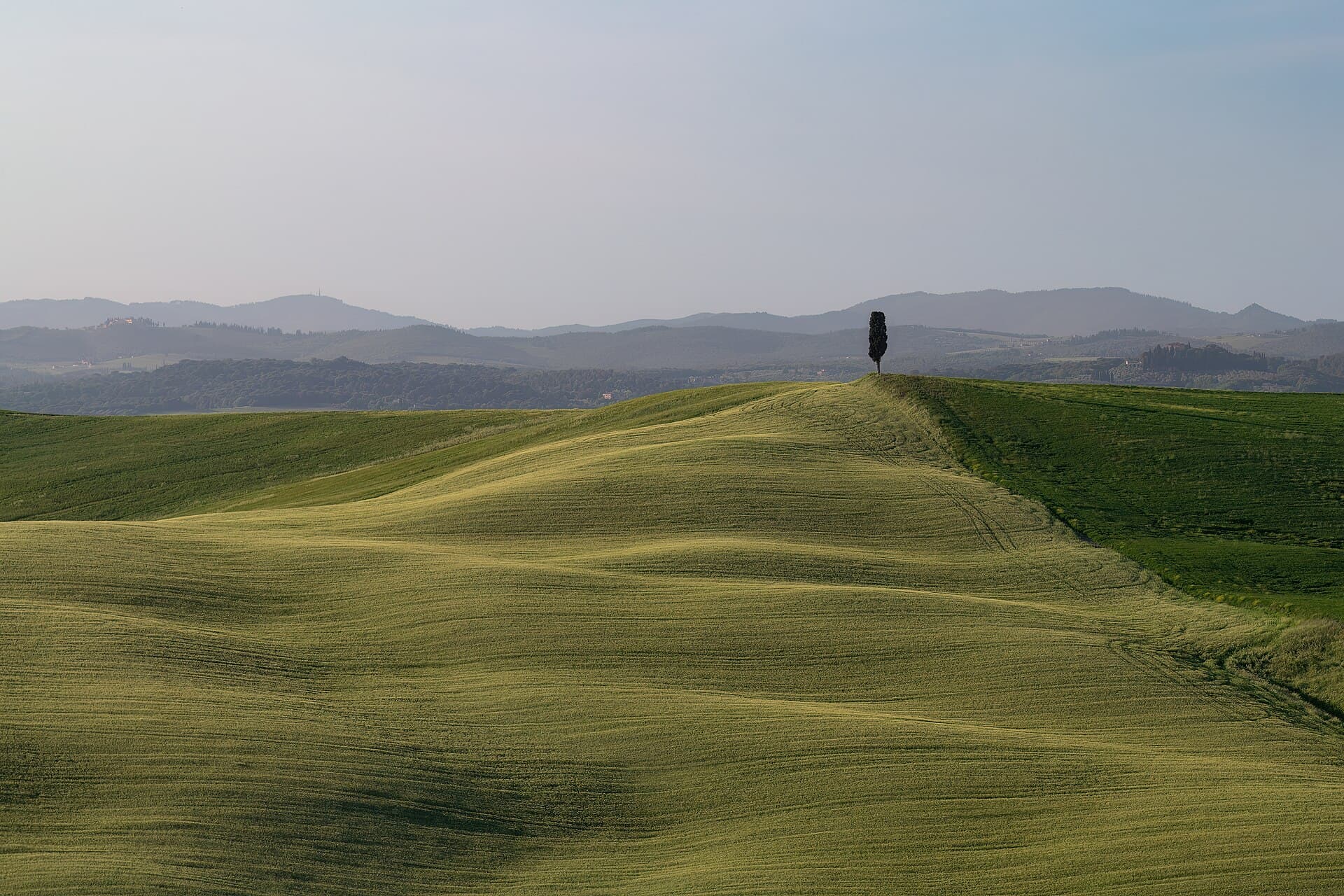
Food is energy. In Ribolla, that energy should come from the immediate vicinity. Do not order dishes that require ingredients flown in from overseas. Eat what the soil produces.
Agriturismo Le Venelle offers self-catering, which puts the responsibility on you. Buy from local markets in Grosseto or nearby towns. Look for Maremma pork. Look for local olive oil. The Colline Metallifere region is known for its wild boar and game, though ethical hunting practices are a separate conversation. Focus on the vegetables. Fava beans, potatoes, and leafy greens grow well in this soil.
Podere Mulinaccio may offer meals prepared on-site. Ask for dishes that highlight local ingredients. A simple pasta with wild herbs. A stew made with root vegetables. The flavor is earthy. It tastes like the place. This is not gourmet dining in the urban sense. It is honest food. It requires no pretense.
Avoid the tourist traps in larger towns. They serve the same menu as every other restaurant in Italy. In Ribolla, you have the chance to eat differently. You can trace the ingredient back to the field. You can see the farm. You can meet the farmer. This is the core of sustainable tourism. It is a closed loop. The food goes from the soil to your plate. The waste goes back to the soil.
Practical Detail
Getting to Ribolla requires effort. There is no high-speed train station in the village. The nearest major transport hub is Grosseto. From there, you need a car or a taxi. The roads are narrow. They wind through the hills. Drive slowly. The landscape is fragile.
Money is euros. Cash is king in small agriturismos and local markets. Credit cards are accepted, but not always. Bring small bills.
The best time to walk the mining trails is in the spring or autumn. The summer heat in the Maremma can be intense. The winter rains make the paths muddy. Spring offers mild temperatures and green vegetation. You can see the contrast between the natural growth and the industrial scars.
Book accommodation in advance. Ribolla is small. There are limited beds. If you wait until the last minute, you may not find a place. This is not a mass tourism destination. It does not have the infrastructure to handle sudden crowds. Plan ahead. Respect the limits of the place.
Local Angle
The culture of Ribolla is shaped by its history of mining and agriculture. The people here are practical. They value hard work. They do not have patience for performative tourism. Do not dress up for the village. Dress for the weather. Wear sturdy shoes for the walks.
The 1997 and 1998 earthquakes left a mark on the community. Many buildings were damaged. The reconstruction was slow. The designation of the national park helped stabilize the economy. Tourism is now a key part of the recovery. But it must be done right. The community does not want to be a theme park. They want to be a living place.
Learn a few words of Italian. It is not a requirement. It is a sign of respect. Ask questions. Listen to the answers. The locals have stories about the mines. They have stories about the earthquakes. They have stories about the land. These stories are not for sale. They are shared. Treat them with care.
When to Go
The Festa della Repubblica falls on June 2, 2026. This is a national holiday in Italy. Expect higher demand for accommodation. Prices may surge. Crowds will be thicker in nearby towns. If you plan to visit around this date, book early. Secure your agriturismo room weeks in advance.
The Assunzione della Vergine is on August 15, 2026. This is the peak of summer. The heat can be oppressive. The mining walks are less comfortable in the midday sun. Plan your hikes for the early morning or late afternoon. Stay hydrated.
Tutti i Santi is on November 1, 2026. The weather is cooler. The vegetation is turning brown. The landscape is stark. This is a good time for reflection. The mining ruins stand out against the bare hills. The crowds are thin. The prices are lower.
Ribolla is for slow travelers. It is for people who want to understand a place. It is not for party seekers. It is not for thrill seekers. It is for people who want to walk on the earth and feel its weight. Stay for three to four days. This gives you time to explore the trails. It gives you time to settle into the rhythm of the village. It gives you time to leave without taking anything but memories.
FAQ
Do I need a car to visit Ribolla? Yes. Public transport is limited. A car gives you the flexibility to explore the mining trails and visit nearby markets. Drive carefully. The roads are narrow and winding.
What should I pack for the mining walks? Sturdy hiking shoes are essential. The terrain is uneven. Bring water. The trails may not have frequent rest stops. Wear layers. The weather can change quickly in the hills.
Is Ribolla safe for solo travelers? Yes. It is a quiet village. The community is close-knit. Crime is low. Standard precautions apply. Do not wander off the marked trails. Respect private property.
Sustainable tourism in Ribolla is a choice. It is a commitment to do less harm. It is a recognition that the land has limits. You are not the owner of this place. You are a visitor. Act like one.