Waajid offers a raw, unfiltered look at life in Bakool. Travel here means prioritizing safety, respecting local resilience, and supporting the community directly.
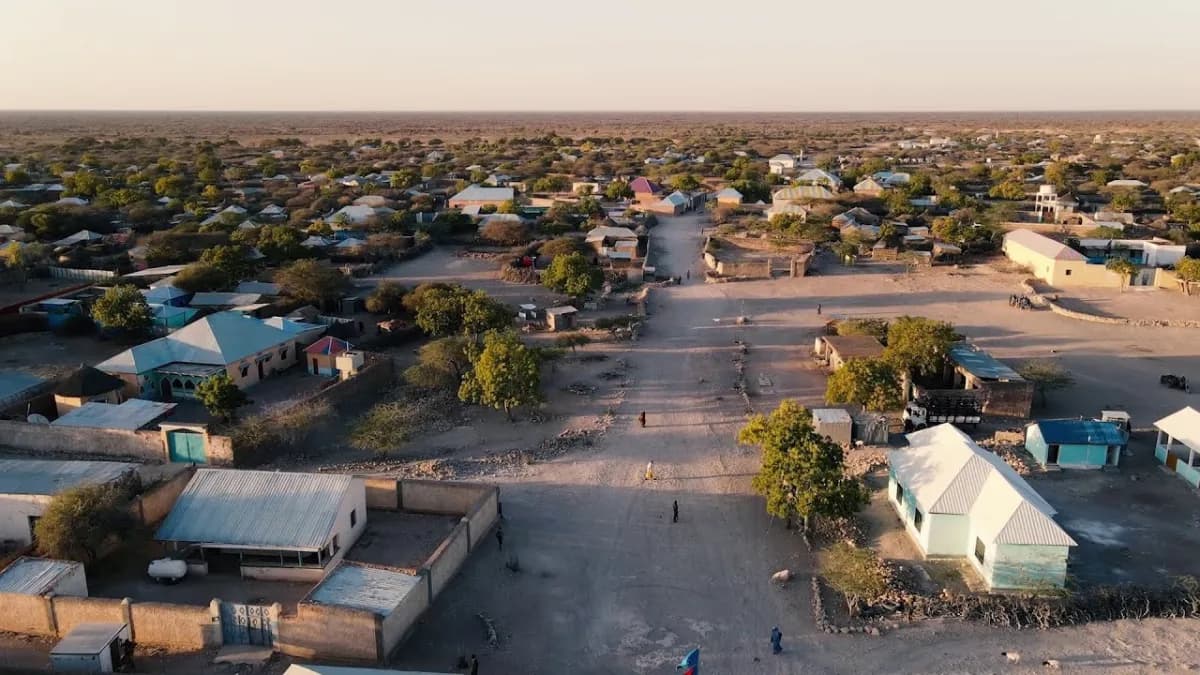
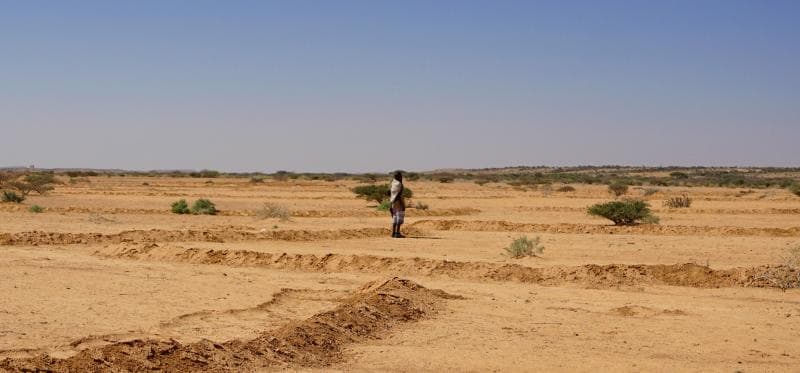
Waajid serves as a district capital in the Bakool region of Somalia, sitting at a strategic crossroads approximately 302 kilometers northwest of Mogadishu. For the international traveler, visiting Waajid focuses on witnessing the quiet persistence of a community rebuilding after years of conflict. The town, captured from Al-Shabaab in 2014, functions primarily as a logistical hub for overland routes connecting to the Ethiopian border. Grand monuments and curated tourist trails are absent from the landscape. Instead, the environment is defined by dust, resilience, and the slow rhythm of daily survival.
The Reality of the Road
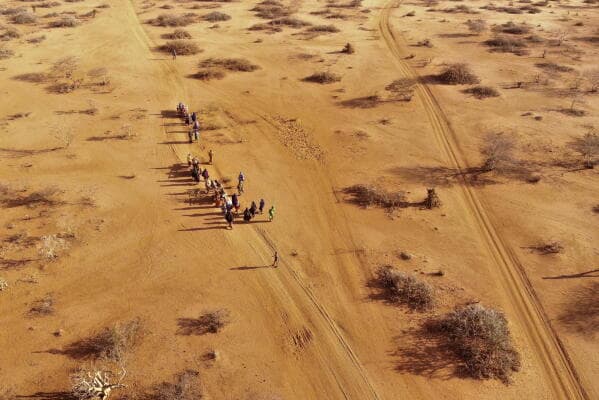
Traveling to Waajid requires a fundamental shift in mindset. This destination demands careful planning rather than spontaneous tourism. The primary mode of transport is road travel. The historical Mogadishu–Villabruzzi Railway, built in the 1910s, does not currently serve the town. Most visitors arrive via 4x4 vehicles, often as part of convoys or with established local guides who understand the security dynamics of the region.
The journey itself teaches patience. The roads are unpaved and can become treacherous during the rainy season. Checkpoints are a regular feature of the landscape. They function as a necessary part of the local security apparatus. Travelers must carry proper documentation and be prepared for delays. There is no fixed fare structure for private transport. Costs are negotiated based on vehicle type, fuel prices, and security requirements. It is crucial to work with reputable operators who have established relationships with local authorities. The road from Baidoa to Waajid is roughly 78 kilometers, but the travel time depends entirely on conditions and security checks.
Eating with the Community
Food in Waajid is simple, hearty, and deeply communal. Tourist restaurants and international menus do not exist here. Instead, meals are shared experiences that offer a genuine connection to local life. The scent of grilled goat often hangs in the evening air, a testament to the importance of livestock in the local economy. This dish is a staple, prepared with traditional spices and served with flatbread or rice.
Eating here is an act of hospitality. Locals may invite travelers to share a meal. This gesture should be accepted with gratitude and respect. It is important to be mindful of dietary customs. Somalia is a Muslim-majority country, and pork and alcohol are strictly forbidden. Meals are typically eaten with the right hand, following local tradition. Specific dishes unique exclusively to Waajid are not confirmed in available records. The quality of the ingredients and the warmth of the host make every meal memorable. Supporting local food vendors by purchasing directly from them helps sustain the local economy.
Sustainable Engagement
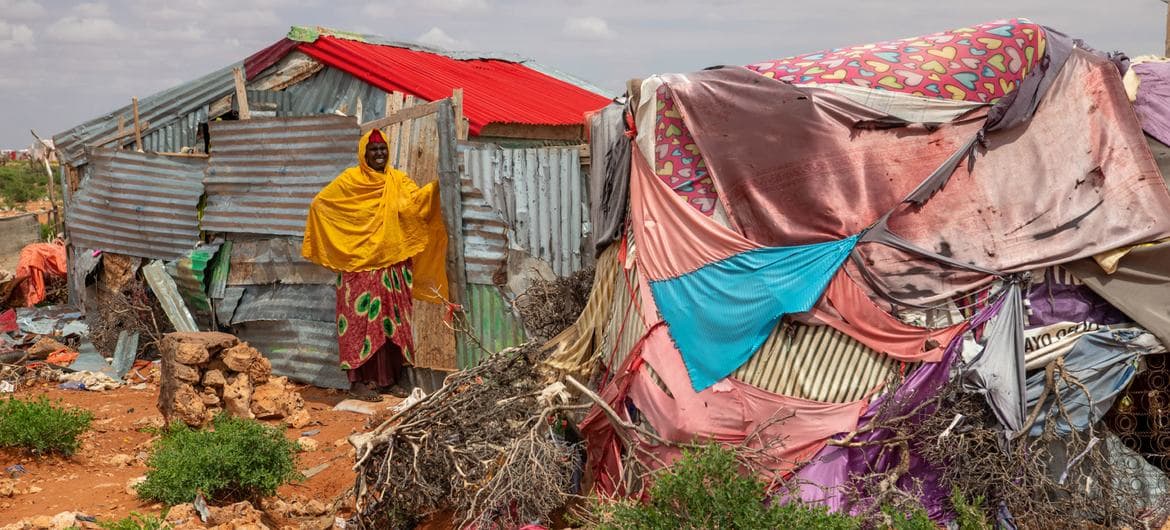
Sustainable tourism in Waajid differs from practices in more established destinations. The focus remains on minimizing your footprint and maximizing your positive impact. The town has no specific named landmarks or tourist sites. Your presence should not disrupt daily life. Avoid taking photos of people without permission, especially at checkpoints or in sensitive areas. Dress modestly, respecting local cultural norms. This approach helps build trust and rapport.
The most sustainable action you can take is to spend money locally. Hire local drivers, buy food from local markets, and engage with community members respectfully. This direct economic support helps rebuild the town’s infrastructure and livelihoods. Avoid bringing in outside goods unless necessary. Purchase what you can from local vendors. This approach ensures that your visit contributes to the local economy rather than extracting value from it.
Practical Logistics
Planning a trip to Waajid requires meticulous preparation. Traditional hotels are unavailable. Accommodation is often arranged through local contacts or NGOs operating in the area. It is essential to coordinate with your guide or sponsor to secure safe lodging. Security is the primary concern. Travelers must stay informed about the current situation in the Bakool region. Travel advisories should be checked regularly, and communication with local authorities is key.
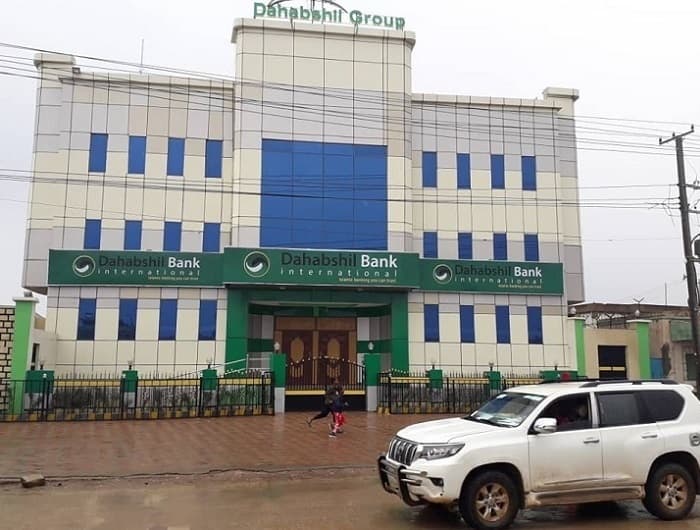
Money is typically carried in cash, as banking facilities are limited. The Somali shilling is the local currency, but US dollars are also widely accepted. It is advisable to carry small denominations for easier transactions. Mobile money services are becoming more prevalent, but connectivity can be unreliable. Always have a backup communication plan, including satellite phones if possible. The lack of formal tourism infrastructure means that self-reliance is crucial. Bring your own water purification tablets, first aid supplies, and any other essentials you may need.
When to Go and Who It’s For
Specific holidays or festivals in Waajid do not dictate the best time to visit. The dry season, typically from October to March, offers the most reliable road conditions. Travel to this region requires significant caution. Waajid is unsuitable for families, solo travelers without local support, or those seeking luxury or convenience. It is designed for experienced travelers, researchers, or journalists who are prepared for the challenges of remote travel.
The ideal audience for Waajid includes those interested in humanitarian work, cultural exchange, or understanding the realities of post-conflict recovery. A stay of a few days is sufficient to gain a sense of the town and its people. Longer stays require deeper local connections and support networks. The goal is to understand Waajid. This requires humility, patience, and a willingness to listen.
FAQ
Is it safe to travel to Waajid? Safety in Waajid depends on current security conditions. The town has a history of conflict, and travelers must exercise extreme caution. Work with experienced local guides and stay informed about security advisories.
What should I pack for Waajid? Pack lightweight, modest clothing suitable for hot climates. Bring water purification supplies, first aid kits, and cash in small denominations. Avoid bringing unnecessary valuables.
How do I get around Waajid? Public transport is unavailable. Movement within the town is typically on foot or by arranged vehicle. Always coordinate with your guide or local contact for transportation.