Spring in Tarrafal, Cape Verde, unfolds under a sky so blue it seems painted by hand, with temperatures hovering between 25°C and 30°C—perfect for beach days, coastal hikes, and cultural exploration. Nestled on the northern coast of Santiago Island, this charming coastal town offers a rare blend of natural beauty, historical depth, and laid-back island life. Whether you’re seeking sun-drenched relaxation or meaningful encounters with Cape Verde’s past, Tarrafal delivers a holiday experience that’s both serene and enriching.
Why Visit Tarrafal in Spring?
Spring (March to May) is one of the most favorable seasons to visit Tarrafal. The weather is warm but not oppressive, and the Atlantic winds are gentle, making it ideal for swimming, sunbathing, and outdoor activities. Rainfall is minimal, and the sea remains calm and inviting. Moreover, spring avoids the peak tourist crowds of summer, allowing for a more peaceful stay. The region’s lush greenery is at its most vibrant after the winter rains, adding a fresh, verdant backdrop to the white-sand beaches and rugged cliffs.
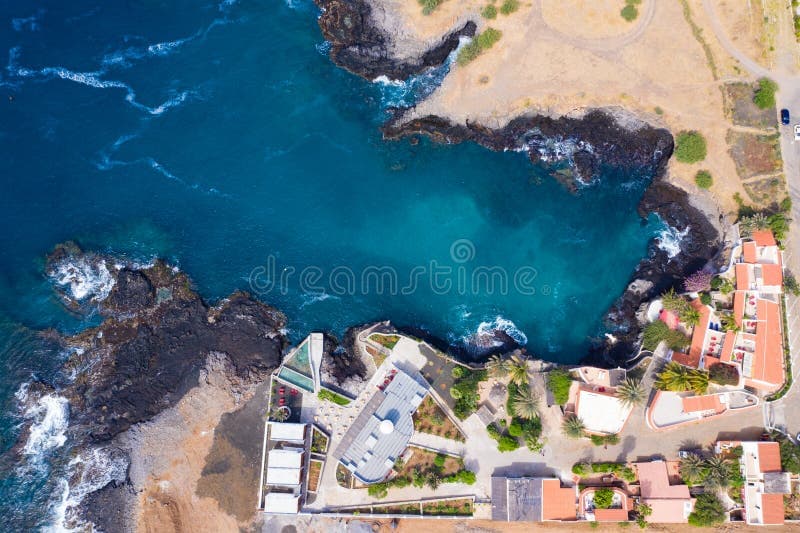
Must-See Attractions in Tarrafal
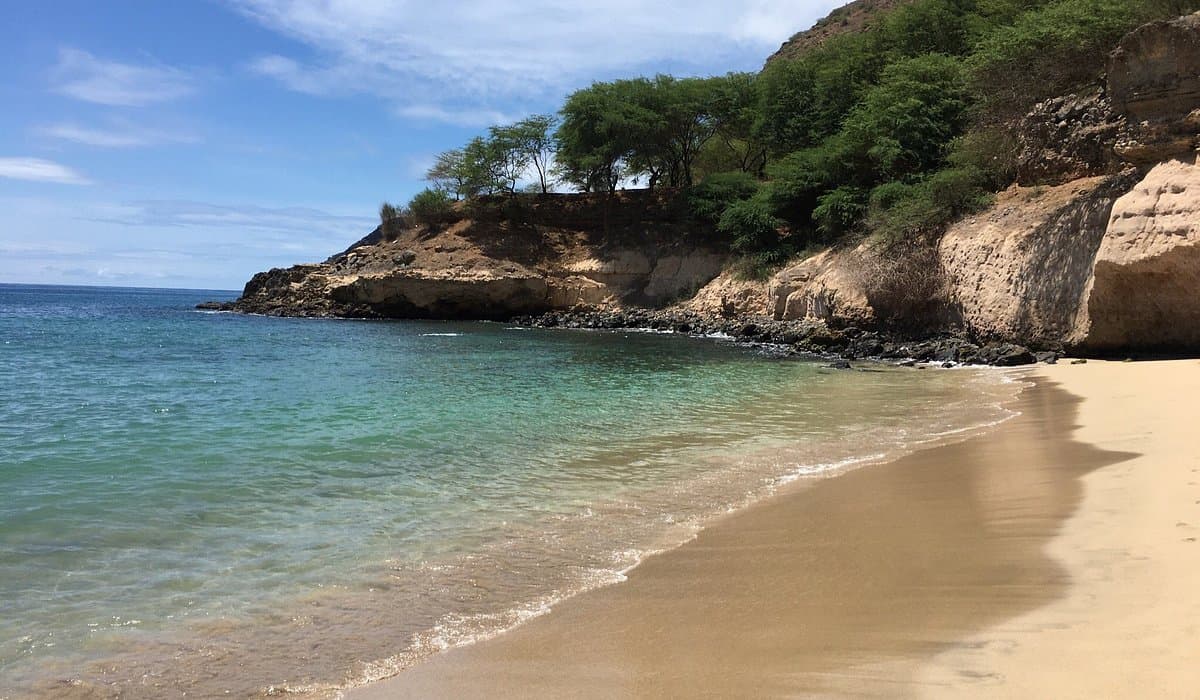
Tarrafal’s appeal lies in its dual identity: a stunning beach destination and a site of profound historical significance. The centerpiece is Tarrafal Beach, often hailed as one of Cape Verde’s most beautiful. With its powdery white sand, swaying palm trees, and turquoise waters, it’s perfect for swimming, sunbathing, or simply watching the waves roll in. For the adventurous, the beach also offers opportunities for snorkeling and kayaking.
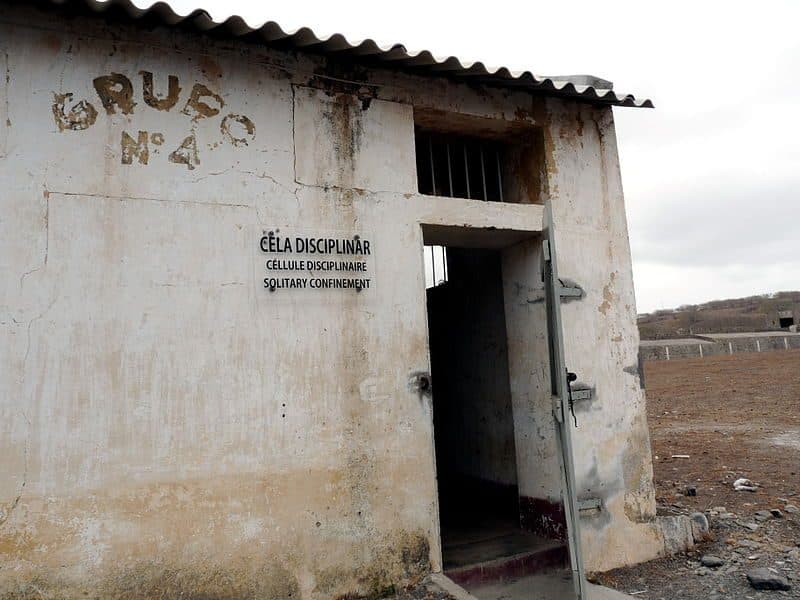
Beyond the beach, Tarrafal Concentration Camp is a sobering but essential visit. This former prison, used during Portugal’s colonial rule to detain political prisoners, now serves as a museum and memorial. It offers a powerful reminder of Cape Verde’s struggle for independence and is a must for travelers interested in history and human rights.
Other attractions include the Saint Amaro Abbot Parish, a serene local church with colonial-era architecture, and the largest banana plantation in Cape Verde, where guided tours provide insight into the island’s agricultural heritage.
Accommodation Options for Every Traveler
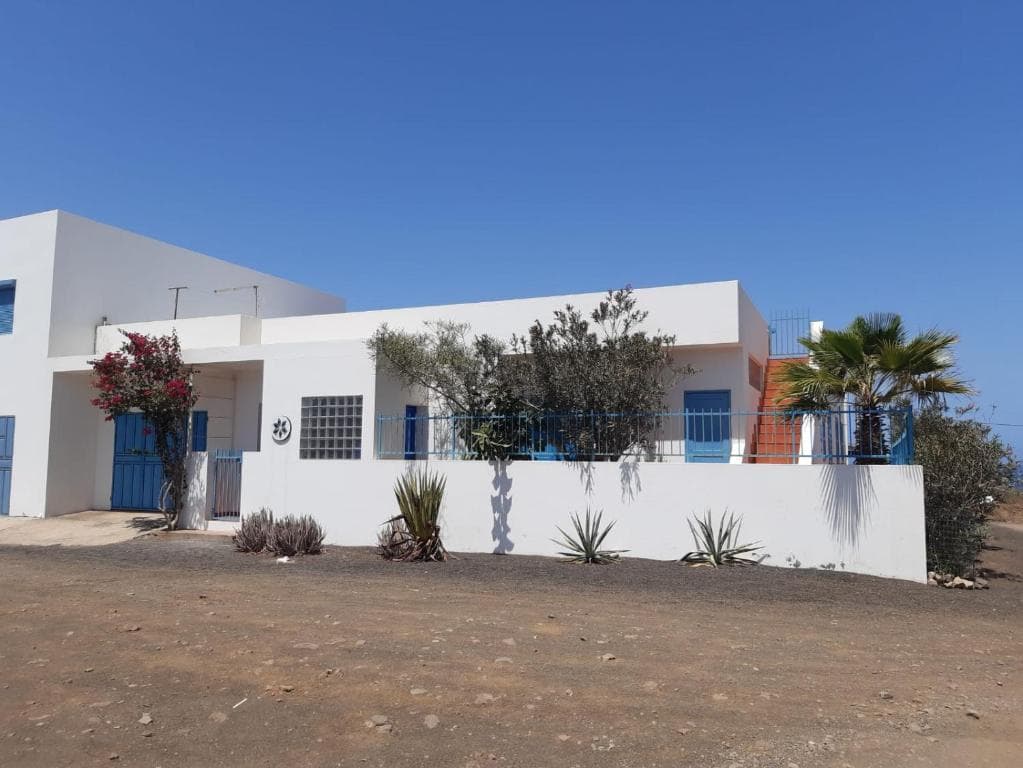
Tarrafal caters to a range of travelers, from budget backpackers to those seeking luxury. While it’s not home to large international resorts, several guesthouses, boutique hotels, and beachfront lodges offer comfortable stays with excellent views. Many accommodations are family-run, providing a warm, authentic experience.
For those seeking a more immersive stay, consider renting a private villa or apartment near the beach. These often come with kitchen facilities, allowing you to cook local dishes or enjoy a quiet evening with a bottle of local wine. Booking in advance is recommended, especially during spring, as the season is popular among European travelers seeking warm weather.
Getting to and Around Tarrafal
Tarrafal is approximately 70 kilometers from Praia, the capital of Cape Verde, making it accessible by car, bus, or private transfer. The journey takes about 1.5 to 2 hours, depending on road conditions. Public buses are economical and run regularly, though they may be less comfortable for long trips. For flexibility and convenience, renting a car is highly recommended, especially if you plan to explore the surrounding countryside or nearby villages.
Once in Tarrafal, most attractions are within walking distance or a short ride. Bicycles and scooters are also available for rent, allowing you to explore at your own pace while enjoying the coastal scenery.
Local Cuisine and Dining Experiences
Cape Verdean cuisine is a delightful fusion of African, Portuguese, and Creole influences. In Tarrafal, you’ll find fresh seafood dishes like peixe grelhado (grilled fish) and caldeirada (a hearty fish stew), often served with cassava or plantains. Don’t miss minhoca, a traditional dish made from salted cod and vegetables, or cachupa, the national dish of Cape Verde, a slow-cooked stew of corn, beans, and meat or fish.
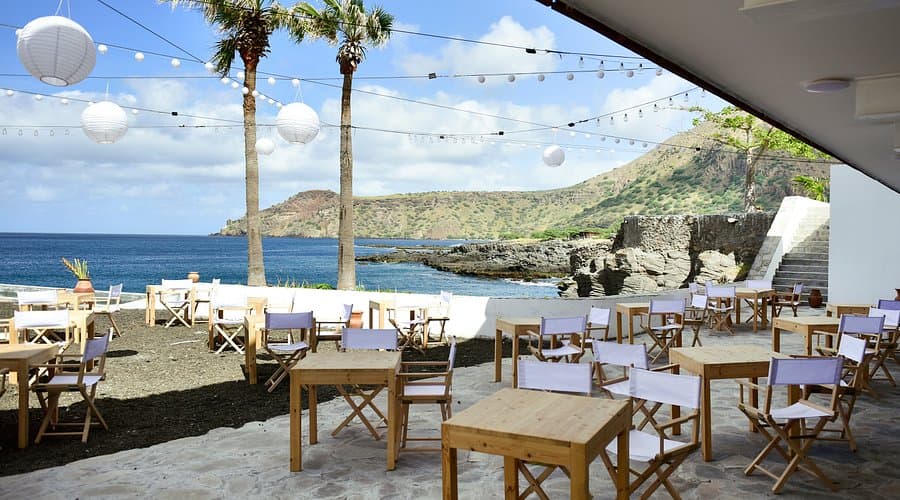
Beachside restaurants and local vendors offer casual dining with ocean views. For a more refined experience, some guesthouses and boutique hotels serve gourmet meals using locally sourced ingredients. Many also offer cooking classes, where you can learn to prepare traditional Cape Verdean dishes with local chefs.
Activities and Experiences for Spring Travelers
Spring in Tarrafal is ideal for outdoor adventures. Take a guided walking tour along the coastline to discover hidden coves and scenic viewpoints. For nature lovers, nature and wildlife tours offer opportunities to spot seabirds and marine life. The nearby hills and cliffs are also perfect for hiking, with trails that lead to panoramic views of the Atlantic.
If you’re interested in water sports, Tarrafal is a great spot for surfing, with local instructors offering lessons for beginners. For a more relaxed experience, try kayaking or snorkeling along the coast. Cultural enthusiasts can join traditional food cooking classes or visit the banana plantation to learn about sustainable farming practices.

Practical Tips for Your Tarrafal Holiday
- Currency: The local currency is the Cape Verdean escudo (CVE). Credit cards are accepted in most hotels and restaurants, but it’s wise to carry cash for smaller vendors.
- Language: Portuguese is the official language, but many locals, especially in tourist areas, speak English.
- Health and Safety: Cape Verde is generally safe for tourists. However, always protect yourself from the sun with sunscreen and a hat, and stay hydrated.
- Respect Local Culture: Cape Verdeans are warm and welcoming. Dress modestly when visiting churches or rural areas, and always ask before taking photos of people.
- Sustainability: Help preserve Tarrafal’s natural beauty by avoiding single-use plastics and respecting marine life. Many local businesses support eco-tourism initiatives.
Final Thoughts: A Spring Holiday Like No Other
Tarrafal, Cape Verde, offers a unique holiday experience that combines natural beauty, cultural depth, and historical significance. In spring, the weather is ideal, the beaches are inviting, and the pace of life is unhurried. Whether you’re lounging on the sand, exploring a historic site, or savoring fresh seafood, Tarrafal delivers a memorable escape. It’s not just a destination—it’s a journey into the heart of Cape Verdean life.
Plan your spring getaway to Tarrafal and discover a place where the ocean meets history, and relaxation meets meaning.