An objective assessment of Thimbirigasyaya, Sri Lanka. A precise audit of infrastructure, cost, and silence for remote workers in Colombo.
The transfer from Bandaranaike International Airport takes twenty-eight minutes. This initial metric sets the tone for the entire stay. Most digital nomads gravitate toward the chaotic density of Colombo’s Fort district or the saturated social scene of Mount Lavinia. They overlook Thimbirigasyaya. This oversight represents a strategic error. Located in the Western Province, this suburb offers a distinct asset class: silence, leafy streets, and administrative order. Thimbirigasyaya functions as a workspace. The air is cooler, the traffic lighter, and Wi-Fi stability generally superior due to lower network congestion. Places should be evaluated by their ability to facilitate deep work. Thimbirigasyaya meets this standard.
Why Thimbirigasyaya?
Remote workers seeking productivity will find three primary advantages here. First is cost. Operating expenses in this suburb are significantly lower than in central Colombo, extending further budgets. Second is silence. The residential nature of the area minimizes auditory distractions, allowing for uninterrupted focus. Third is connectivity. While not a tech hub, the fiber-optic infrastructure is robust, providing reliable speeds without the latency issues found in denser urban centers. This combination creates an environment conducive to long-term residence and high-output work.
The Infrastructure Audit
Thimbirigasyaya is defined by its structure. The Divisional Secretariat stands as the administrative anchor. It is a functional building, devoid of decorative flair, signaling a community governed by procedure rather than spectacle. For the remote worker, this implies reliability. The roads are paved, the signage is clear, and the layout follows a logical grid. This predictability reduces cognitive load. Visitors do not spend their morning navigating unpredictable traffic patterns. They spend it working.
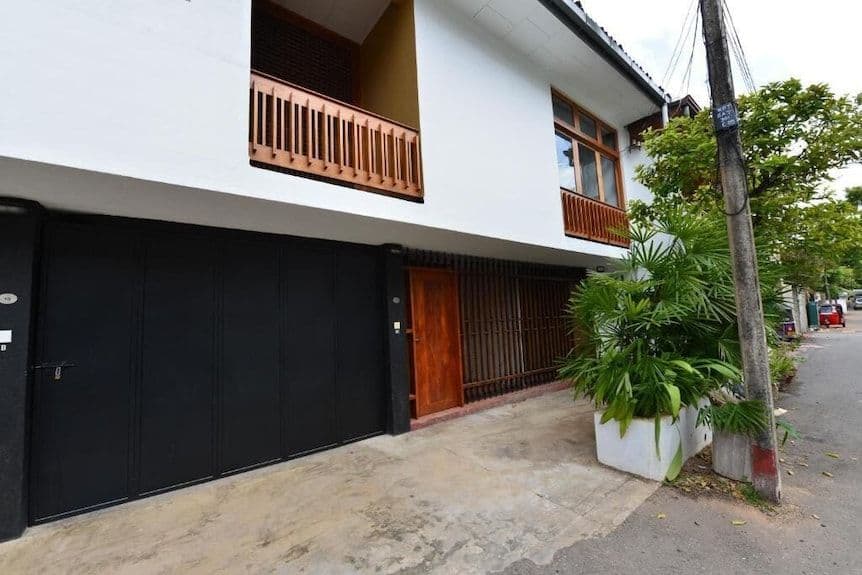
The residential architecture reflects a mid-century colonial influence, adapted for tropical humidity. High ceilings, wide verandas, and tiled roofs dominate. These features provide natural cooling, reducing reliance on air conditioning. Lower energy costs translate to lower overheads for guesthouses and accommodations. Maintenance levels vary, but the core structures remain sound. The aesthetic is muted—greens, browns, and faded whites. It is visually quiet. Visual noise disrupts focus. Thimbirigasyaya minimizes it.
Spiritual Anchors and Art
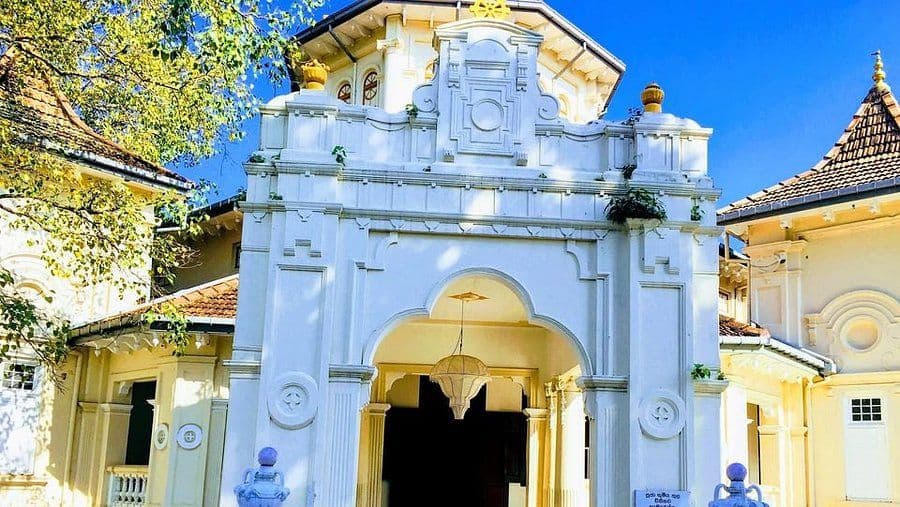
Culture in Thimbirigasyaya is lived locally. The Asokaramaya Buddhist Temple on Thimbirigasyaya Road serves as a cultural repository. It houses displays of 18th to 20th-century Sri Lankan lifestyle. This provides context for the local rhythm. The temple features hybrid art styles, blending traditional motifs with modern influences. It serves as a place of study and reflection. A visit during off-peak hours is advisable. The light inside is dim, filtered through high windows. The atmosphere supports mental clarity. For the writer or analyst, this environment offers a necessary reset. It reminds visitors of the historical depth beneath the modern infrastructure.
Independence Square is a nearby reference point. It marks a transition zone between the suburban calm of Thimbirigasyaya and the political center of Colombo. It is a space of civic memory. Its presence grounds the suburb in the national narrative. Understanding this context prevents superficial judgments often made by outsiders. Thimbirigasyaya is integrated into the broader city fabric. This integration allows for seamless access to the city center when required for meetings or banking.
Transport Realities
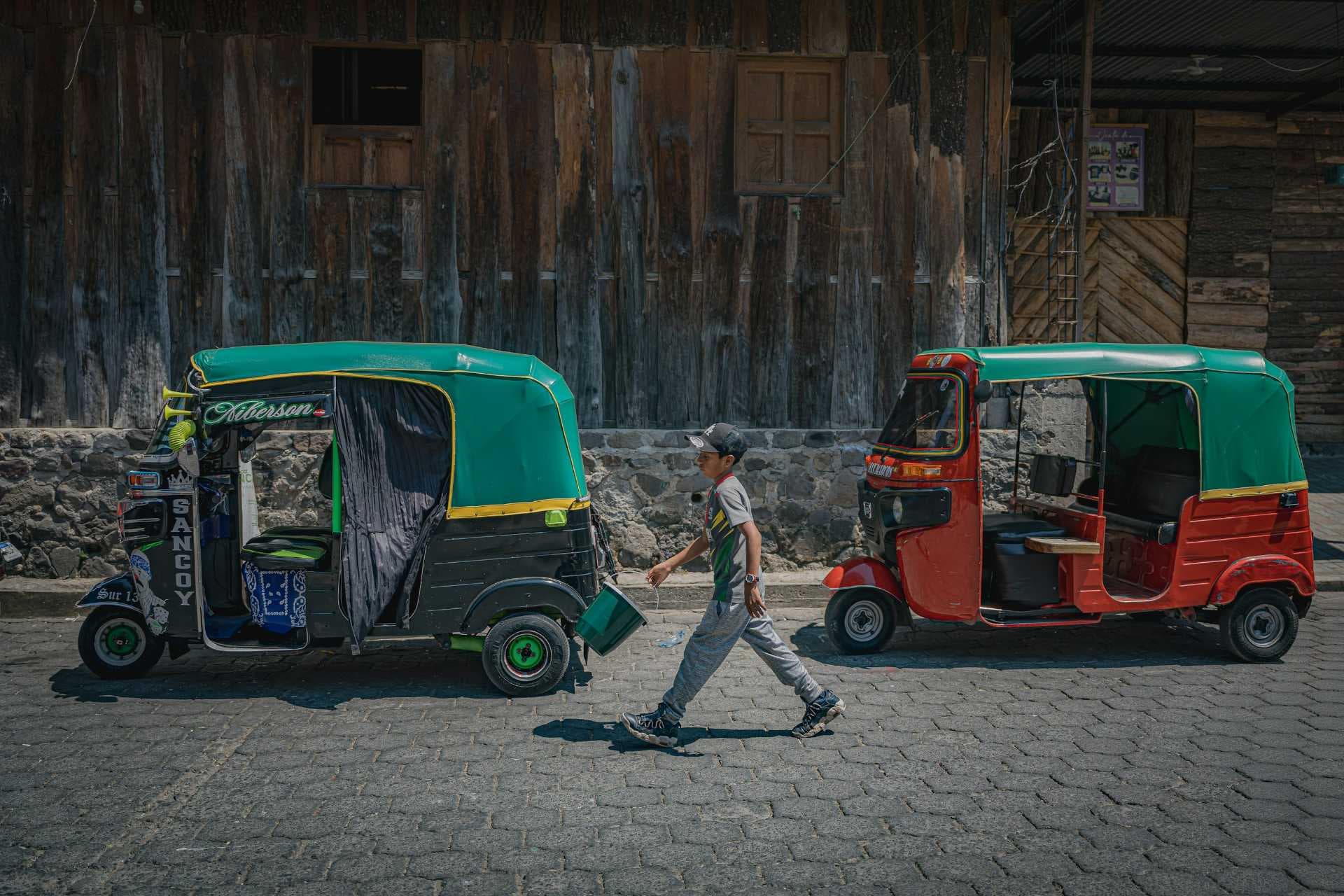
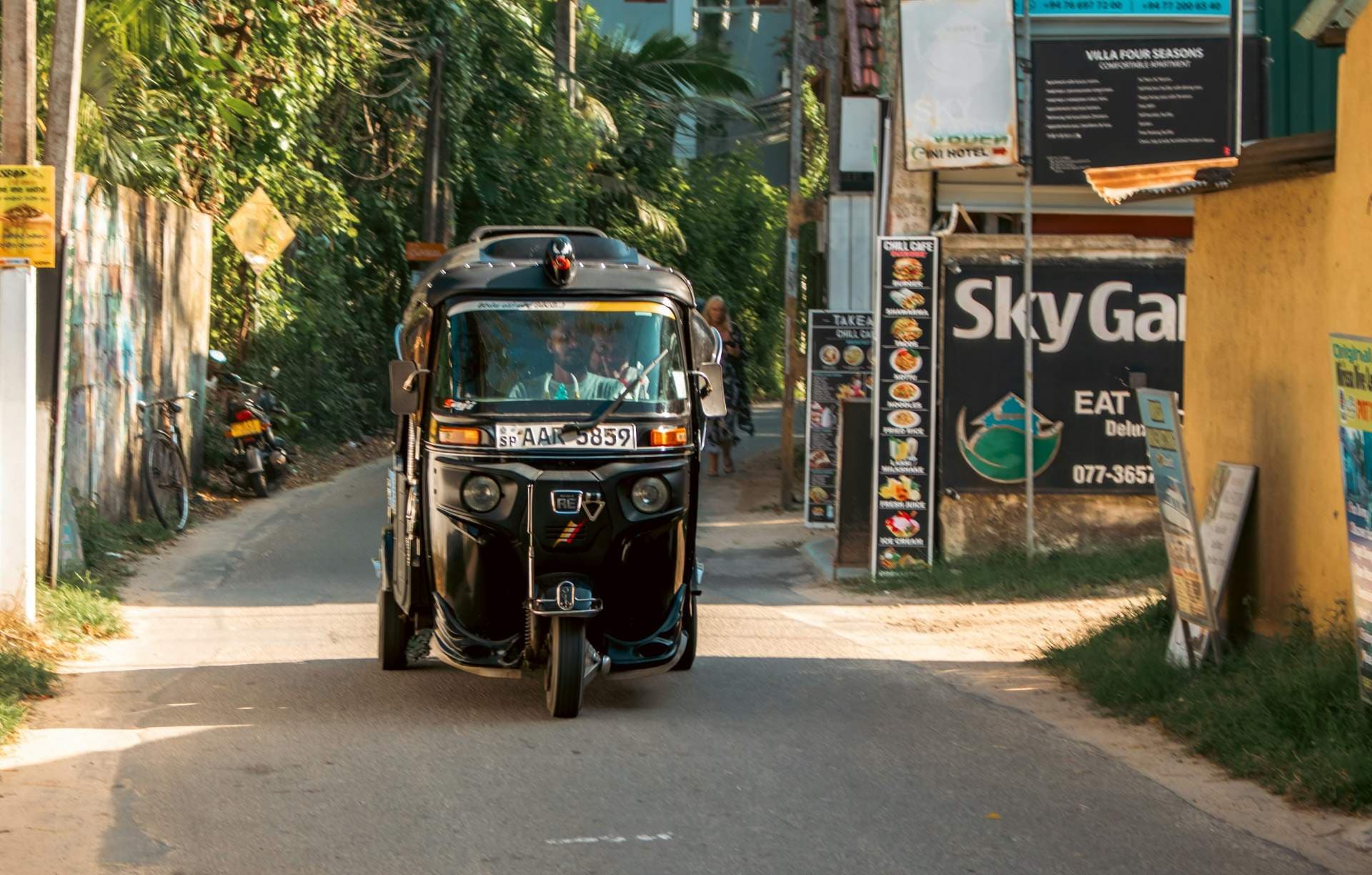
Transportation in Thimbirigasyaya is road-based. There is no railway station. Rail travel in Sri Lanka is scenic but inefficient for business purposes. It is subject to delays and limited schedules. Thimbirigasyaya relies on tuk-tuks and buses. The tuk-tuk network is dense. Drivers are available within a five-minute walk from most locations. This provides flexibility without the commitment of a rental car.
The journey from the airport is straightforward. A private taxi takes approximately twenty-eight minutes. The cost ranges between Rs 14,000 and Rs 18,000. This exceeds the rates advertised for shared vans or older vehicles. Reliability should be prioritized. The private transfer ensures arrival is restful and punctual. Once in Thimbirigasyaya, local tuk-tuk fares are low. A short trip within the suburb costs roughly Rs 200–400. This expense is negligible. Fares should be negotiated before entering the vehicle. Drivers are professional, but they test resolve. Establishing the price clearly sets the tone for the stay.
The Digital Workspace
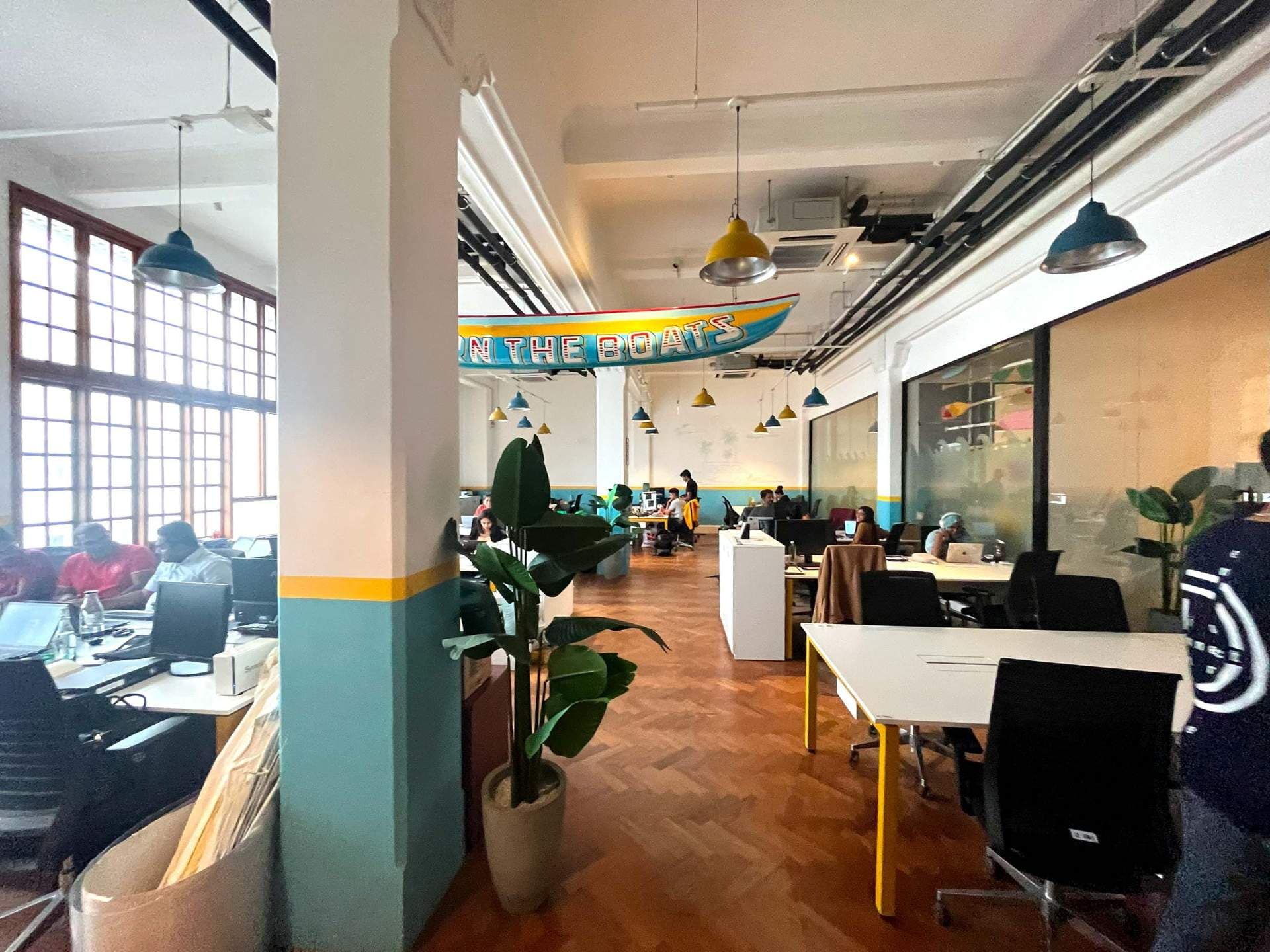
Dedicated co-working spaces are absent in Thimbirigasyaya. This absence presents an opportunity. The lack of branded hubs means visitors create their own environment. Guesthouses and boutique hotels in the area often provide high-speed internet. Connection speed should be verified upon arrival. Most properties offer fiber-optic connections, capable of supporting video calls and large file transfers. Competition for bandwidth is lower than in central Colombo.
Establishing a routine is recommended. Work from accommodation in the morning. The light is good, and the house is quiet. Midday can be hot. Use this time for meals or walks. The leafy streets provide shade. Evening work requires artificial lighting. The workspace must have adequate illumination. Poor lighting leads to eye strain and fatigue. Electrical outlets are standard Sri Lankan type D/M. Adapters are necessary. The power supply is stable, but occasional fluctuations occur. A surge protector is advisable.
Sustenance and Local Rhythm
Food in Thimbirigasyaya is functional and consistent. Famous restaurants are non-existent. Dining out is a logistical task rather than a culinary adventure. Rice and curry is the staple. It is available at small shops and eateries along the main roads. Portions are generous. Prices are low. This meal provides sustained energy without the crash associated with heavy, oily meals. Hoppers are also common. They are crisp on the outside and soft inside. They pair well with egg and sambol for breakfast.
The local market area is modest. It sells fresh produce and basic groceries. Fresh fruits and vegetables are of high quality. Prices are fair. Interaction with vendors is polite and efficient. Learning a few phrases in Sinhala demonstrates respect. Locals appreciate the effort. It builds goodwill. In a small community, reputation matters. Courtesy, timely payment, and cleanliness determine the quality of the experience.
Timing and Audience
The optimal time to visit Thimbirigasyaya is during the dry season, from December to March. The weather is pleasant. The risk of rain disrupting outdoor activities is low. The indoor environment remains stable year-round. Heat is manageable with fans and cross-ventilation. Major holidays are sparse in the immediate future. Streets remain quiet. Crowds are minimal. Pricing does not spike. This is ideal for long-term stays.
This location suits solo travelers, couples, and remote professionals who value privacy. It is unsuitable for families seeking entertainment or nightlife. The pace is slow. Amenities are basic. Those requiring constant stimulation should look elsewhere. Those seeking focus should stay here. A minimum stay of two weeks is recommended. This allows for acclimatization. Routines are established. The neighborhood is understood. Productivity is achieved.
Practical FAQ
Is visa assistance available? No. Thimbirigasyaya is a residential suburb. Visa processing occurs at the Department of Immigration and Emigration in Colombo. Allow extra time for travel.
Is it safe? Yes. Crime rates are low. Standard precautions apply. Secure belongings. Be aware of surroundings.
What is the internet speed? Fiber-optic connections are common. Expect speeds of 50–100 Mbps. Verify with the host before booking.