Ampasimanolotra is a transit hub. Your policy needs to cover rail delays and medical evacuation from the east coast.
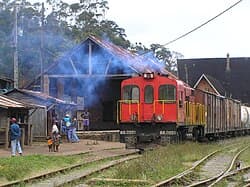
The metre-gauge train rattles over the tracks of the Tananarive–Côte Est Railway. The rhythm is uneven. The air smells of rust, wet earth, and the faint, sweet rot of sugarcane. You are in Ampasimanolotra, a town that exists primarily to move people between the highlands and the sea. It was once called Brickaville, named for the sugar refinery that still dominates the skyline like a concrete scar. Most tourists skip this place. They want the pristine beaches of Nosy Be or the lemurs of Andasibe. You are here because you are moving through. And because you are moving through, you are vulnerable.
Travel insurance functions as a contract against chaos. In a place like Ampasimanolotra, where the infrastructure is functional but fragile, your policy is the only thing standing between a minor inconvenience and financial ruin. The standard policies sold at airport kiosks in Paris or New York are designed for people who fly direct to a hotel and stay there. They assume you will be within twenty minutes of a hospital that accepts your credit card. That assumption fails here.
The Transit Trap
Route Nationale 2 cuts through the town. It is the spine of the east coast. Buses and shared taxis clog the asphalt, kicking up dust that coats your teeth. The Tananarive–Côte Est Railway (TCE) runs parallel, a relic of colonial engineering that still carries a significant portion of the population. Both are essential. Both are risky.
Your insurance must explicitly cover overland transport. Many policies exclude travel on "non-commercial" or "informal" vehicles. In Madagascar, the line between commercial and informal is blurred. A shared taxi is a licensed vehicle, but it operates with the unpredictability of a street fight. If you are injured in a collision on Route Nationale 2, you need to know your policy pays out. Check the fine print for "public transport" definitions. If it requires a scheduled airline or a regulated bus company with seatbelts, you are likely excluded. The TCE railway is regulated, but the rolling stock is old. Accidents happen. Delays are common. If your train breaks down for three days, your policy should cover the extra hotel nights. It should also cover the food you buy from the roadside stalls because the cafeteria is closed.
Medical Evacuation Requirements
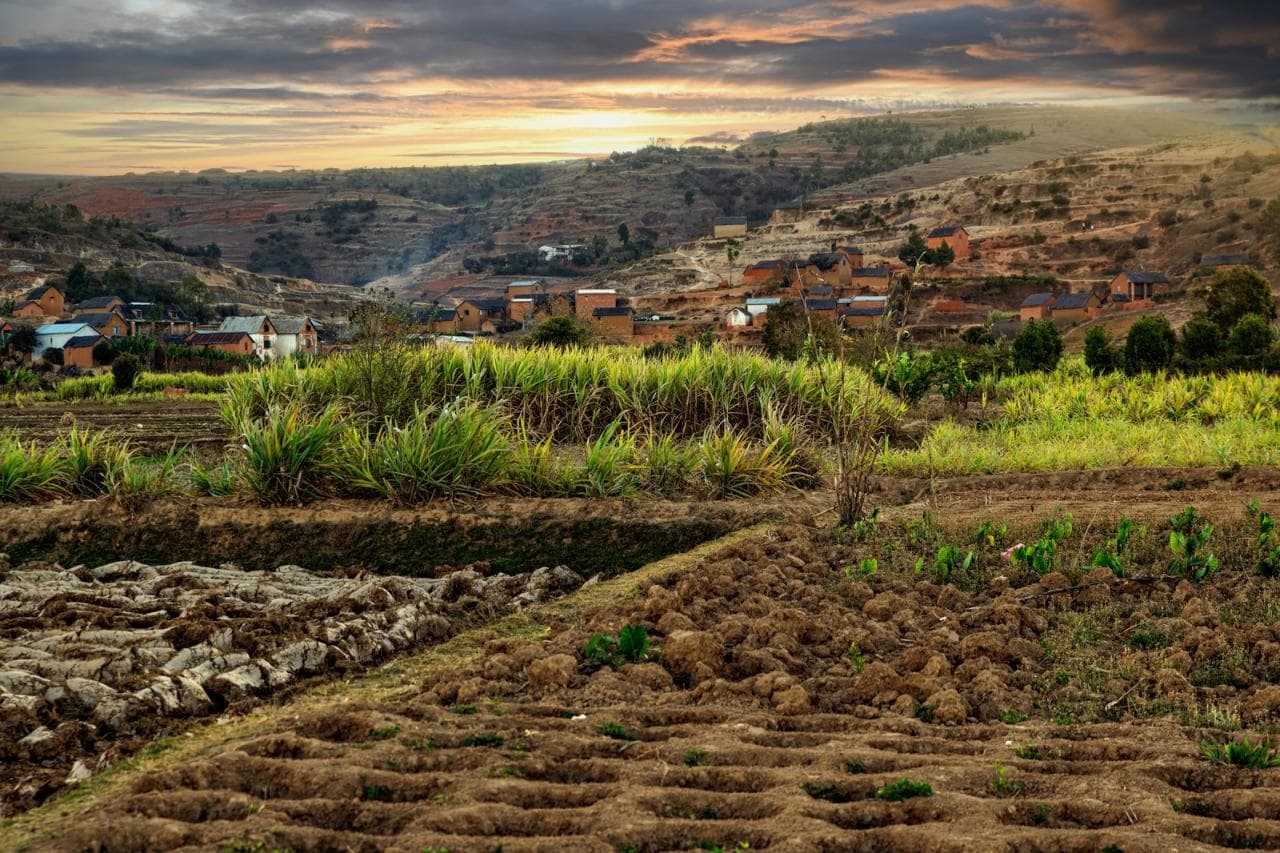
Ampasimanolotra serves as a transit hub. The town has basic clinics, but they lack specialized care. If you suffer a serious injury, a severe infection, or a cardiac event, you will be moved. The nearest major medical facilities are in Toamasina (Tamatave) or Antananarivo. Both are hours away by road or rail.
Standard medical coverage is insufficient. You need medical evacuation coverage. This clause pays for the ambulance, the helicopter, or the private charter to get you to a facility that can save your life. Without it, you pay out of pocket for a journey that could cost thousands of dollars. The terrain is rugged. The roads are poor. Time is critical. Do not assume that "medical expenses" includes the cost of moving your body from a town with limited resources to a city with advanced care. It usually does not. Verify the limit. It should be at least $100,000. Higher is better. The cost of a helicopter evacuation from the east coast of Madagascar is not a line item you want to negotiate with a credit card.
Industrial Risks and Theft
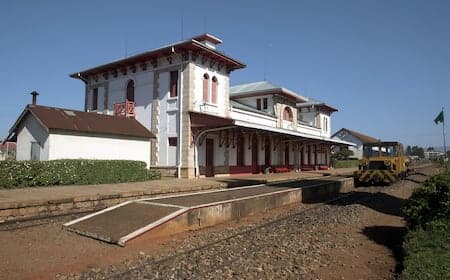
The Brickaville Sugar Refinery is a landmark. It is also an industrial site. The town’s economy is tied to it. The air can carry the scent of burning cane. The ground can vibrate with machinery. If you are visiting the refinery as a tourist, ensure your policy covers "adventure" or "industrial" tourism activities. Some policies exclude injuries sustained in industrial zones. If you are walking through the town and a piece of debris falls from a truck, that is an accident. If you are on a guided tour of the refinery and slip on a wet floor, that is an occupational hazard. The distinction matters.
Theft is a reality in Ampasimanolotra. The town is a working environment where strangers pass through constantly. Pickpocketing occurs on crowded buses and trains. Your policy should cover theft of personal belongings, including electronics and cash. Declare your items. Keep receipts. If your phone is stolen on the TCE railway, you need documentation to claim the loss. Without it, the insurance company will call it "negligence" and deny the claim.
Practical Timing and Holidays
The best time to visit is during the dry season, from May to October. The roads are passable. The trains run more reliably. The humidity is lower. However, you must account for holidays. Assumption Day is August 15. Expect higher demand for transport. Surge pricing on buses and taxis is likely. Crowds will fill the stations. Book your tickets early. If you miss your train, you may be stuck for days. All Saints' Day in November brings families to gravesites, increasing traffic. Republic Day in December and Christmas in late December are peak seasons. Prices rise. Availability drops.
If you are traveling during these periods, your insurance should cover trip interruption due to "unforeseen events." A holiday crowd causing a transport strike is an unforeseen event. A delayed flight due to weather is an unforeseen event. Ensure your policy has a "cancel for any reason" add-on if you want the flexibility to bail out when the chaos becomes too much.
FAQ
Do I need a visa for Madagascar? Yes. Most travelers need a visa. It can be obtained on arrival for many nationalities, but check current regulations. Your insurance does not cover visa denials.
Is the TCE railway safe? It is generally safe, but it is old. Accidents do happen. Ensure your policy covers rail travel. Do not lean out of windows. Do not stand on the platforms when trains are moving.
What if I get sick? Basic clinics exist in Ampasimanolotra. For serious illness, you will be evacuated to Toamasina or Antananarivo. Ensure your policy covers medical evacuation. Carry a supply of basic medications.
Travel exposes the fragility of the journey. Ampasimanolotra highlights this reality. Your insurance makes that exposure manageable. Buy it before you leave. Read the fine print. And when the train rattles over the tracks, remember that you are not just a passenger. You are a risk.