Valley of Peace offers disciplined tranquility. Verify the bus times. Book the eco-lodges early. Precision enhances romance here.
The humidity in the Cayo District asserts itself immediately. In Valley of Peace, Belize, the air is thick, a heavy, green blanket that settles over the coffee plantations and cacao groves. This destination appeals to those who appreciate structure within nature. The rhythm of life here follows agricultural cycles rather than tourist schedules. For a honeymoon, this location provides a stark contrast to the chaotic energy of coastal resorts. There is no beach here. There is only the land, the rain, and the quiet efficiency of a community that has mastered its environment. I evaluate destinations by their ability to deliver on their promise without compromise. Valley of Peace delivers isolation, but it demands logistical competence.
The Landscape as Asset
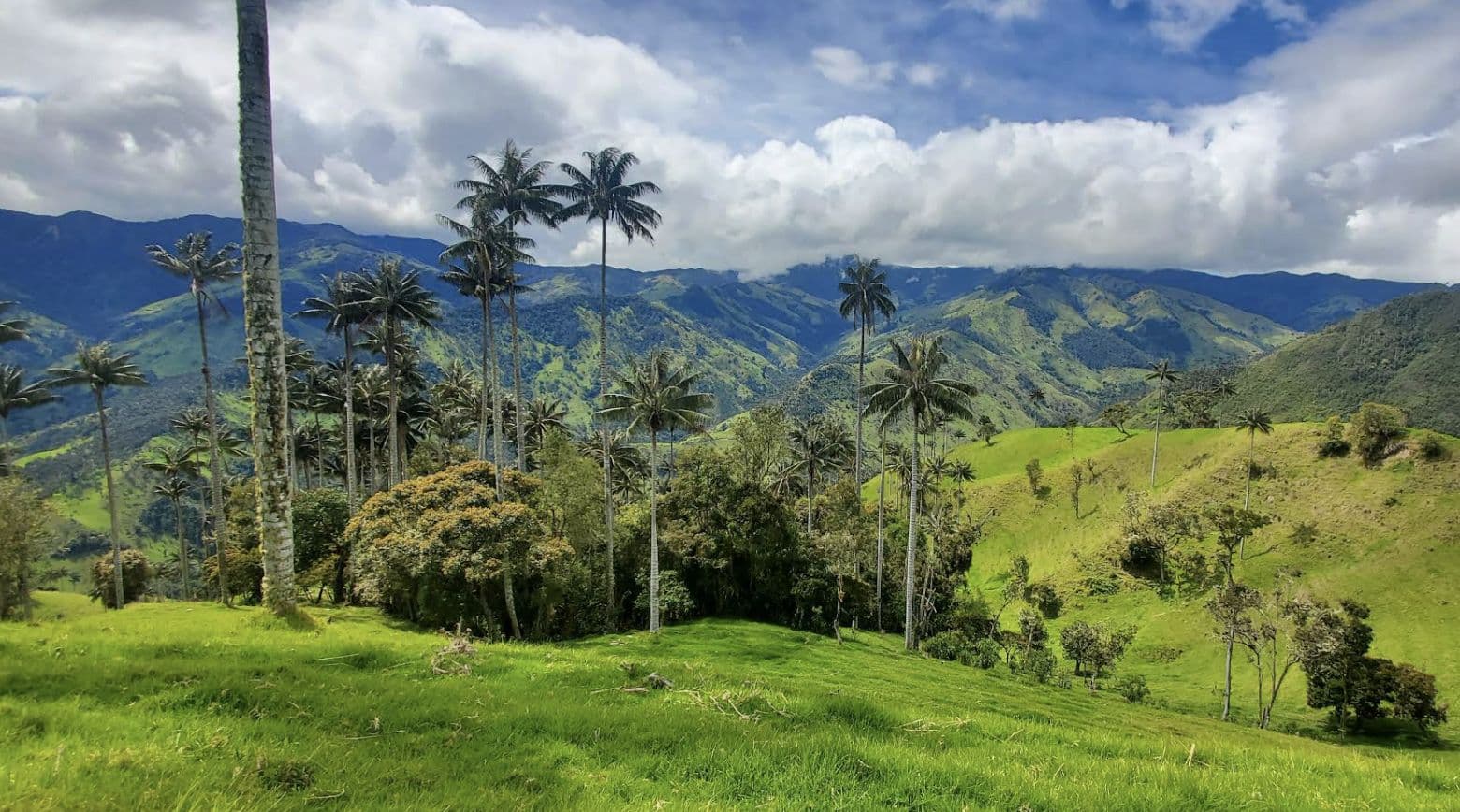
Valley of Peace operates as a functional agro-tourism hub. The landscape is dominated by shade-grown coffee and cacao plots, arranged with a geometric regularity that suggests careful management. The vegetation is dense, tropical, and aggressive. The light filters through the canopy in dappled patterns, creating a visual noise that requires focus to parse. There are no towering monuments or constructed landmarks to distract from the primary asset: the terrain itself.
The absence of named, singular landmarks within the village boundaries serves as a feature. It forces the eye to engage with the broader context. The nearby Maya sites of Xunantunich and Caracol serve as historical anchors, but they remain outside the immediate vicinity of Valley of Peace. They are separate investments of time and fuel. Within the village, the "landmarks" are the farms. The soil is dark and rich, indicative of high fertility. The soundscape is dominated by birdcall and the distant hum of agricultural machinery. It is a sensory environment that rewards attention to detail. One does not look for a view; one looks for texture. The bark of the trees, the vein structure of the cacao leaves, the specific shade of green in the coffee cherries. These are the metrics of interest.
Where to Stay
Accommodation in Valley of Peace is defined by its community-run nature. The options are limited to eco-stays and lodges that prioritize sustainability over luxury. This is a deliberate trade-off. You are paying for integration, not indulgence.
- Community Eco-Lodges: These establishments typically offer basic amenities with a focus on environmental harmony. Expect simple furnishings, mosquito nets, and fans rather than air conditioning. The nightly rate is modest, reflecting the local economy. The differentiator here is the direct support of the community. The service is informal but efficient. Cleanliness standards are maintained, though they may not meet five-star hotel protocols.
- Private Farm Stays: Some local families offer rooms in conjunction with their agricultural operations. This option provides deeper immersion. Guests often wake to the sounds of farm work. Breakfast is usually included, featuring locally sourced ingredients. The privacy is variable, depending on the layout of the property. This is for couples who view their honeymoon as a field study in rural Belizean life.
Prices fluctuate based on seasonality and occupancy. Budget accordingly. Do not expect marble countertops or concierge services. Expect functionality, cleanliness, and a genuine connection to the host family. The value proposition is authenticity, curated by necessity rather than design.
Logistics and Transit
Efficiency is the currency of travel in Belize’s interior. The journey to Valley of Peace from Belize City takes approximately 2.5 to 3 hours by road. This route functions as a transit corridor. The roads are paved but can be narrow, winding through the Cayo District’s rugged terrain.
Public transport is available via local buses. These are utilitarian vehicles, designed for capacity and durability rather than comfort. They run on a schedule that prioritizes local commerce over tourist convenience. Specific line numbers are not well-documented for international travelers, requiring on-site verification at the bus terminal. The fare is low, but the flexibility is nonexistent. You depart when the bus departs.
For those unwilling to submit to the public transit timetable, hiring a private driver or renting a vehicle is the superior option. It adds cost but buys control. The roads improve as you approach the Cayo District, but caution is advised. Rain can turn unpaved sections into mud traps. Check the weather forecast before departure. A delay here disrupts the entire itinerary. Precision in timing is essential.
The Culinary Audit
There are no celebrated restaurants in Valley of Peace. The culinary experience is home-cooked, rooted in Belizean staples. Rice and beans, stew chicken, and fresh fruits form the backbone of the diet. The flavors are robust, seasoned with local herbs and spices. The cacao and coffee produced here are consumed fresh, offering a taste profile that is earthy and intense.
Dining is communal. Meals are often shared, encouraging interaction with hosts and other guests. This is sustenance, elevated by quality ingredients and preparation. The lack of variety is offset by the authenticity of the experience. You are eating what the land produces, prepared by those who work it. The texture of the food, the temperature of the drink, the simplicity of the presentation—all reflect the pragmatic ethos of the village. Do not expect menu innovation. Expect consistency and flavor derived from proximity to the source.
Practical Details and Timing
The dry season, from November to April, is the optimal window for visiting Valley of Peace. During these months, rainfall is minimal, and roads are passable. The heat is intense, but manageable. The wet season brings heavy rains, which can isolate the village and disrupt travel plans. If you visit during the summer, as of August 2026, prepare for humidity and potential flooding. Bring appropriate clothing and footwear.
Upcoming holidays will impact availability and pricing. Saint George's Caye Day (September 10, 2026) and Independence Day (September 21, 2026) are national events that draw domestic tourists. Book accommodation well in advance to avoid scarcity. Indigenous Peoples' Resistance Day (October 12, 2026) and Garifuna Settlement Day (November 19, 2026) also see increased activity. Christmas and Boxing Day (December 25-26, 2026) are peak periods for international visitors. Prices surge, and options dwindle. Plan accordingly.
FAQ
Is Valley of Peace safe for honeymooners? Yes. Crime rates in rural Cayo District are low compared to urban centers. Standard precautions apply. Secure valuables and respect local customs.
Do I need a visa for Belize? Citizens of many countries, including the US, UK, and EU members, do not require a visa for stays up to 30 days. Verify requirements with your local embassy before travel.
What currency should I carry? The Belize Dollar (BZD) is the official currency, pegged to the US Dollar. US Dollars are widely accepted. Carry small bills for local purchases.
Valley of Peace is not for everyone. It requires patience, adaptability, and an appreciation for unvarnished reality. But for those who seek a honeymoon grounded in substance rather than spectacle, it offers a compelling, if demanding, proposition. The silence here is earned. Respect it.