Plant-based travel in Brokopondo means trading restaurant menus for market stalls and reservoir views.
Brokopondo, Suriname, offers a masterclass in self-reliant, plant-forward travel. Located roughly two hours north of Paramaribo, this district is defined by the vast expanse of the Brokopondo Reservoir and the dense green wall of the Central Suriname Nature Reserve. The vegetarian or vegan traveler faces a challenge defined by infrastructure rather than a lack of ingredients. You will not find dedicated vegan bistros or clearly labeled plant-based menus in the town center. Instead, your culinary experience revolves around the local market, fresh tropical produce, and the traditional staples of Surinamese cuisine that are naturally plant-based. This is slow travel, where the meal is as much about the journey to the ingredients as it is about the eating.
The Landscape of Plant-Based Travel
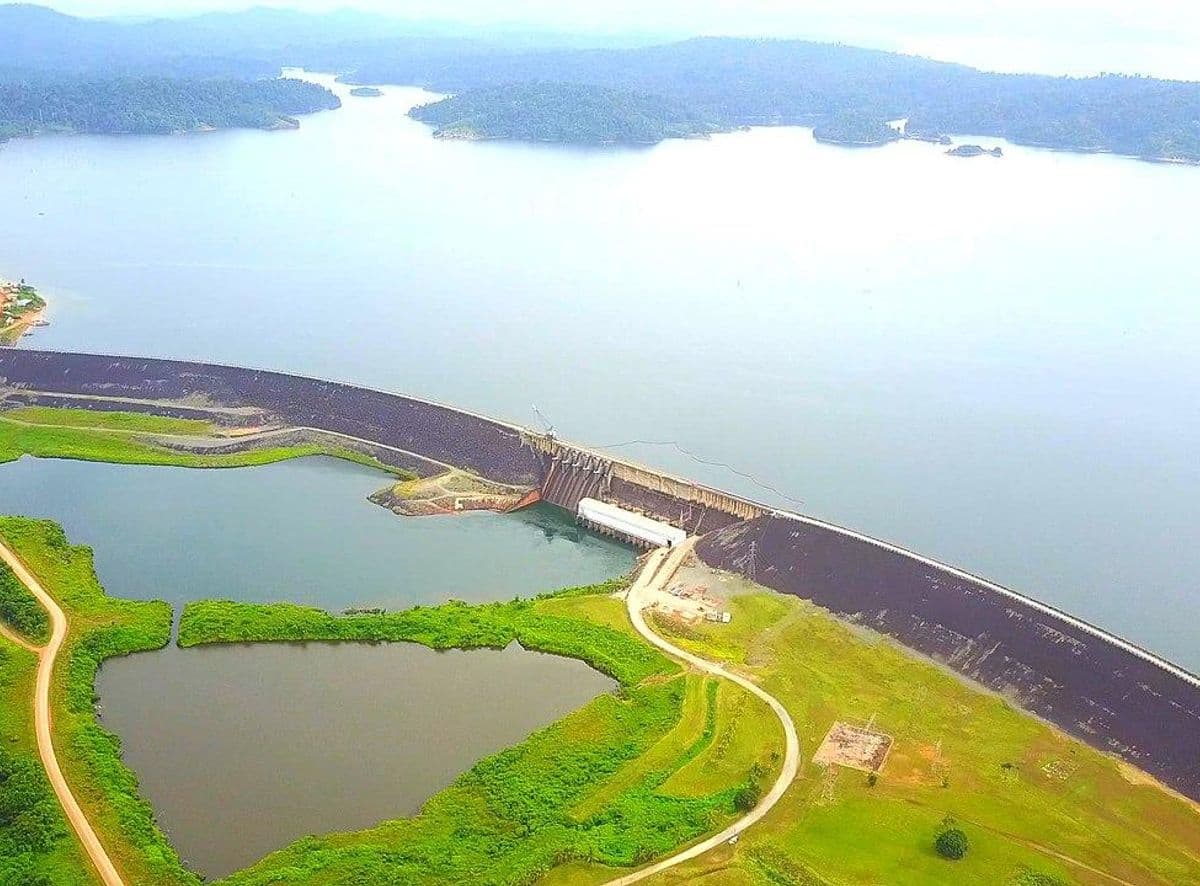
The geography of Brokopondo dictates the rhythm of your visit. The district is dominated by the Brokopondo Reservoir (Brokopondostuwmeer), a massive man-made lake created by the Afobaka Dam. This body of water is central to the district’s identity, powering much of the country’s hydroelectric grid. For the traveler, it offers a serene, mirror-like surface that reflects the surrounding rainforest canopy.
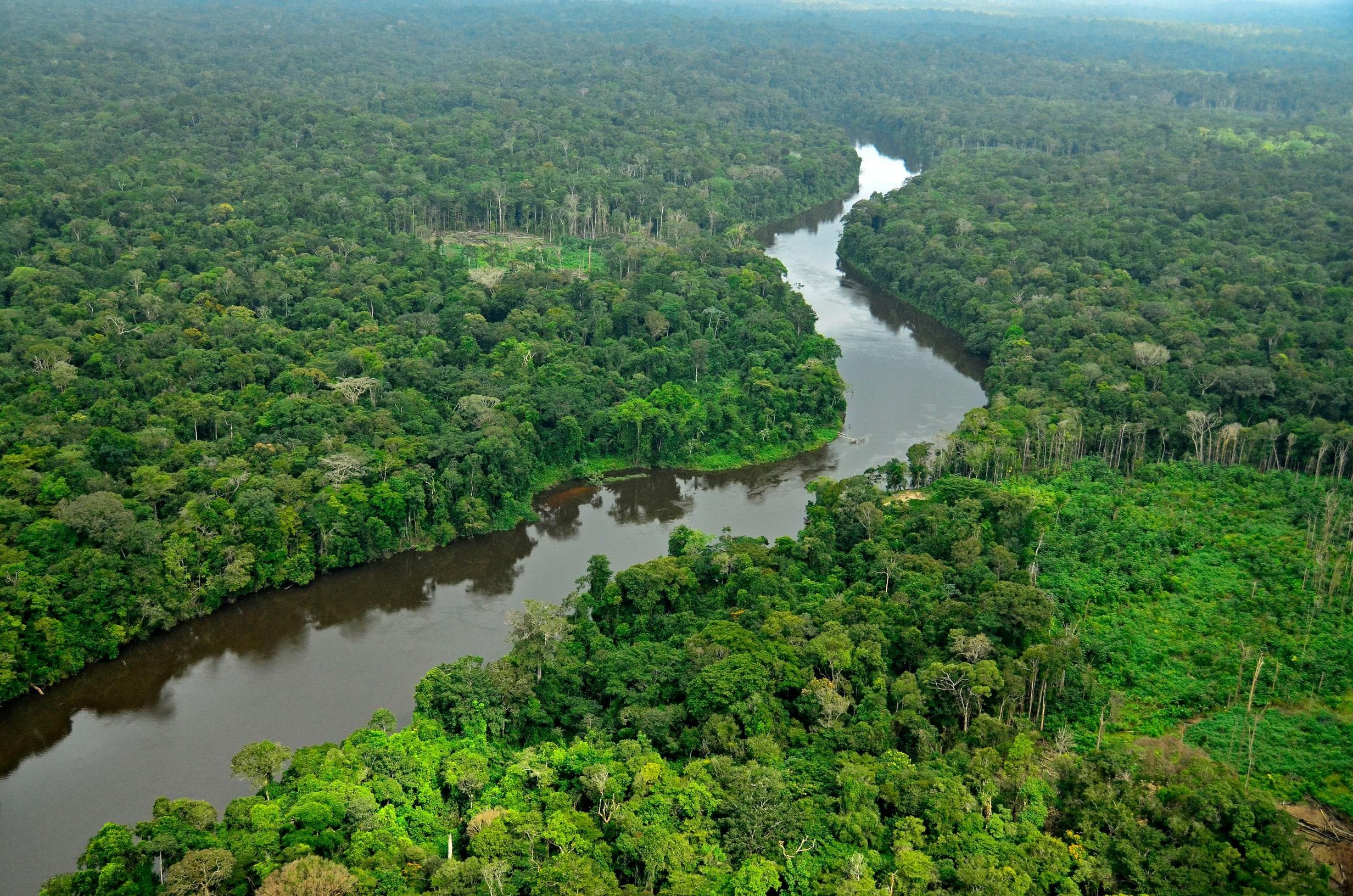
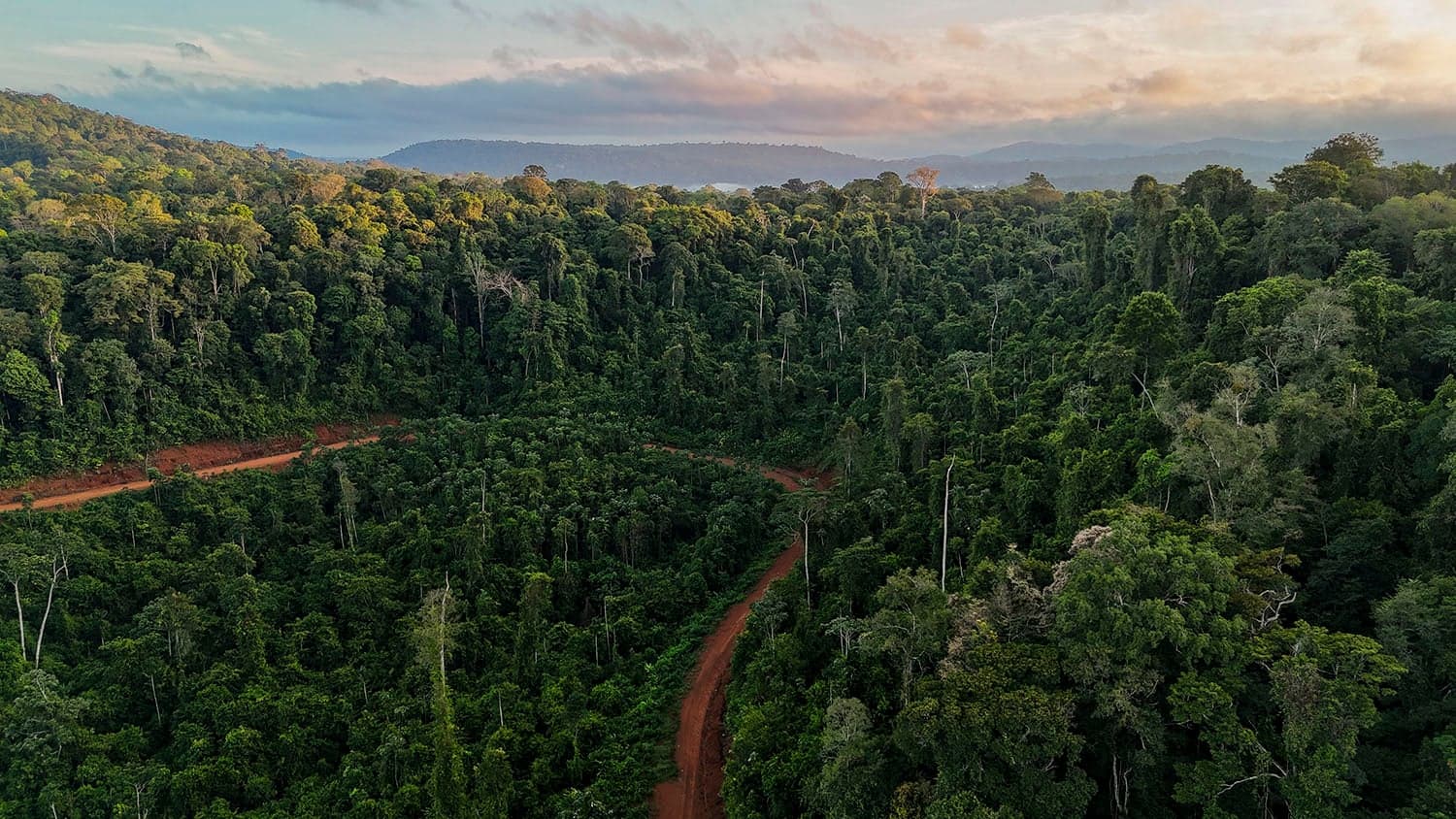
Just beyond the reservoir lies the Central Suriname Nature Reserve, a UNESCO World Heritage site covering over 1.6 million hectares of tropical rainforest. This is one of the last intact tropical ecosystems in the Americas. While the reserve itself does not offer vegetarian restaurants, its presence emphasizes the region’s commitment to conservation. Traveling here is an exercise in immersion. The air is thick with humidity and the scent of wet earth. The silence is broken only by the calls of howler monkeys and the distant hum of boat engines.
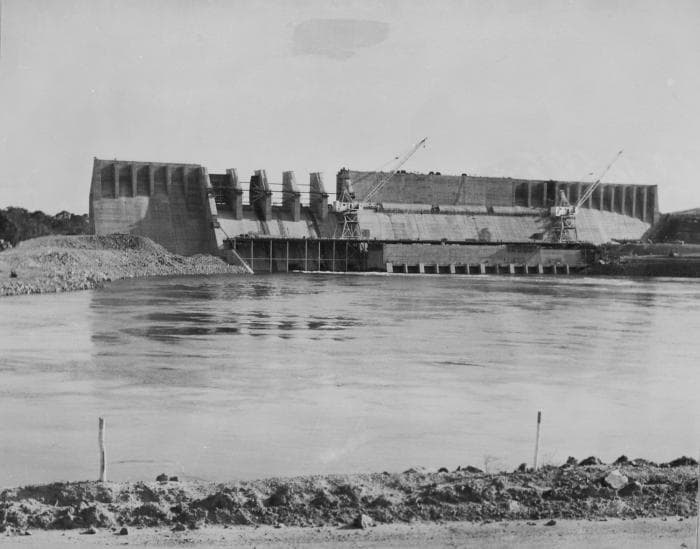
The Afobaka Dam stands as a testament to engineering in the wild. It is a stark concrete structure amidst the green, a reminder of human intervention in a landscape that otherwise resists it. Visiting the dam area provides a unique perspective on the scale of the reservoir. It is a place for quiet contemplation rather than bustling activity. For the vegan traveler, this landscape offers a profound connection to nature, reinforcing the ethical underpinnings of a plant-based lifestyle.
Sourcing Your Meals
Since dedicated vegetarian restaurants are scarce in Brokopondo town, your kitchen becomes your primary dining room. The key to success is sourcing. Local markets are your best ally. Here, you will find an abundance of fresh produce that is often cheaper and more vibrant than what you might find in Paramaribo or abroad.
Look for plantains, yams, cassava, and a variety of tropical fruits like mangoes, papayas, and pineapples. These ingredients form the backbone of many Surinamese dishes. You will also find roti and pom, traditional breads that are often vegan by default, though you should always check for dairy or egg content if you are strict. Saramacca rice, a local variety, is a staple carbohydrate that pairs well with vegetable curries.
While no specific dish is unique to Brokopondo, the broader Surinamese cuisine offers plenty of plant-based options. Javanese and Hindustani influences have introduced rich, spice-heavy vegetarian curries to the national diet. In the market, you can buy pre-made vegetable curries or buy the raw ingredients to cook yourself. If you are staying in a lodge with kitchen facilities, this is the way to go. Prepare simple meals using local produce: stir-fried yam with coconut milk, grilled plantains, or fresh fruit salads.
For those who prefer not to cook, options are limited. Small local eateries may offer rice and beans or vegetable sides, but communication is key. Learn a few basic phrases in Sranan Tongo or Dutch to ask if a dish contains meat or fish broth. Most locals are friendly and willing to help, but assumptions can lead to disappointment.
Getting Around Brokopondo
Suriname has no active public passenger railway system serving Brokopondo. While there have been discussions about reopening lines between Paramaribo and Onverwacht, the network remains defunct for passengers. This means your transport options are limited to road and water.
The primary mode of transport from Paramaribo is by bus or car along the north-south highway. The journey takes approximately two hours. Buses are affordable and offer a glimpse into local life, but they can be crowded and uncomfortable for those with back issues. Renting a car provides more flexibility, allowing you to stop at viewpoints along the way. However, driving in Suriname requires caution. Roads can be narrow, poorly lit, and shared with livestock and pedestrians.
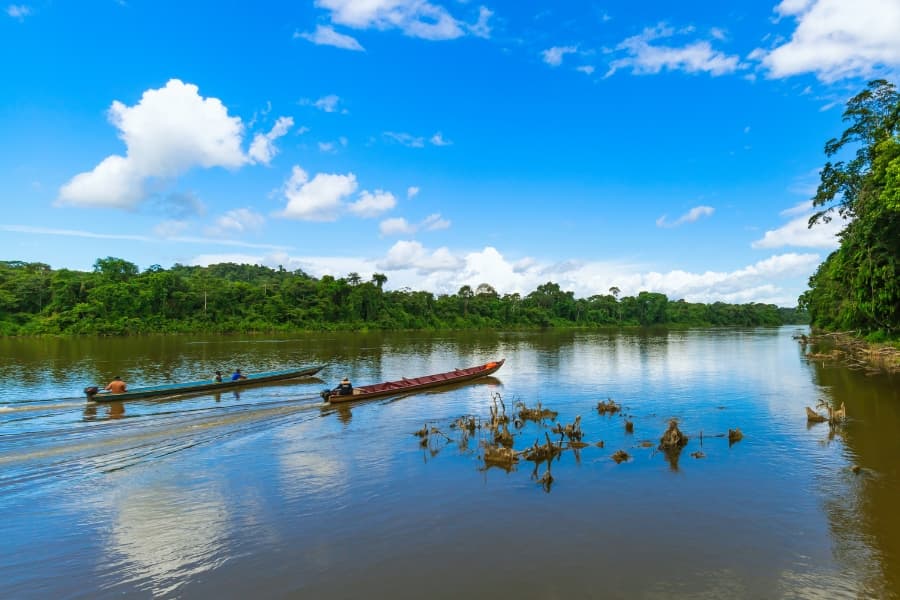
Once in Brokopondo, boat transport becomes essential. The reservoir is vast, and many areas are only accessible by water. Boats are used for fishing, transport, and tourism. If you plan to explore the reservoir or visit nearby villages, hiring a local boatman is necessary. Ensure you agree on the price before setting off. Boat schedules are less reliable during the rainy seasons, so plan your water-based activities carefully.
When to Go and Who It’s For
Timing is critical in Brokopondo. The best time to visit is during the dry seasons: February–March and September–October. During these months, roads are more passable, and boat schedules are more reliable. Visibility is better, making it easier to navigate the reservoir and explore the rainforest.
Avoid the long rains (April–August) and short rains (November–January). During these periods, roads can become muddy and slippery, and heavy rain can reduce visibility to near zero. Boat trips may be canceled due to high water levels and strong currents. If you are traveling during the rainy season, be prepared for delays and limited mobility.
This destination is best suited for solo travelers, couples, or small groups who are comfortable with slow travel and self-sufficiency. It is not ideal for families with young children or those who require strict dietary accommodations. You should plan to stay for at least three to four days to fully appreciate the landscape and adjust to the pace of life here. There are no major holidays in the next six months that will impact travel, so you can expect a relatively quiet experience.
Practical FAQs
Is it easy to find vegan food in Brokopondo? No. There are no dedicated vegan restaurants. You will need to rely on local markets for fresh produce and prepare your own meals, or find simple plant-based dishes like rice and beans at local eateries.
How do I get from Paramaribo to Brokopondo? By bus or car along the north-south highway. The journey takes about two hours. There is no rail service.
What should I pack for a vegan trip here? Pack a portable water filter, a lightweight camping stove if you plan to cook, and basic spices. Also, bring insect repellent and rain gear, especially if visiting during the shoulder seasons.