Lima, Peru’s capital, is a vibrant metropolis where colonial architecture meets modern innovation — and where the soul of the nation’s cuisine thrives. As spring unfolds in 2026, the city’s food scene awakens with fresh produce, seasonal seafood, and centuries-old traditions that make every bite an adventure. Whether you’re savoring ceviche under the sun or indulging in a hearty lomo saltado, Lima’s culinary landscape offers something for every palate — and every traveler. This guide will help you navigate the city’s most iconic dishes, hidden gems, and essential dining etiquette, ensuring your taste buds are as satisfied as your itinerary.
The Heart of Peruvian Cuisine: Ceviche and More
No visit to Lima is complete without tasting ceviche — the national dish that has become a global sensation. In Peru, ceviche is more than a seafood salad; it’s a celebration of freshness, acidity, and cultural pride. The dish typically features raw fish (often sea bass or corvina) marinated in lime juice, seasoned with chili, onion, and cilantro, and served with sweet potato or corn. In Lima, you’ll find variations across neighborhoods, from the coastal-style ceviche of Miraflores to the more robust versions in the historic center.
For a true taste of Lima’s culinary heritage, head to the historic district of Barranco or the trendy neighborhood of Miraflores, where local chefs reinterpret traditional recipes with modern flair. 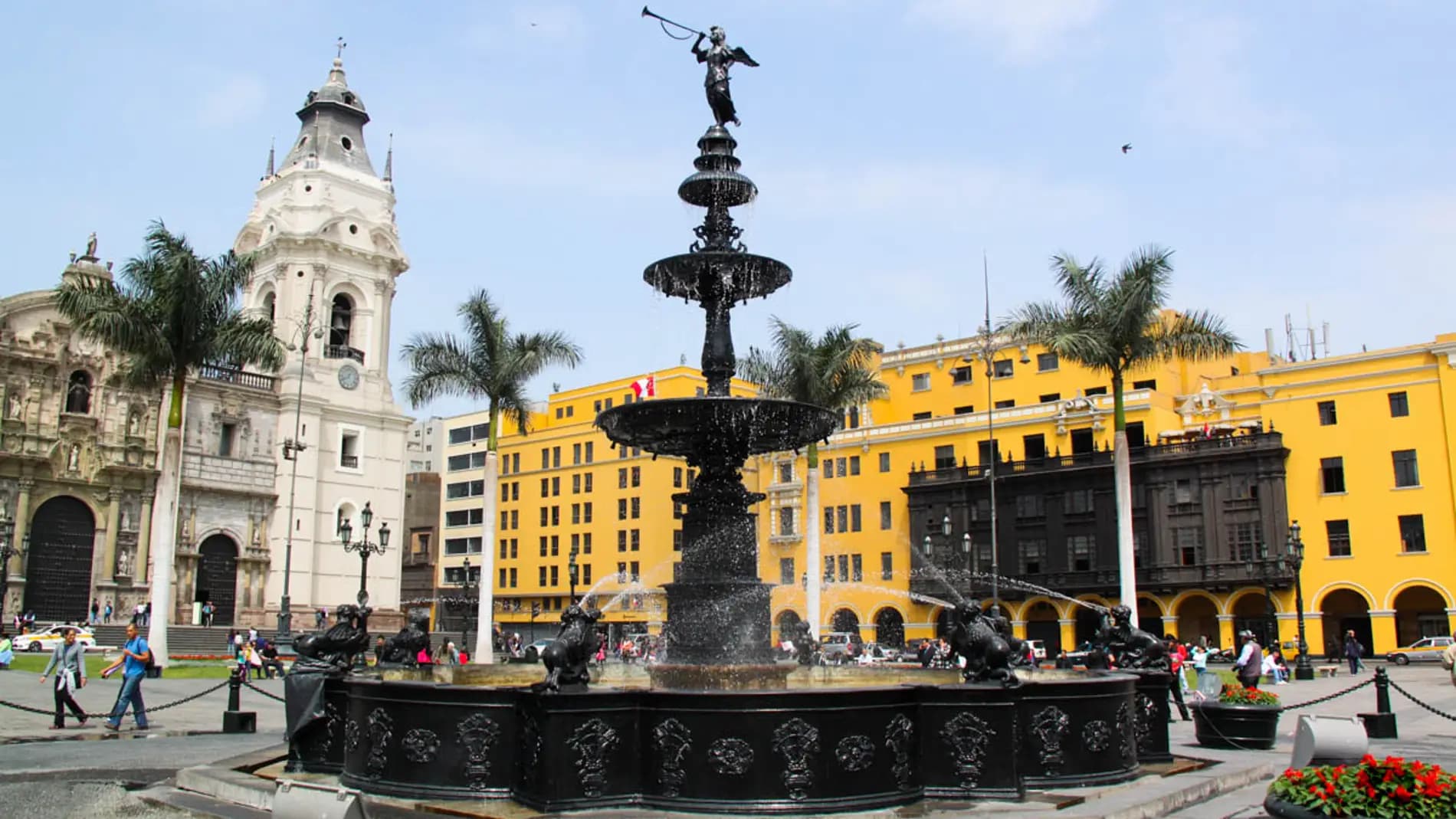
Street Food: The Soul of Lima’s Daily Life
Lima’s streets are alive with the sizzle of grills, the aroma of fresh corn, and the chatter of locals enjoying affordable, delicious bites. Street food is not just a meal — it’s an experience. Try the iconic anticuchos (grilled beef heart skewers) at a local stand in the Plaza de Armas or sample the sweet, chewy churros with chocolate sauce from a vendor near the Malecón. Don’t miss the fresh, spicy ají de gallina — a creamy chicken stew with a kick — often sold in small portions at street carts.
For a springtime treat, seek out the seasonal fruits and juices sold at street stalls. The city’s markets, such as the Mercado de Surco or the Mercado Central, offer an explosion of colors and flavors, from exotic tropical fruits to artisanal drinks. 
Lima’s Iconic Dishes: Beyond Ceviche
While ceviche is Lima’s crown jewel, the city boasts a rich tapestry of dishes that reflect its diverse cultural influences. Lomo saltado — stir-fried beef with onions, tomatoes, and french fries — is a beloved staple that blends Chinese and Peruvian flavors. Another must-try is causa rellena, a layered potato dish filled with seafood, chicken, or avocado, often served with a tangy sauce. For vegetarians, the ceviche de camarones (shrimp ceviche) or the ají de gallina verde (green version) offer satisfying alternatives.
Don’t forget to sample the traditional pisco sour — Peru’s national cocktail — at a rooftop bar or a cozy café. The pisco, a grape brandy, is often paired with lime juice and egg white, creating a refreshing, slightly sweet drink perfect for spring evenings. 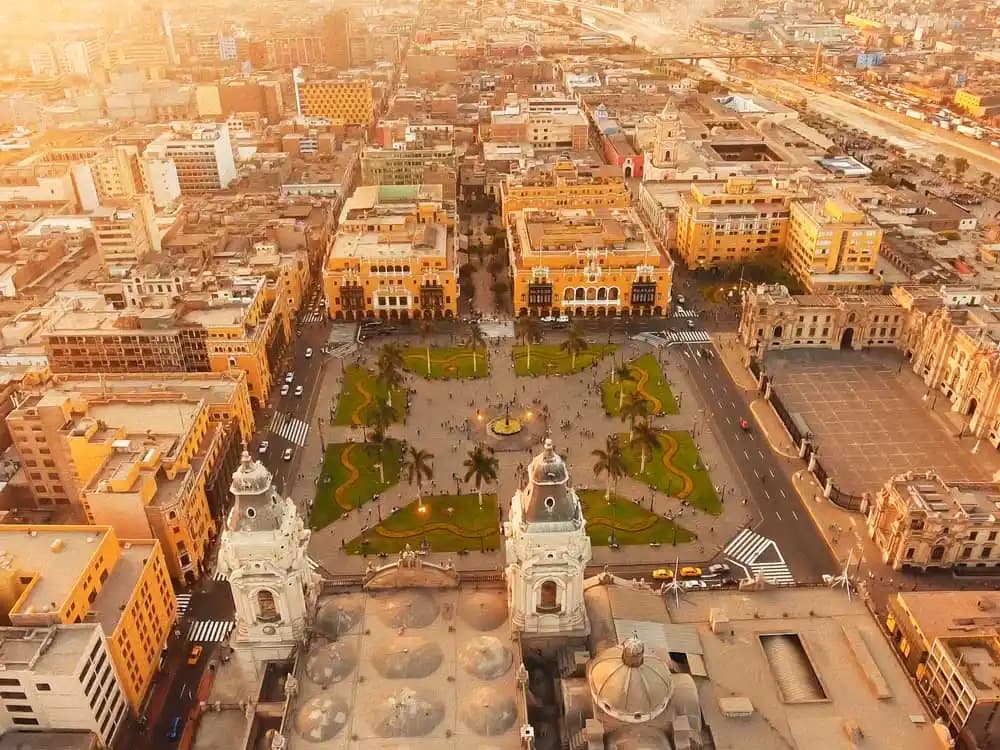
Hidden Gems: Local Favorites You Won’t Find in Tourist Guides
Lima’s culinary scene is as diverse as its neighborhoods. While tourist hotspots like Miraflores and San Isidro offer excellent dining, the real magic lies in the hidden corners. In the bohemian district of Barranco, tucked away in a small alley, you’ll find tiny eateries serving authentic dishes like anticuchos and ceviche. The neighborhood is also known for its vibrant street art and local markets, making it a perfect spot for a leisurely afternoon stroll.
In the historic center, the neighborhood of San Miguel is a treasure trove of local flavors. Here, you’ll find small, family-run restaurants serving traditional dishes like causa rellena and ají de gallina, often with a personal touch. For a unique experience, try the ceviche de camarones at a local stand near the Plaza de Armas — a dish that’s been passed down through generations. 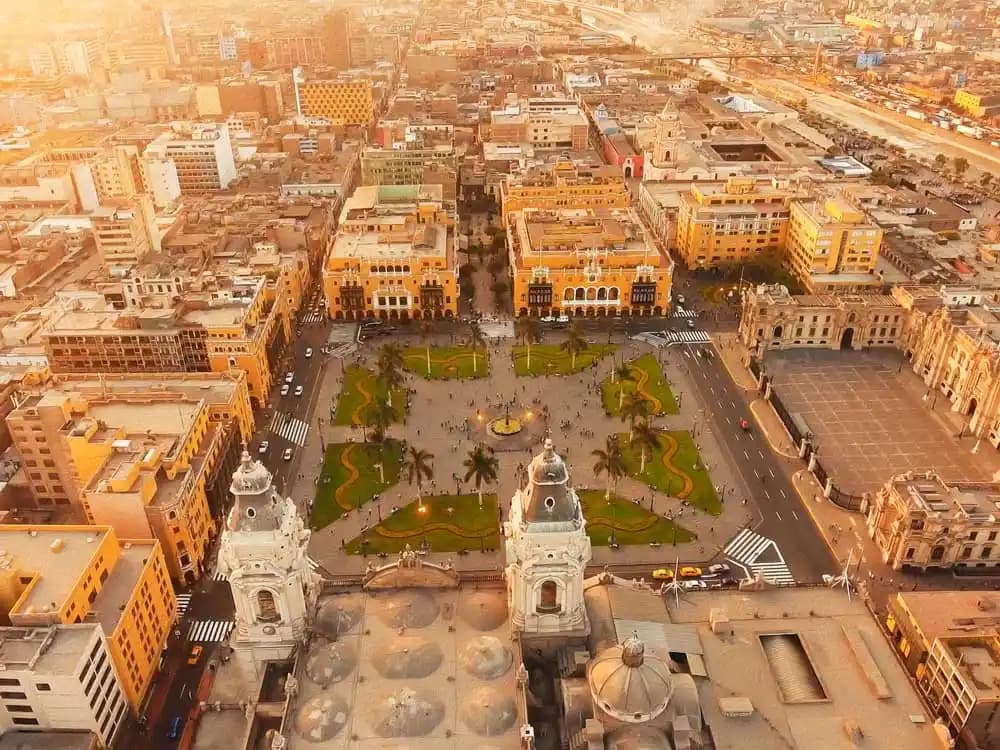
Dining Etiquette and Tips for First-Timers
When dining in Lima, it’s important to understand local customs. Many restaurants serve ceviche with a side of sweet potato or corn, which is traditional. Be sure to ask for the “pisco sour” if you’re looking for a drink — it’s a local favorite. When ordering, don’t be afraid to ask for recommendations — locals are often happy to share their favorite spots.
For a more authentic experience, consider dining at a local market or food stall. Many vendors offer affordable, delicious meals that are perfect for trying new flavors. Just be sure to wash your hands before eating, and always check for freshness — Lima’s food scene is known for its quality, but it’s always good to be cautious.
The Best Time to Eat: Spring in Lima
Spring in Lima (roughly March to May) is the perfect time to explore the city’s culinary scene. The weather is mild, the produce is fresh, and the seafood is at its best. Many restaurants offer seasonal menus featuring local ingredients, making it an ideal time to try dishes like ceviche, ají de gallina, and causa rellena.
For a truly memorable experience, plan your meals around the city’s festivals and events. In spring, you’ll find many cultural celebrations, from the Festival de la Ceviche to the Feria de la Cerveza, which offer a chance to sample local dishes and drinks. 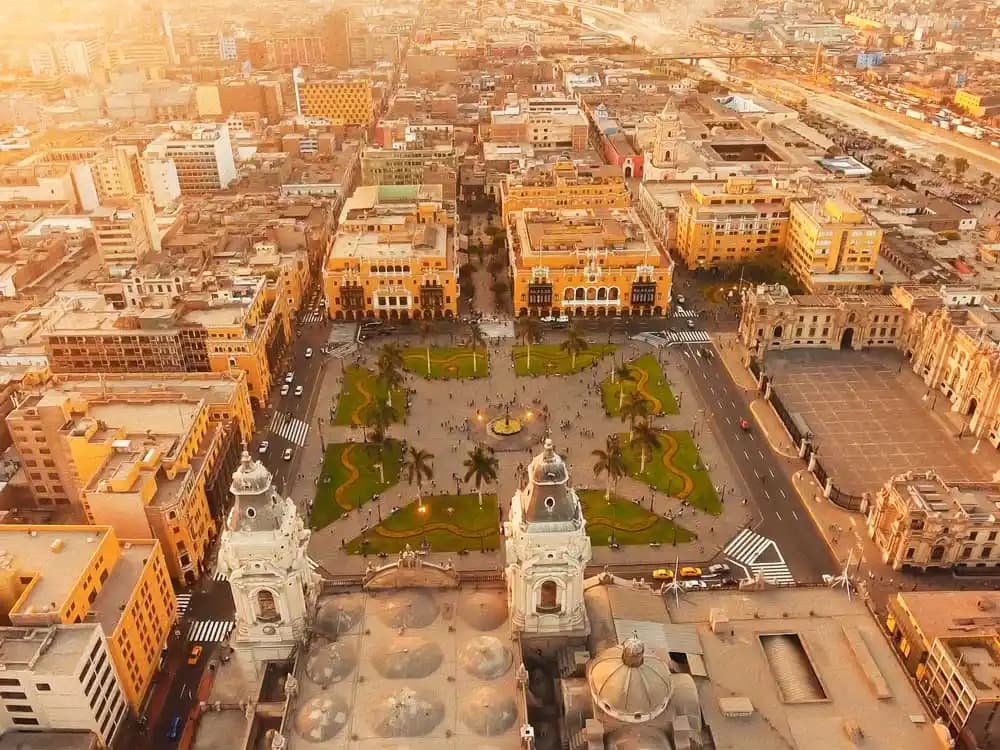
In conclusion, Lima’s culinary landscape is a celebration of tradition, innovation, and flavor. Whether you’re savoring ceviche under the sun or indulging in a hearty lomo saltado, the city’s food scene offers something for every palate — and every traveler. So, pack your appetite and get ready to explore the vibrant, delicious world of Lima’s cuisine.