Skip the tourist traps. Dine where locals eat for under SGD 10 at Singapore’s legendary hawker centres.
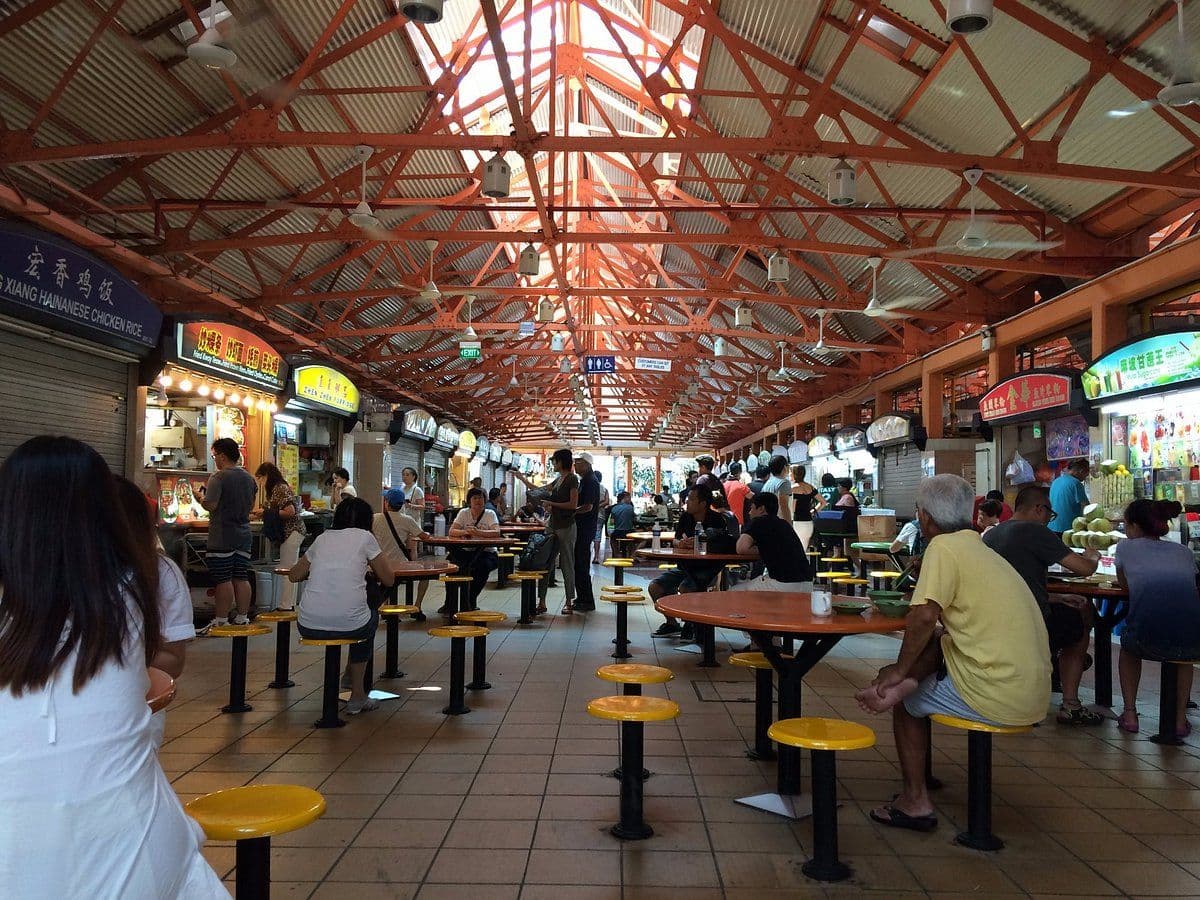
The steam rising from a wok in a Singapore hawker centre carries a distinct perfume: roasted spices, fermented sauces, and the sharp tang of fresh chilies. This aroma signals a culinary ecosystem that feeds millions daily. In Singapore, the best food is rarely found in air-conditioned malls or high-end hotels. It is found in open-air complexes where plastic tables and stools are occupied by office workers in shirts and engineers in hard hats, all sharing the same communal space. Here, a full meal costs less than SGD 10, a fact that anchors the city’s dining culture in accessibility rather than exclusivity. To eat well in Singapore is to navigate its hawker centres, a network of over 110 facilities housing more than 6,000 stalls.
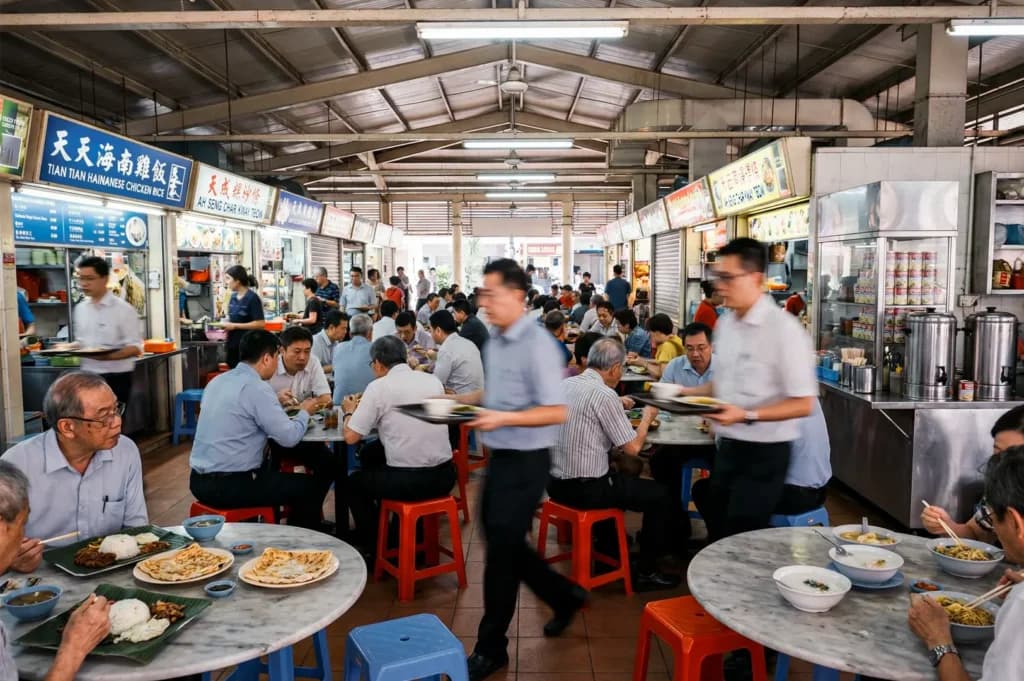
The Heart of the Meal: Hainanese Chicken Rice
Hainanese chicken rice defines Singapore’s palate. Often cited as the national dish, it is a study in simplicity and technique. Originating from Hainanese immigrants in the 1920s, the dish features poached chicken that is tender enough to slide off the bone, served over rice cooked in rich chicken broth and aromatics. The magic lies in the accompaniments: a house-made chili sauce that balances heat and sweetness, a pungent ginger paste for depth, and dark soy sauce for color and salt.
In Singapore, Hainanese chicken rice is a serious culinary craft. The rice must be oily and fragrant, clinging together in a glistening mound. The chicken skin should be crisp yet yielding, while the meat remains juicy. You will find this dish in nearly every hawker centre, but the quality varies significantly. Look for stalls with long queues during peak lunch hours. This is the most reliable indicator of consistent quality. A plate typically includes half or whole chicken portions, allowing you to control the ratio of meat to rice. It is a meal that requires no fork or knife, just a pair of chopsticks and a napkin, embodying the pragmatic efficiency of Singaporean dining.
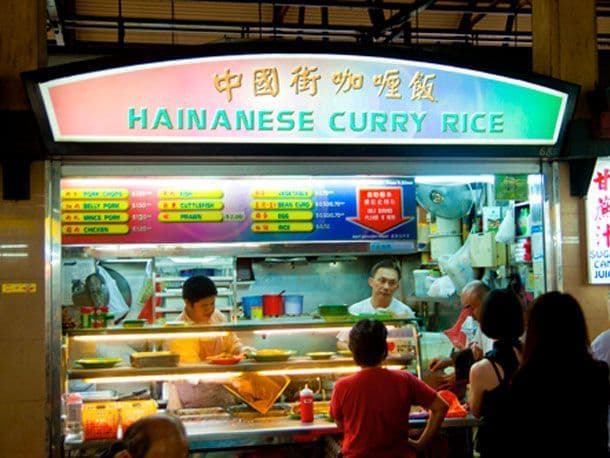
Navigating the Hawker Centre Landscape
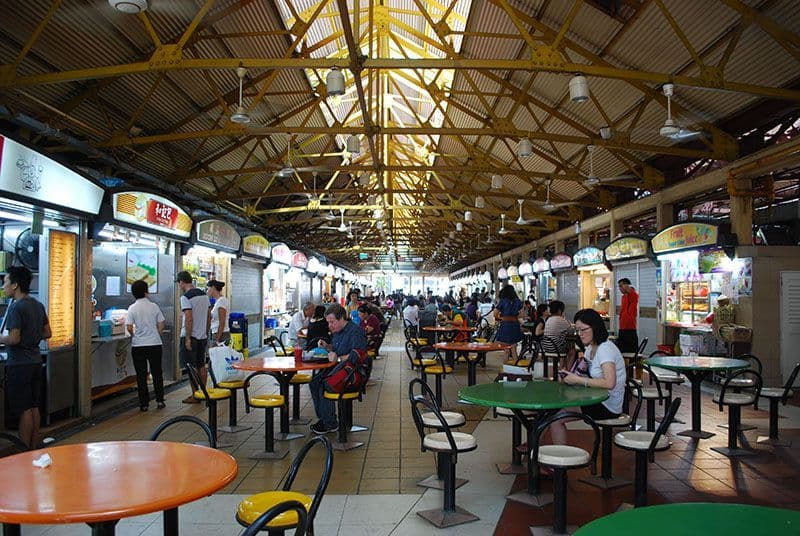
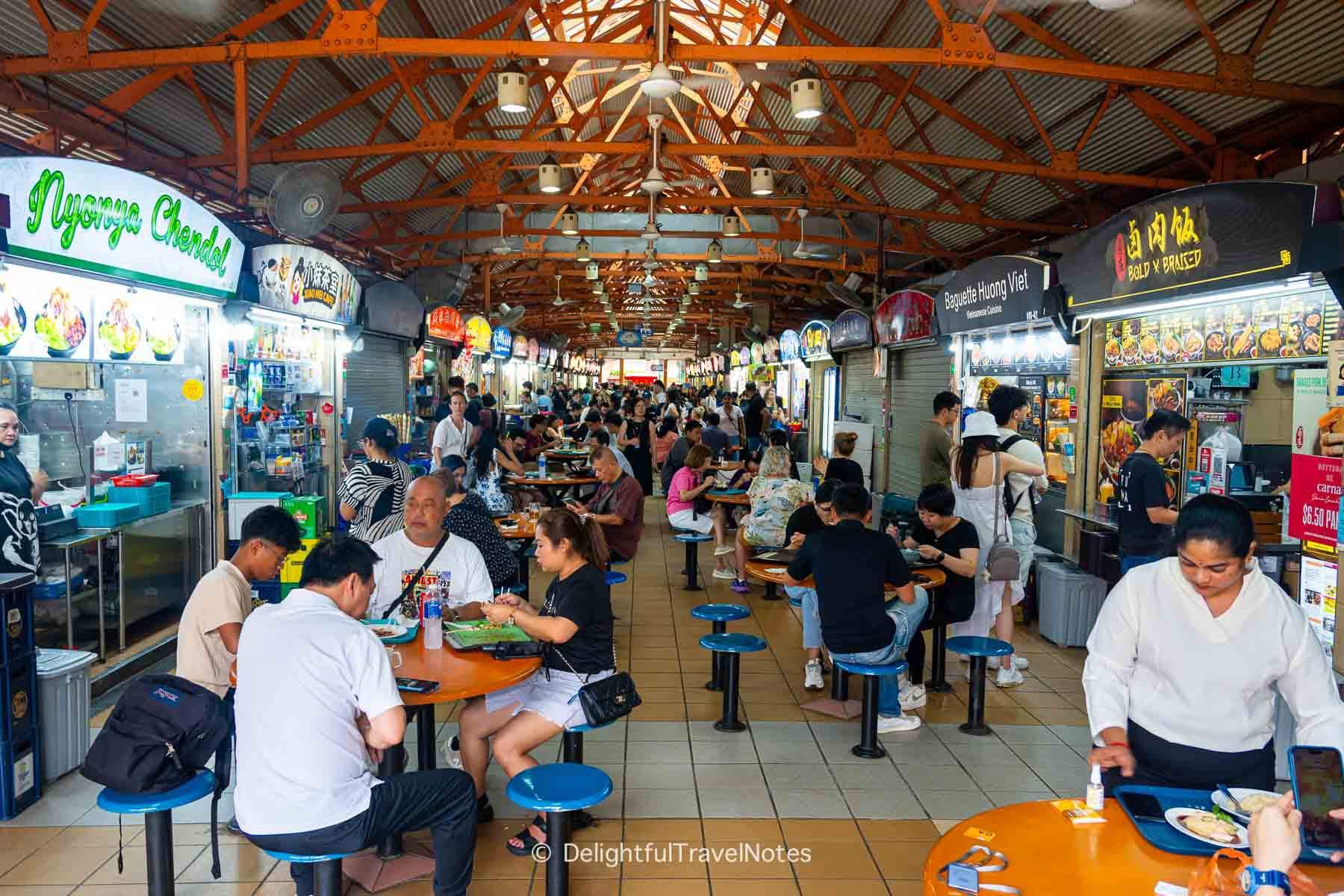
A hawker centre is more than a food court. It is a social institution. These centers are structured as large, covered markets where individual vendors operate stalls selling specific specialties. One stall might specialize only in laksa, another in char kway teow, and another in curry puffs. This specialization allows vendors to master their craft, resulting in higher quality than a multi-item menu might permit.
The atmosphere is lively and unpretentious. You will hear the clatter of plates, the hiss of woks, and the murmur of conversations in multiple languages. Dining here is an exercise in situational awareness. Tables are shared among strangers, so it is customary to wipe down your surface before sitting and to clear your tray immediately after eating to free up space for others. This etiquette keeps the flow moving in these high-turnover environments. With over 110 centers across the island, you are rarely far from a meal. Whether you are near the historic gardens of Singapore Botanic Gardens or the modern skyline of Marina Bay Sands, a hawker centre is usually within walking distance or a short MRT ride.
Beyond Chicken Rice: A Taste of Diversity
While Hainanese chicken rice is the flagship, Singaporean Chinese cuisine offers a broader spectrum of flavors derived from southern Chinese immigrant traditions, including Hokkien, Teochew, Cantonese, and Hakka influences. In the hawker centers, you will encounter dishes that reflect this diversity. Try char kway teow, stir-fried flat rice noodles cooked with dark soy sauce, prawns, and egg, often showing signs of wok hei—the breath of the wok, a smoky flavor imparted by high-heat cooking. Alternatively, explore laksa, a spicy noodle soup with a creamy coconut milk base, which varies in style depending on the vendor’s lineage.
For those seeking non-Chinese options, Malay and Indian stalls provide equally compelling choices. Roti prata, a flaky flatbread eaten with curry or sugar, is a breakfast staple. Fish head curry, served with a tamarind-based gravy and vegetables, offers a robust, sour-spicy contrast to the richer Chinese dishes. The fusion of these culinary traditions means that a single hawker centre can offer a microcosm of Southeast Asian flavors. The key is to sample widely. Order small portions from different stalls to experience the range without overwhelming yourself. This approach is both economical and educational, allowing you to map the city’s taste profile through direct experience.
Practical Logistics: Getting There and Paying
Navigating Singapore to reach these food hubs is straightforward thanks to the Mass Rapid Transit (MRT) system. Operated by SMRT Corporation and SBS Transit, the MRT is clean, efficient, and extensive. The network includes six lines: the North–South Line, East–West Line, North East Line, Circle Line, Downtown Line, and Thomson–East Coast Line. These lines intersect at key nodes, making it easy to hop from one district to another. For instance, the East–West Line passes near Chinatown, a historic district with its own cluster of hawker stalls, while the Downtown Line connects to newer developments.
Payment is mostly cashless. Most stalls accept EZ-Link cards, NETS flash cards, and increasingly, mobile payments like PayNow or credit cards. However, some older stalls may still prefer cash, so carrying a small amount of Singapore dollars (SGD) in notes is prudent. Prices remain remarkably affordable compared to Western standards. A typical meal at a hawker centre costs under SGD 10 per person. This includes the food and sometimes a drink. Service charges are generally not added, and tipping is not expected or practiced in these settings. The Land Transport Authority (LTA) oversees the infrastructure, ensuring that the transit network remains reliable, but the food stalls themselves are independently run, contributing to the unique character of each center.
When to Go and Who It’s For
Singapore’s tropical climate means it is hot and humid year-round. The best time to visit depends less on weather and more on crowd levels. The upcoming National Day on August 9, 2026, and the observed day on August 10 will bring increased demand, surge pricing for accommodations, and crowded public spaces. Plan to book transit and lodging well in advance if traveling during this period. Later in the year, Deepavali in November 2026 and Christmas in December 2026 also draw larger crowds, particularly in districts like Little India and Chinatown.
For food-focused travelers, weekdays offer the most authentic experience. Lunch hours (12:00 PM – 2:00 PM) are the busiest, providing a glimpse into the daily rhythm of local life. Evening meals are slightly quieter but still lively. This destination suits families, solo travelers, and slow travelers alike. Families will appreciate the variety of mild and flavorful options, while solo travelers can easily dine alone without stigma. Slow travelers can spend days exploring different hawker centers, treating each meal as a destination in itself. With a stay of four to five days, you can cover the major culinary zones—from the traditional streets of Chinatown to the modern precincts near Gardens by the Bay—without rushing.
FAQ
Is it safe to eat street food in Singapore? Yes. Hawker centres are regulated by the Singapore Food Agency and undergo regular hygiene inspections. They are generally cleaner and safer than informal street food vendors in many other countries. Look for centers with high turnover and visible cleanliness.
Do I need to bring my own chopsticks? No. Chopsticks and spoons are provided free of charge at almost all stalls. If you forget, simply ask the vendor.
Can I use credit cards everywhere? Most stalls accept EZ-Link cards and mobile payments, but cash is still widely used. Carry small denominations of SGD for stalls that do not accept digital payments.
Singapore’s hawker culture is a living museum of flavor, history, and community. By stepping into these vibrant centers, you gain access to the true heart of the city. Ready to explore? Start your journey at a nearby MRT station, follow the scent of charred woks, and let the queue guide you to your next great meal.