Opuwo is the capital of the Kunene Region. You stay not for luxury, but to face the silence of the Kaokoveld and the weight of the Himba presence.
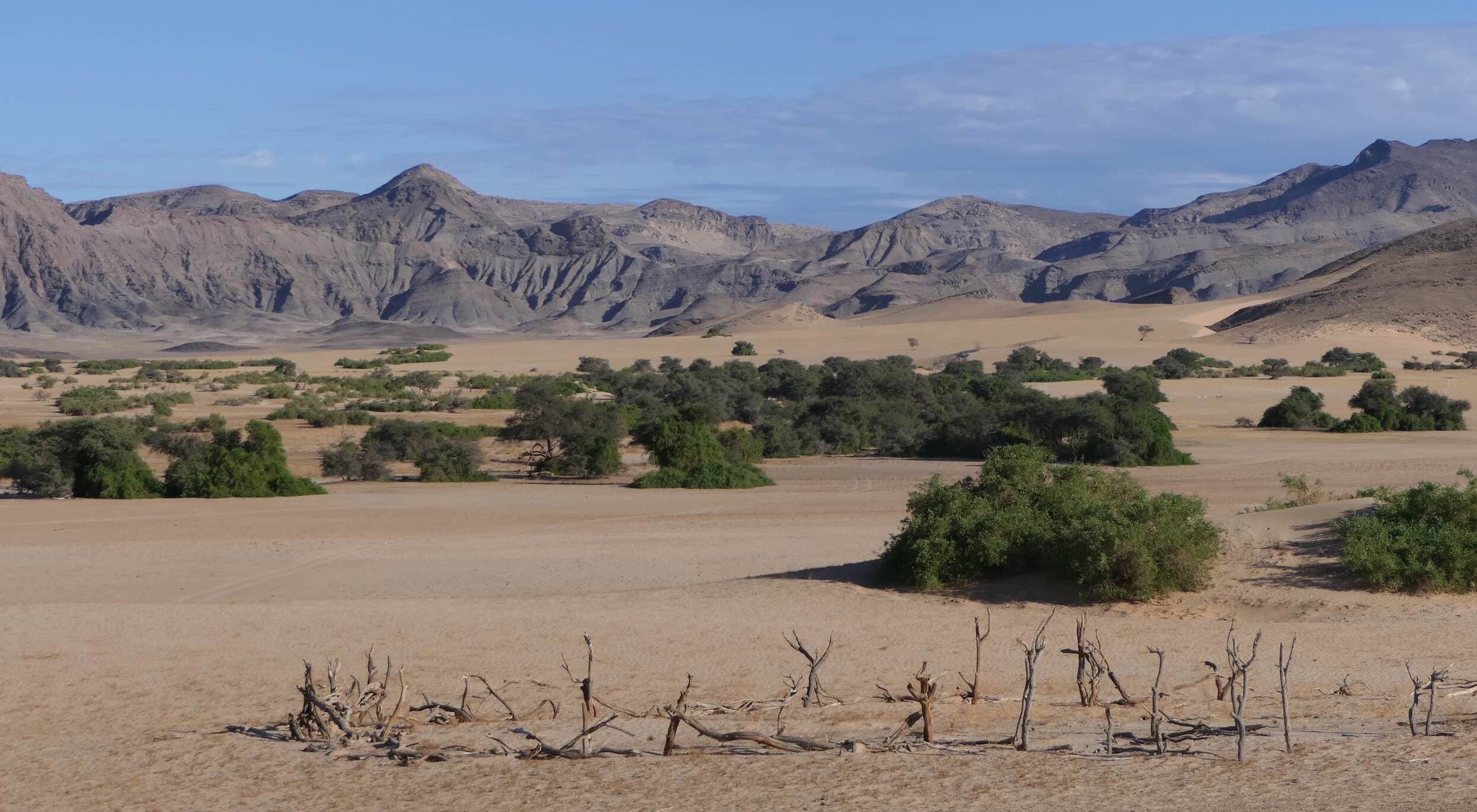
The dust in Opuwo does not settle. It hangs in the air, a fine, red suspension that coats the windshields of the few cars that make the long drive from Windhoek. This place tests your resolve. You arrive here, in the north-western corner of Namibia, because you have accepted that comfort is secondary to observation. The town is small, a population of roughly 12,000 souls scattered across a landscape that feels older than the concept of borders. It serves as the administrative center of the Kunene Region, but it feels more like a waypoint. A checkpoint before the true wilderness begins.
When you look for a place to sleep in Opuwo, you are not looking for a resort. You are looking for a roof that can withstand the wind and a bed that allows you to rest before the sun demands your attention again. The accommodation options are sparse. They are functional. They do not pretend to be anything other than what they are: shelters in a vast, indifferent landscape.
Where to Stay
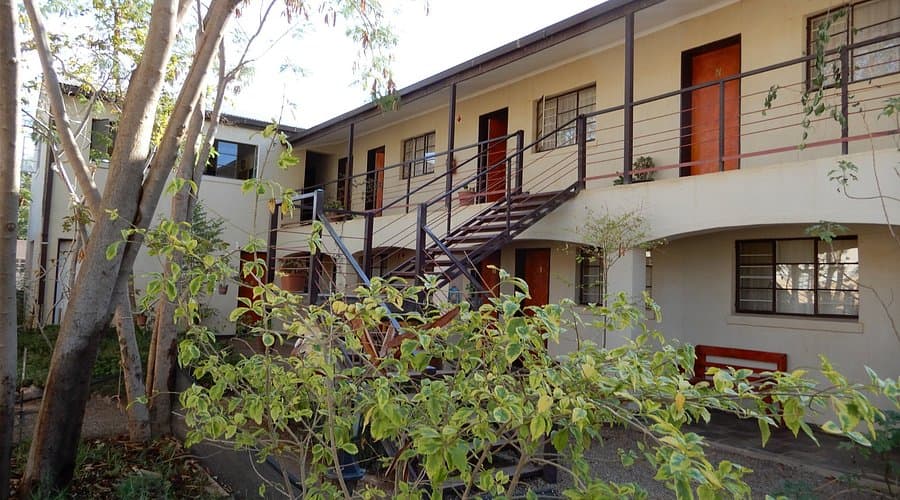
The lodging market in Opuwo is defined by its simplicity. There are no five-star hotels here. There are no lobbies with chandeliers. There are rooms, some with private bathrooms, some without, all facing the same horizon. The prices reflect this austerity. Budget options can start at approximately $10 USD per night. This represents the baseline cost of entry. You pay for the floor, the walls, and the proximity to the road.
Most travelers settle into guesthouses located within the town center. These establishments are often family-run. The owners understand the rhythm of the region. They know when the safari vehicles will return from the Kaoko Otavi Wildlife Reserve and when the cultural tours to the Himba villages will depart. Staying in the center means you are within walking distance of the few shops that supply water, fuel, and basic provisions. It also means you are closer to the noise of the town at night—the generators humming, the voices of locals speaking Otjiherero.
If you prefer distance from the town’s activity, there are lodges slightly outside the main cluster. These are often associated with the nearby wildlife reserves. They offer a quieter environment, but they require a vehicle to access. The trade-off is clear: isolation for convenience. In Opuwo, you choose which variable you are willing to sacrifice. There is no middle ground.
The Landscape of Choice
Your choice of accommodation is dictated by your itinerary. If you are heading to the Epupa Falls, you might stay in Opuwo as a final stop before crossing into Angola or returning south. The falls are a major attraction, a violent disruption in the flow of the Kunene River. Seeing them requires a journey, and Opuwo serves as the staging ground. The lodges here are aware of this. They provide maps, they offer advice on the road conditions, and they do not promise what they cannot deliver.
For those interested in the Petrified Forest, the stay is brief. It is a geological curiosity, a testament to time’s ability to turn wood to stone. You visit, you observe, you leave. The accommodation in Opuwo supports this transient existence. It serves the pause. The pause between the drive in and the drive out. The pause between the noise of the world and the silence of the desert.
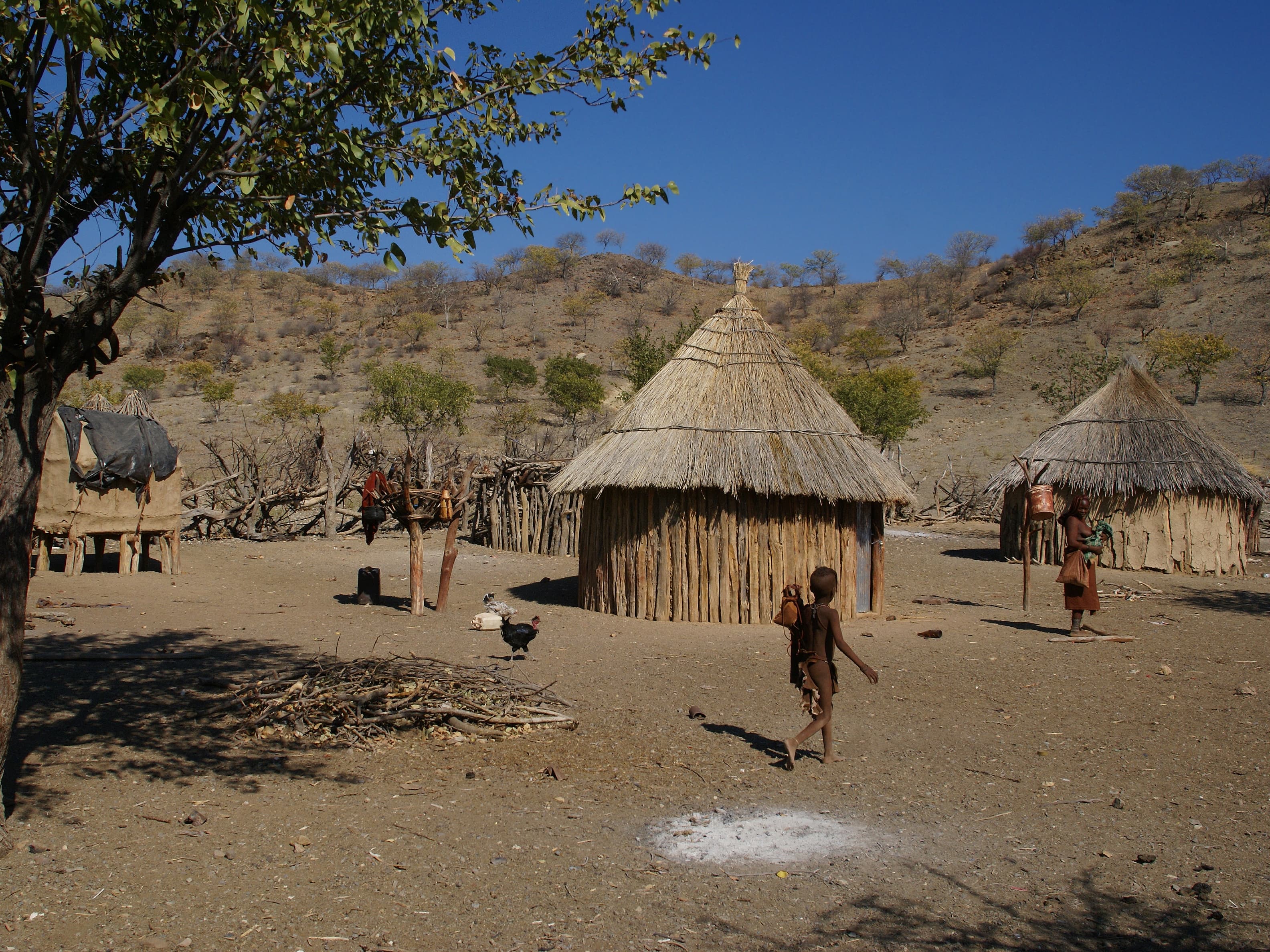
The Himba villages are another reason to be here. The culture of the Himba people is distinct, rooted in traditions that predate the modern state. To visit them is to witness a way of life that operates on different rules. The guesthouses in Opuwo often arrange these visits. They act as intermediaries, ensuring that the interaction is respectful and that the boundaries are clear. You do not stay in the villages; you stay in Opuwo, and you go to them. The separation is intentional. It preserves the integrity of both places.
Practical Realities
Money in Opuwo is a practical concern. The local currency is the Namibian Dollar, which is pegged to the South African Rand. Credit cards are not universally accepted. Cash is king. You should arrive with enough local currency to cover your stay, your meals, and your transport. ATMs are limited. If you run out, options are extremely limited. There is no emergency service that will deliver funds to the middle of the Kunene Region.
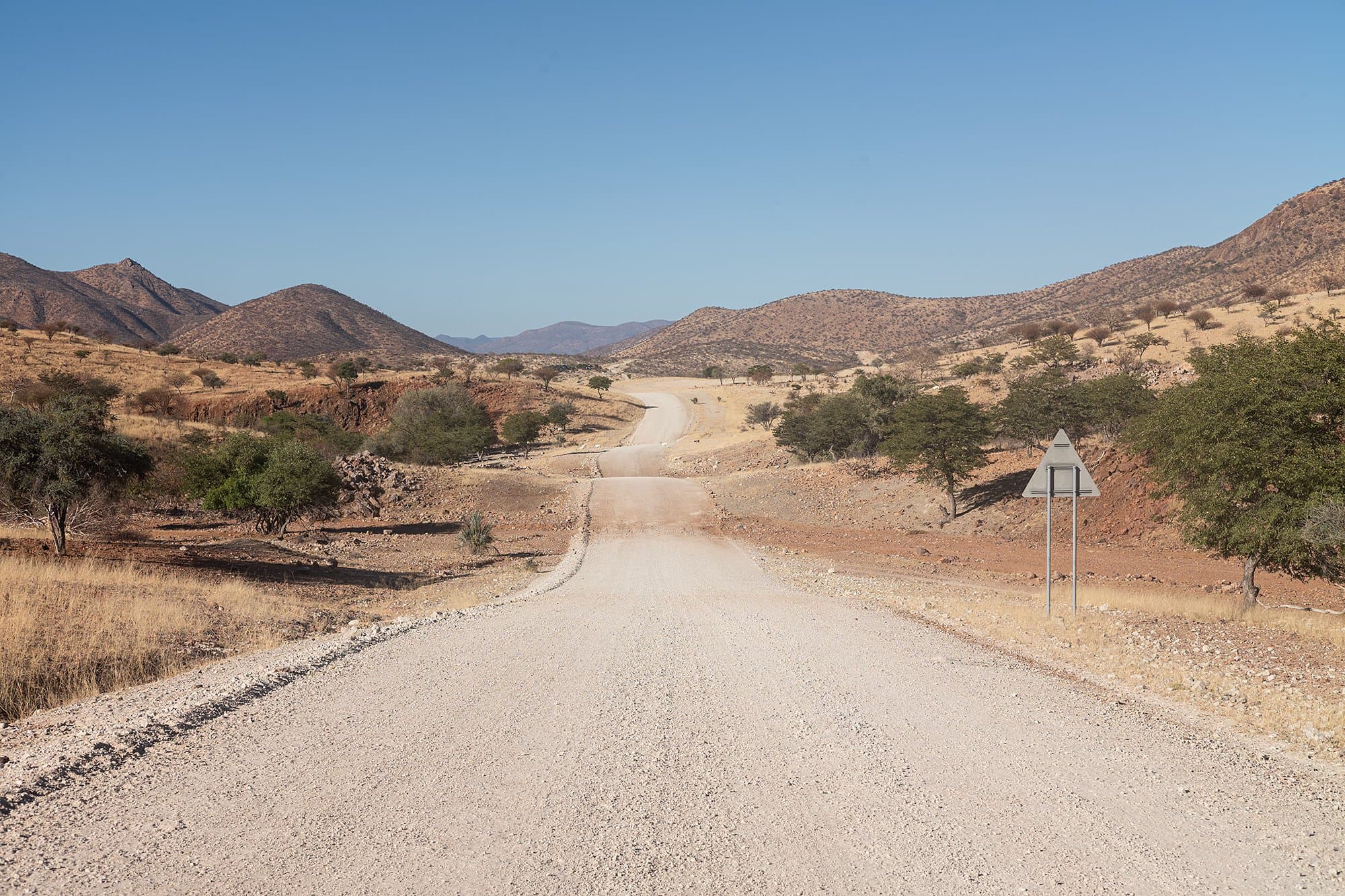
Transport is equally unforgiving. There is no railway line serving Opuwo. There is no public bus system that runs on a reliable schedule. You need a vehicle. A 4x4 is recommended, especially if you plan to venture into the Kaoko Otavi Wildlife Reserve or to the Himba villages. The roads are often gravel, and the distances are deceptive. A journey that looks short on a map can take hours on the ground. Fuel up in Opuwo. Do not assume there will be another station for hundreds of kilometers.
The best time to visit is during the dry season, from May to October. The weather is cooler, and the wildlife viewing in the reserves is better. The animals gather around the waterholes, making them easier to spot. During the wet season, the roads become impassable, and the mosquitoes are a constant nuisance. You choose the dry season for access. You choose it because the landscape is more readable.
Local Angle and Timing
Food in Opuwo is simple. It is fuel. You will eat Kapana, grilled beef or game meat, available from street vendors and local eateries. It is cheap, it is hot, and it is satisfying. For a more traditional experience, you might try Himba cuisine. Local establishments serve authentic dishes prepared by the local people. The flavors are earthy, rooted in the ingredients that the land provides. Do not expect variety. Expect sustenance.
National holidays bring a shift in the town’s rhythm. Days such as Heroes' Day in August or the Day of the Namibian Women in September see an influx of visitors from other parts of Namibia. Prices may rise, and availability may tighten. If you plan to stay during these times, book ahead. Do not assume you will find a room upon arrival. The same applies to peak tourist seasons. Plan your dates with care.
Opuwo demands a certain type of traveler. It is for those who understand that travel is an act of observation. It is about standing in a place that does not care if you are there, and finding meaning in that indifference. You stay in Opuwo to see the Epupa Falls, to walk through the Petrified Forest, to meet the Himba. You stay because the alternative is to remain in the cities, where the noise is louder and the silence is harder to find.
FAQ
Is it safe to stay in Opuwo? Generally, yes. It is a small town with lower crime rates than major urban centers. However, it is remote. Secure your vehicle, keep valuables out of sight, and avoid walking alone after dark. The environment itself poses more risk than the people.
Do I need a visa? It depends on your nationality. Most visitors require a visa for Namibia. Check with the nearest Namibian embassy or consulate before you travel. The process is straightforward, but it requires advance planning. Do not wait until you are at the border.
What is the best way to get to Opuwo? By road. The drive from Windhoek is long, typically taking a full day or more. Flights to nearby airstrips are limited and expensive. Driving gives you flexibility and control over your schedule. Ensure your vehicle is in good condition and carry spare tires.