Skip the tourist traps. Bweyogerere offers Kampala’s pulse without the chaos, anchored by stadiums, highways, and serious matooke.
Bweyogerere exists because the road needed somewhere to go. Located in Wakiso District, Uganda, this area is one of six townships in Kira Municipality, sitting precisely where the Kampala-Jinja Highway meets the Kampala Northern Bypass. You won’t find ancient ruins or silent temples here. You will, however, find the logistical heartbeat of Uganda’s central region. This is a place defined by movement, concrete, and the steam rising from a plate of green bananas.
The Road That Built the Town
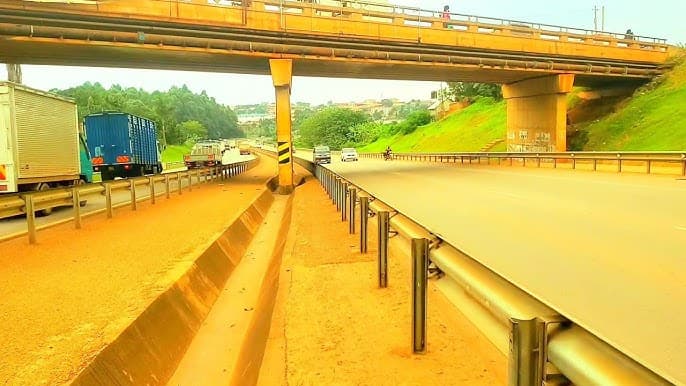
Asphalt is the primary export here. The Kampala-Jinja Highway is the arterial vein, pumping traffic from the capital city eastward toward Jinja and, eventually, Kenya. It is loud, it is busy, and it is the primary reason this township has a pulse. The real engineering flex, however, is the Kampala Northern Bypass Highway. This 21-kilometer dual carriageway splits off right here, designed to divert heavy truck traffic away from Kampala’s congested center.
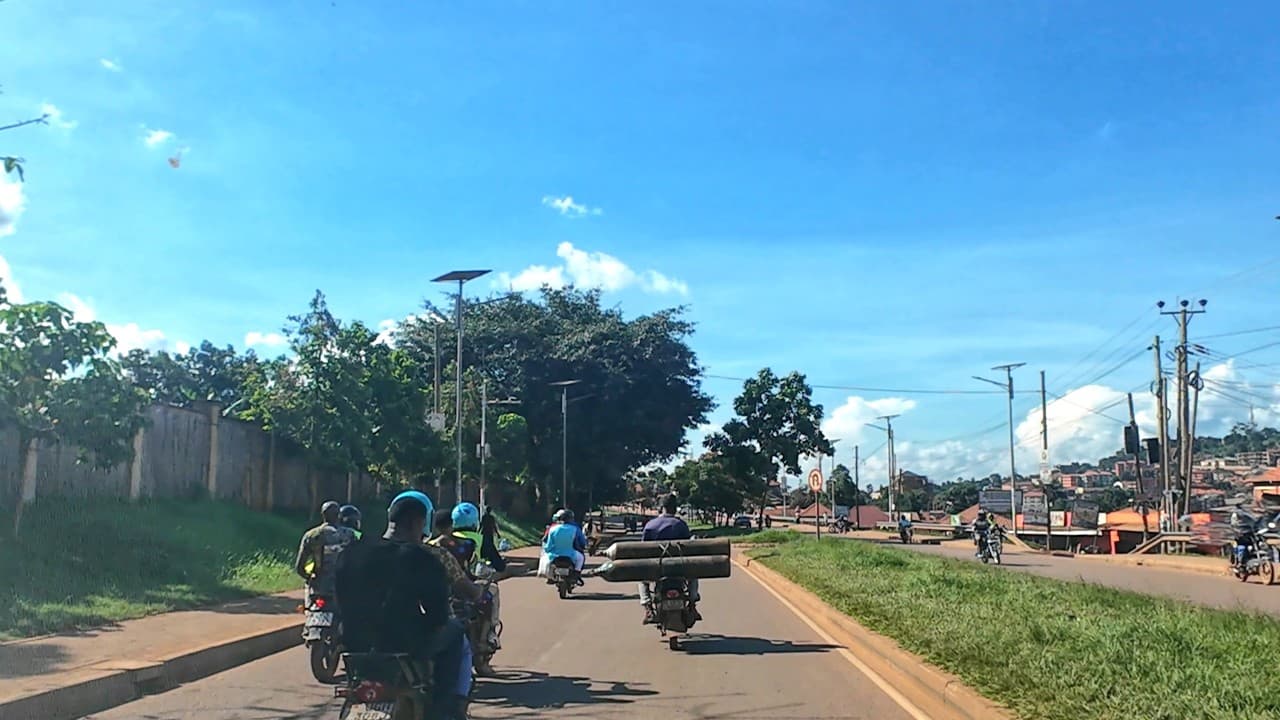
Driving through Bweyogerere feels less like touring and more like watching a high-speed chess game. The boda-bodas (motorcycle taxis) weave through gridlock with a confidence that defies physics. They are the primary mode of transport for locals who need to be everywhere at once. You will see them everywhere, a blur of helmets and cargo nets, carrying everything from groceries to entire families. If you want to move quickly, you flag one down. If you want to understand the local rhythm, you sit in a matatu (minibus) and watch the highway stretch out like a promise of somewhere else.
The Stadium and the Spectacle
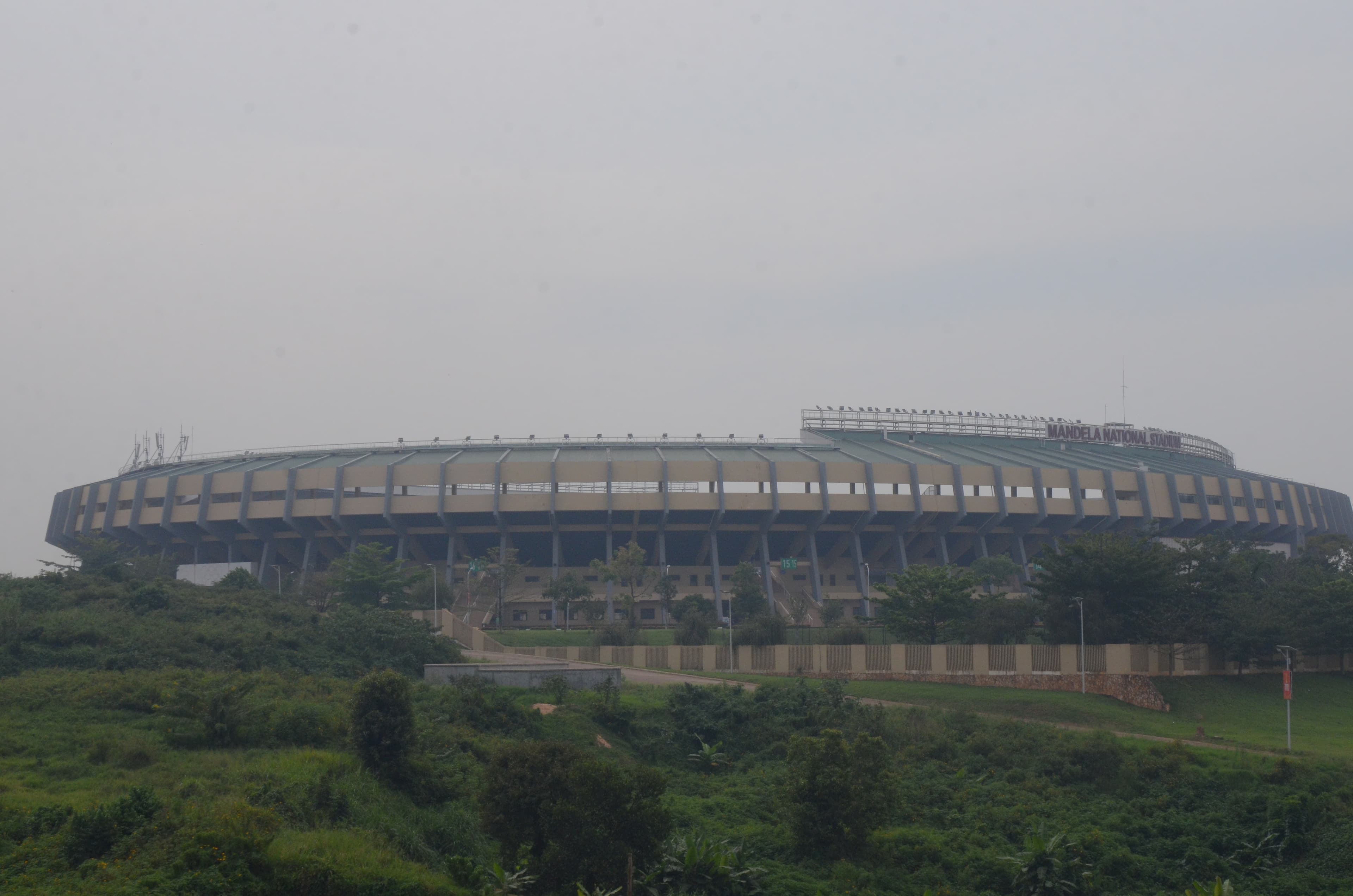
The Mandela National Stadium commands respect. Located in the Bweyogerere area, this venue serves as a civic anchor. When a big match is on, or a concert is scheduled, the entire township shifts its weight. The air gets louder. The boda-bodas charge premium rates. The small eateries near the stadium gates open early and stay open late, fueled by the collective energy of thousands of fans.
Even when there is no event, the stadium stands as a reminder of scale. It is a massive structure in a township that is otherwise defined by smaller, more intimate interactions. For the visitor, it offers a rare chance to see Ugandan passion in its rawest form. You do not need to be a football expert to appreciate the atmosphere. You just need to be willing to stand in the crowd and let the noise wash over you. It is a humbling experience, in the best possible way.
Eating Like a Local
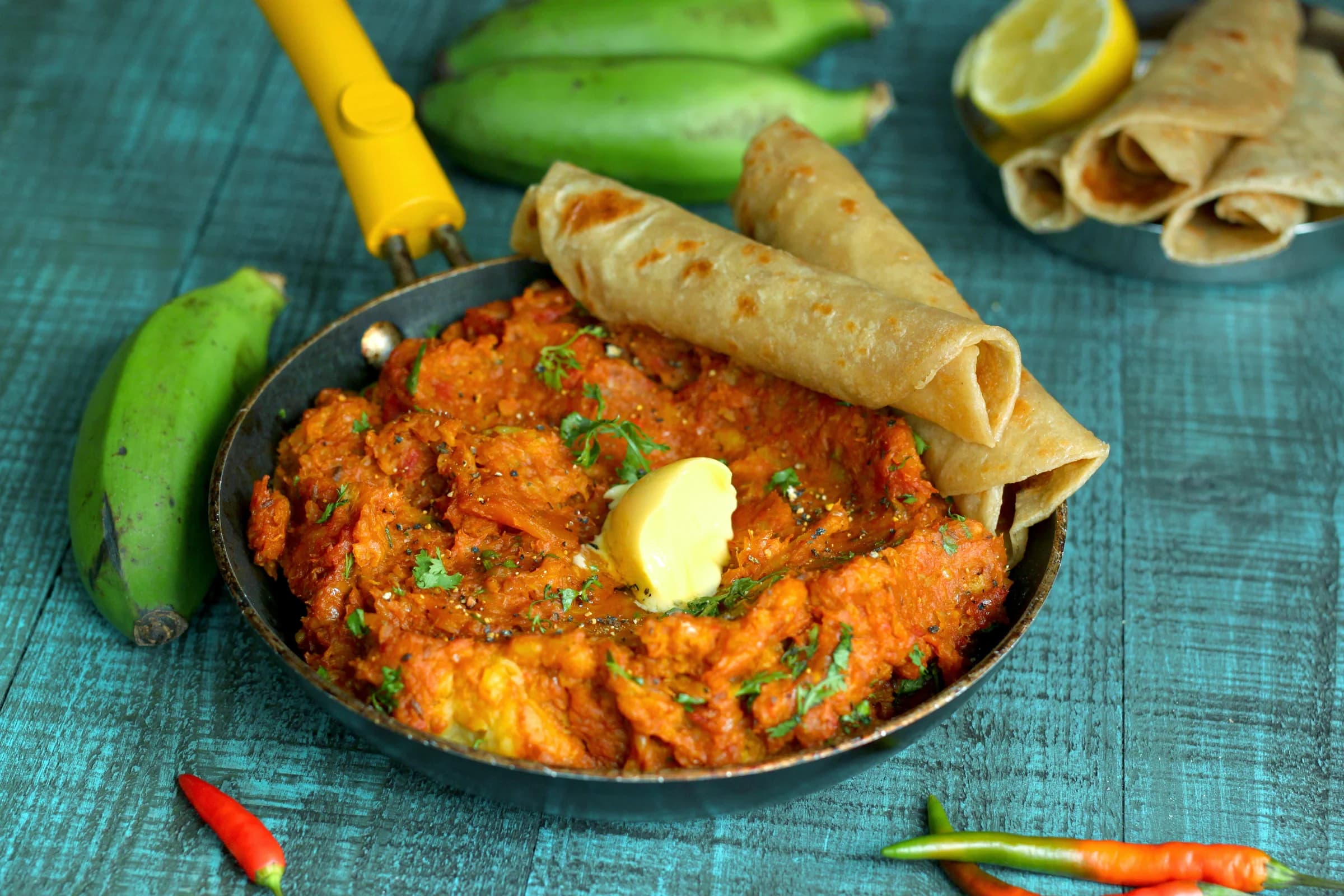
You eat what feeds the body in Bweyogerere. The staple is matooke—steamed green bananas that are mashed and served with a side of sauce. It is heavy, it is filling, and it is delicious if you approach it with an open mind. You will find it at small roadside stalls and local eateries, often served on a simple plastic plate with a spoon that has seen better days.
If you want to elevate the experience, look for luwombo. This is a traditional dish where meat or fish is steamed inside banana leaves, trapping the flavors in a fragrant, herbal steam. It is labor-intensive, which means it is usually reserved for special occasions or better-equipped local kitchens. In Bweyogerere, you can sometimes find it at local spots that take pride in their heritage. The taste is earthy, rich, and distinctly Ugandan. It is not food for the faint of heart, but it is food for the soul. Pair it with a cold local beer or a sweet tea, and you have a meal that will stick with you long after you’ve left the township.
Practicalities: Getting Around and Staying
Bweyogerere is approximately 11.4 kilometers from the center of Kampala. That sounds close, but in Ugandan traffic, distance is measured in time, not kilometers. During peak hours, that journey can take anywhere from 30 minutes to an hour. There is no railway station serving Bweyogerere directly. The nearest rail activity is in Kampala or Namanve, which means road transport is your only real option.
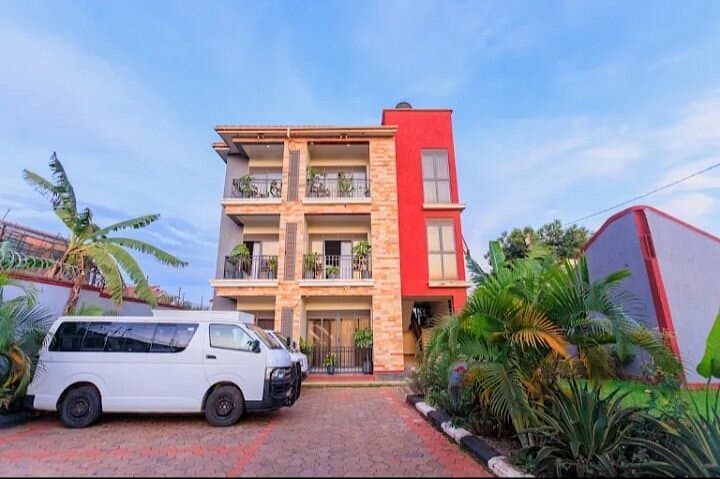
Accommodation options in Bweyogerere itself are limited. Most visitors use it as a base for exploring the greater Kampala area or as a transit point. If you are staying in the township, you will likely be in a guesthouse or a small hotel that caters to locals and budget travelers. Prices are reasonable, but amenities are basic. Do not expect a concierge or a swimming pool. Expect a clean bed, a working fan, and a view of the highway. For a more comfortable stay, consider lodging in nearby Kampala and day-tripping to Bweyogerere for the stadium events or the food.
When to Go and Who It’s For
There are no major holidays scheduled in the next six months that will impact travel to Bweyogerere. This is good news for those who prefer to avoid crowds. The best time to visit is during the dry seasons, typically June to September and December to February. The roads are more passable, and the rain is less likely to turn your journey into a mud-slinging adventure.
Bweyogerere appeals to a specific type of traveler. It is not a relaxing beach destination. It is for the curious traveler who wants to see how Uganda works. It is for the solo traveler who is comfortable navigating busy streets and negotiating with boda-boda drivers. It is for the foodie who is willing to try matooke for the first time. Spend a day here. Watch the traffic. Eat the food. Then head back to Kampala with a new perspective.
FAQ
Is Bweyogerere safe for tourists? Like any busy urban area, it requires common sense. Stick to well-lit areas at night, be cautious with your valuables, and negotiate fares before getting into a boda-boda or taxi. It is generally safe during the day, especially near the stadium and main highway.
How do I get from Kampala to Bweyogerere? The easiest way is by taxi or ride-hailing app. The journey takes about 30–60 minutes depending on traffic. You can also take a matatu (minibus) on the Kampala-Jinja Highway, which is cheaper but less comfortable.
Are there restaurants in Bweyogerere? Yes, but they are mostly local eateries serving Ugandan staples like matooke and luwombo. Do not expect international cuisine. Embrace the local food scene for the best experience.