Evaluate San Marino’s 2,000-year viticultural output from the Chiesanuova slopes. Precise logistics for the 160 bus, harvest timing, and regional wine standards.
The Elevation Advantage
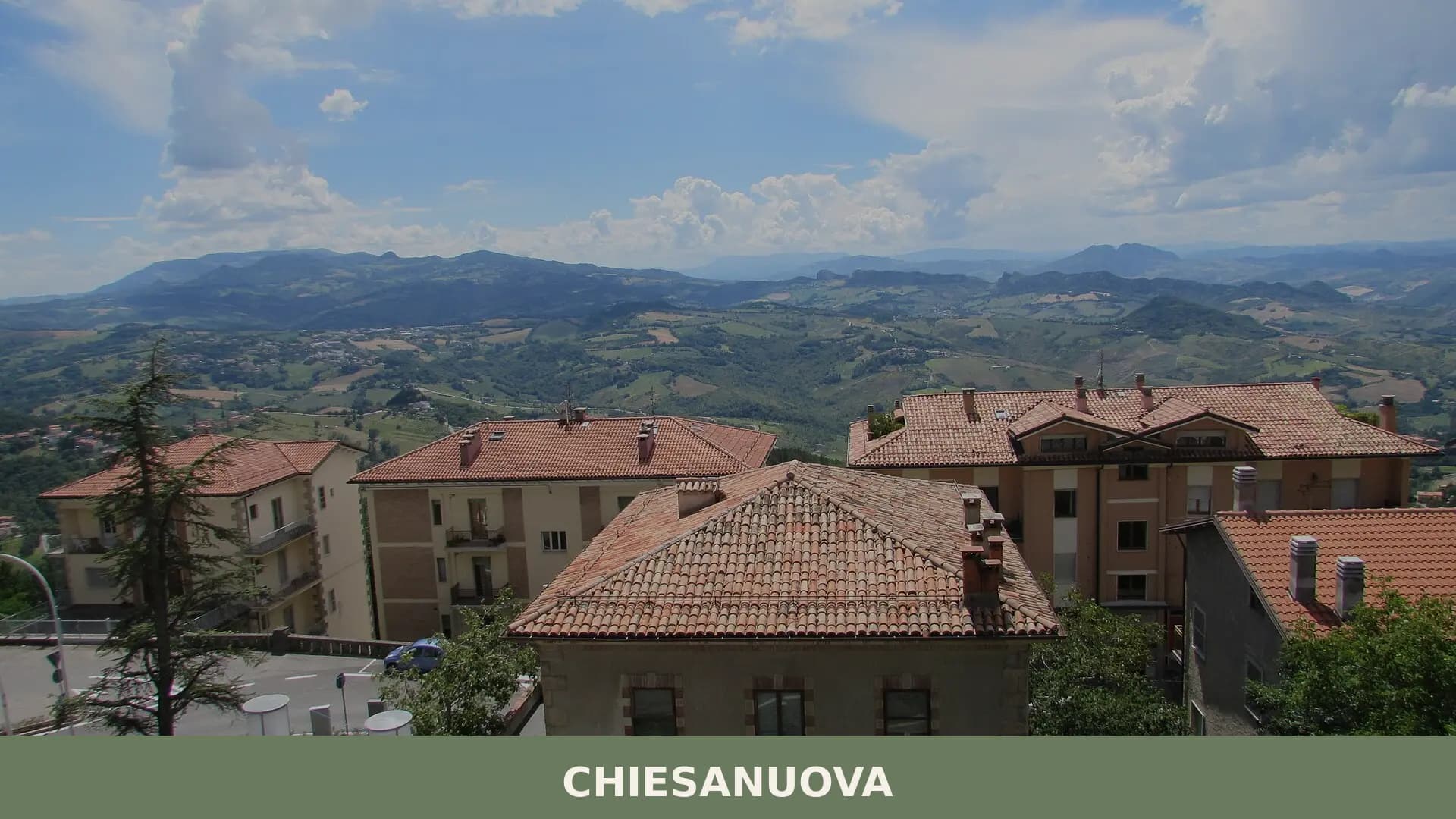
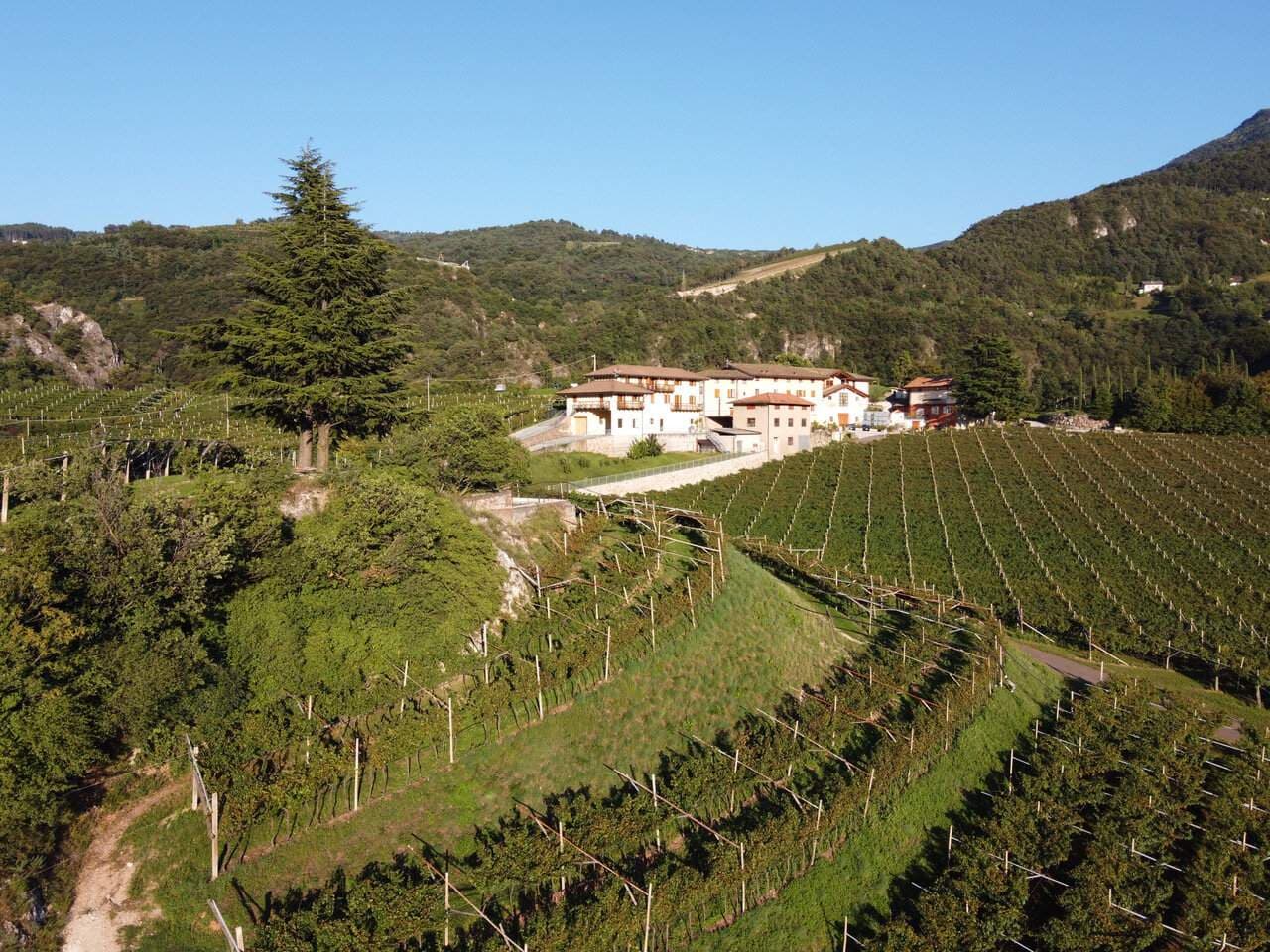
The vineyards surrounding Poggio di Chiesanuova operate at a distinct geographic advantage. The hamlet, a curazia within the castle of Chiesanuova, sits at an altitude that facilitates the drainage and temperature variation required for premium grape cultivation. San Marino has maintained vine cultivation on these slopes for nearly 2,000 years. This is an agricultural discipline with deep historical roots, rather than a recent tourism initiative. The terrain here is steep, which limits the volume of production but enforces a strict quality control. The soil composition, combined with the maritime influence from the Adriatic coast, creates a microclimate where Sangiovese, the region’s leading red grape, achieves a concentration of tannins and acidity that defines the Sammarinese wine profile.
Grading the Varietals
The viticultural output of this region is categorized by specific grape varieties, each serving a distinct functional role in the winemaking process. Sangiovese remains the primary red varietal, offering structure and longevity. For white wines, Biancale and Ribolla are the leading cultivars, producing crisp, mineral-driven profiles that reflect the limestone-rich terroir. Moscato is utilized for sweeter white expressions, while international varieties such as Chardonnay, Cabernet Sauvignon, and Merlot are also present in the local viticultural mix.
Red wines aged in cask, specifically Brugneto and Tessano, represent the upper echelon of the region’s red offerings. On the white side, Roncale is a still wine that adheres to traditional production methods. The distinction between these varietals is not merely academic; it dictates the aging potential and the pairing logic for the local cuisine. When evaluating a bottle from this region, the label’s varietal designation is the primary indicator of the wine’s structural integrity and intended consumption window.
The Institutional Framework
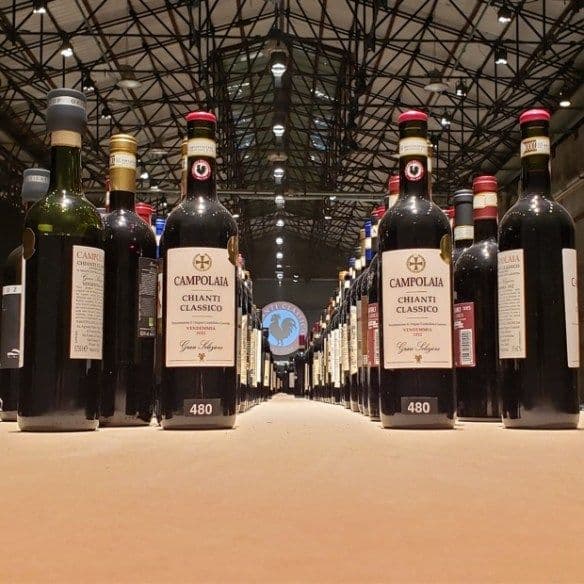
The wine industry in San Marino operates under a structured institutional framework. The Cantina di San Marino, a cooperative winery operating since 1979, serves as the central hub for production and quality assurance. This entity aggregates grapes from local growers, ensuring consistency in the final product. The Consorzio Vini Tipici di San Marino functions as the regulatory body, comprising winegrowing members who adhere to specific production standards. This consortium protects the integrity of the "Vini Tipici" designation, ensuring that wines labeled with this term meet strict criteria regarding origin, grape variety, and production method. For the visitor, this means that a bottle purchased from a local source carries a verifiable standard of quality, distinct from generic regional labels.
Logistics and Access
Accessing Poggio di Chiesanuova requires a specific transit strategy, as the Republic of San Marino has no railway network. The nearest major railhead is Rimini, served by the Stazione di Rimini. From Rimini, the connection to Chiesanuova is via bus or private car. The Line 160 bus is a referenced option for the journey from Chiesanuova to Rimini. Specific bus stops serving the immediate vicinity of Poggio di Chiesanuova are not explicitly detailed in standard transit maps, so travelers should verify local pickup points upon arrival in Chiesanuova. The postal code for the area is RSM-47894, which may be useful for navigation apps. The time zone is Europe/San_Marino (UTC+01:00 standard time). The journey from the railhead to the hamlet is short but requires precise timing, as bus frequencies in rural Italian and San Marinese contexts are not dense.

Timing and Seasonality
The optimal window for visiting the wine regions of San Marino aligns with the harvest season, typically occurring in the autumn months. This period offers the highest visibility of agricultural activity and the freshest availability of new vintages. However, the proximity of upcoming holidays impacts availability and pricing. All Saints' Day (November 1, 2026) and the Commemoration of the Dead (November 2, 2026) are approximately five to six weeks away. Expect higher demand for accommodation and potential surge pricing in nearby towns such as Rimini or the capital, San Marino, during this period. Booking early is advised for late-October visits. The winter holidays, including Immaculate Conception Day (December 8), Christmas Eve (December 24), Christmas Day (December 25), and Saint Stephen's Day (December 26), will see reduced operational hours for some wineries and increased tourist density. For a focused wine audit, the quiet weeks of September and October, before the holiday rush, offer the most controlled environment for evaluation.
Practical FAQ
Is a visa required for San Marino? San Marino is surrounded by Italy and is not part of the Schengen Area. Travelers entering from Italy typically do not face strict border controls. Those entering from other countries should ensure their documentation complies with both Italian and San Marinese entry requirements.
What is the best way to reach the vineyards? Private car is the most efficient mode of transport. If relying on public transit, take a train to Rimini, then a bus (such as Line 160) to Chiesanuova. From Chiesanuova, the hamlet of Poggio di Chiesanuova is a short distance away, but local bus connections may be limited, so walking or arranging a local transfer is recommended.
Where can I purchase wine in Poggio di Chiesanuova? Specific retail shops in the hamlet are not listed in the primary sources. The Cantina di San Marino and the Consorzio Vini Tipici di San Marino are the primary sources for certified regional wines. Visits to the cantina or local shops in the nearby town of Chiesanuova are the most reliable methods for purchasing authentic Sammarinese wine.