Skip the beach crowds. Partido offers dry-season sun, hearty stews, and the kind of quiet that actually lets you sleep.
The air in Partido does not carry the salt-heavy humidity of the Caribbean coast. It is thinner, drier, and smells faintly of dust and distant rain. This is the northwest corner of the Dominican Republic, a municipality that exists less as a destination and more as a pause button. If you are looking for neon-lit all-inclusives or Instagram-worthy cliff dives, you have taken a wrong turn at Dajabón. But if you are looking for winter without the winter chill, and a pace of life that moves at the speed of a slow-cooked stew, you are exactly where you need to be.
Partido is quiet. It is overlooked. It is a holding space for travelers who prefer the texture of reality over the polish of tourism. In the winter months, when the rest of the island is packed with tourists fleeing snow, Partido offers something rarer: space.
The Reality of the Border Region
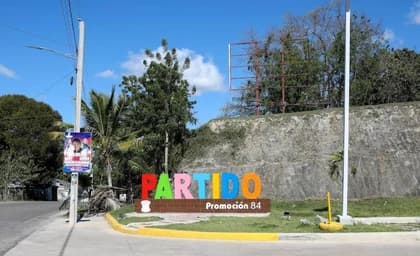
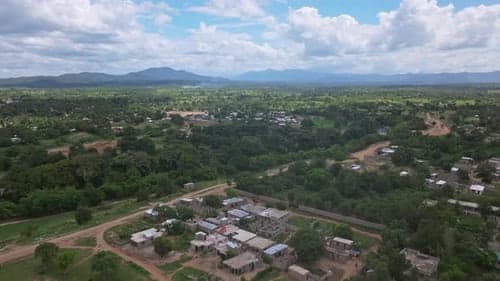
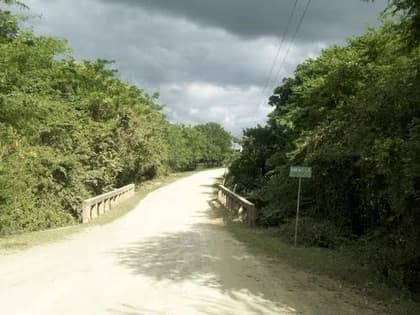
Let us address the geography immediately. Partido sits in the Dajabón Province, hugging the border with Haiti. The region is rural, rugged, and deeply local. The landscape is defined by dry scrub and the occasional flash of green where irrigation holds strong. There are no towering monuments here, no ancient temples to photograph, and no famous bridges to walk across. The "landmarks" are the ones you create: the specific curve of the road leading into town, the shade of the mango tree near the main plaza, the way the light hits the corrugated metal roofs in the late afternoon.
This lack of curated sights is the point. You are not here to check boxes. You are here to exist in a place that has not been optimized for your convenience. The silence is heavy with the rhythm of daily life. You will hear roosters before you hear traffic. You will see locals walking distances that would make a tourist break a sweat. It is a place that demands you slow down, not because it is relaxing, but because there is literally nowhere else to rush to.
Eating Like a Local
If Partido does not have sights, it has sustenance. The food here is fuel, made with ingredients that have been grown in this soil for generations. You will not find a menu with English translations. You will find what is fresh, what is cheap, and what is good.
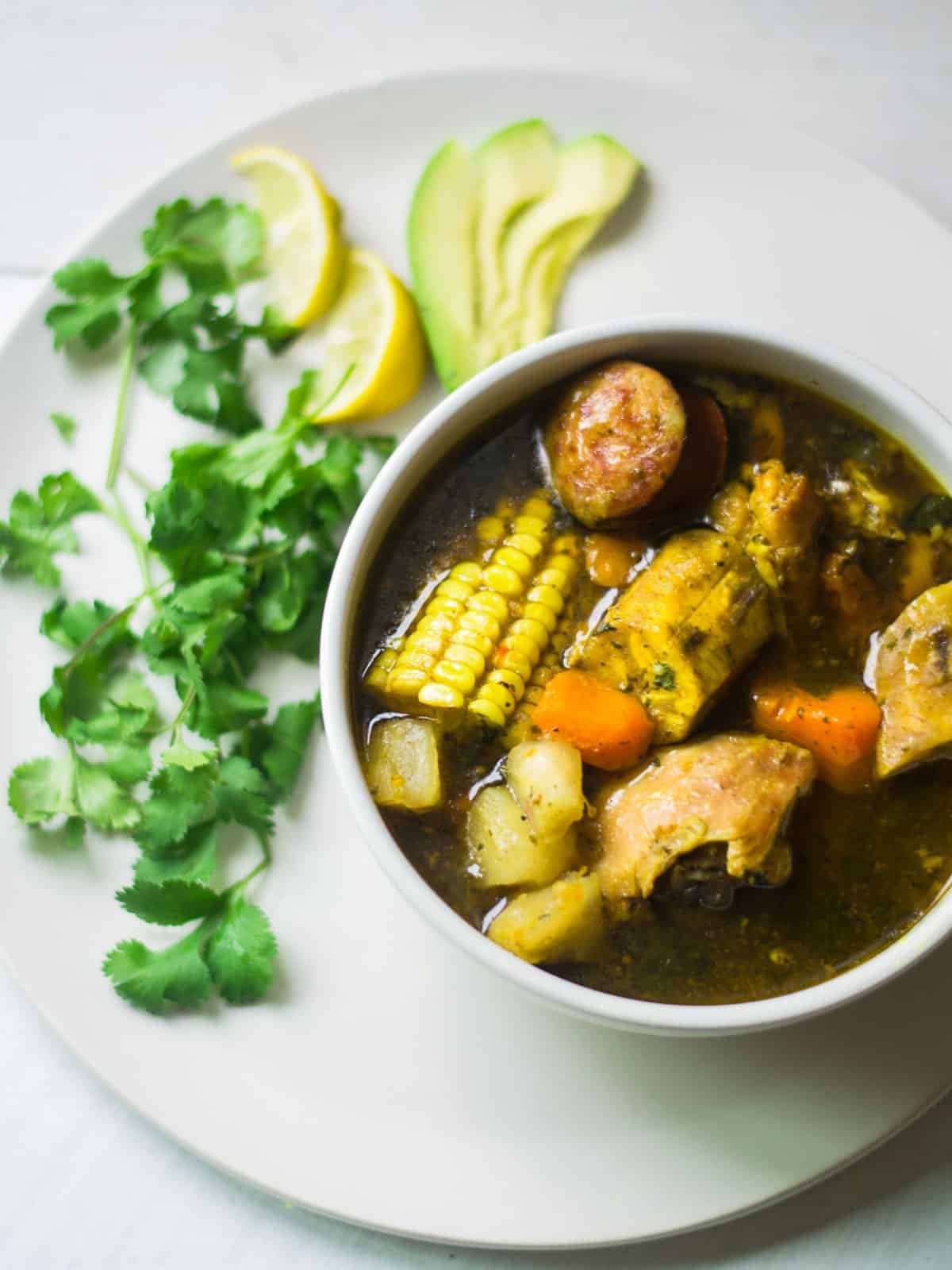
The staple is Sancocho. This dish is a commitment. A rich, thick stew made with a combination of meats—beef, pork, goat, or chicken—simmered until they fall apart, along with root vegetables like yuca and plantains. It is served in portions that challenge your ego. Eating it is a communal act, usually accompanied by white rice and a serious amount of black beans. It is heavy, comforting, and the perfect antidote to the crisp winter air.
Then there are Pasteles en hoja. While often associated with the Christmas holidays, these boiled parcels of root crops filled with meat and wrapped in banana leaves are a testament to the region’s culinary patience. They are labor-intensive, time-consuming, and deeply flavorful. Finding a local vendor selling them is a small victory.
For something quicker, seek out Chicharrón. These are fried pork chunks, crispy on the outside, tender within, often served with tostones (fried green plantains) or boiled yuca. It is the Dominican equivalent of a pub snack, but elevated to a meal. You will eat it with your hands. You will get grease on your fingers. It will be the best thing you have eaten all week.
Getting Around and Where to Stay
Do not expect a subway system. Do not expect a bus schedule that adheres to the concept of "on time." The Dominican Republic’s rail infrastructure is largely freight-focused, serving sugar mills and industrial zones. There is no passenger train line that will whisk you from Santo Domingo to Partido in style. Your legs and your car are your primary transport.
Access to Partido is typically by road from the provincial capital, Dajabón, or from Santiago further east. The roads can be rough, the signage minimal. If you are driving, keep your eyes on the horizon and your hands on the wheel. If you are not driving, you will rely on local shared taxis or private arrangements. Fares are negotiable, but transparency is not always guaranteed. Agree on a price before you get in.
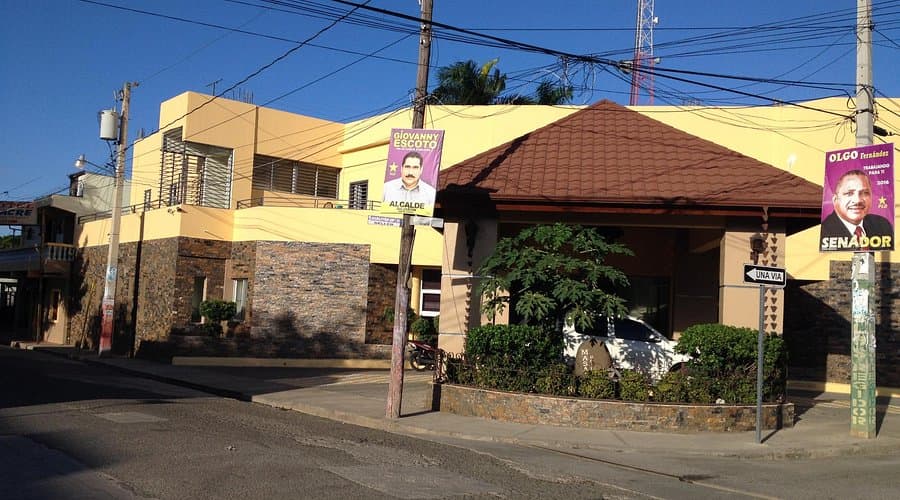
Accommodation in Partido is a simple experience. You will not find five-star resorts with infinity pools. You will find guesthouses, small inns, and possibly homestays. The focus is on cleanliness and security, not amenities. Expect a fan instead of air conditioning (though the winter nights are cool enough that you may not need it). Expect a simple bed and a quiet room. The price band for lodging in this region is generally low, often ranging from around 2,000 to 5,000 Dominican Pesos per night, depending on the season and your negotiation skills. This is a place for saving.
When to Go and Who It Is For
The winter season, from December to March, is the dry season. The skies are clearer, the temperatures are cooler, and the humidity is manageable. This is the peak tourist time for the Dominican Republic, but in Partido, "peak" is a relative term. You will see more travelers than in the summer, but you will not see crowds.
However, timing matters. The next major holiday is Restoration Day on August 16, 2026. While this is outside the winter window, it is worth noting that holidays in the Dominican Republic are serious business. Streets close, businesses shut, and the entire country slows to a crawl. If you are traveling during Constitution Day in November or Christmas in December, expect higher demand and surge pricing. Book early. The local infrastructure is not built to handle sudden spikes in population.
Partido is for the slow traveler. It is for the writer who needs silence. It is for the couple who wants to talk to each other without shouting over the ocean. It is for those who understand that travel is about presence.
Practical Questions
Is it safe? Like any border region, Partido requires situational awareness. The area is not a lawless zone, but it is not a resort. Keep your valuables hidden. Do not walk alone at night in unfamiliar areas. Talk to your host about which neighborhoods to avoid. Common sense is your best security system.
Do I need a visa? Most tourists from the US, Canada, and the EU do not need a visa for short stays in the Dominican Republic. You will need a tourist card, which is often included in your airline ticket or can be purchased at the airport. Always check the latest entry requirements before you travel, as regulations can change.
What is the currency? The Dominican Peso (DOP). US Dollars are widely accepted in tourist areas, but in a place like Partido, you will need local currency. ATMs may be scarce outside of Dajabón. Bring small bills. You will be paying for meals, transport, and souvenirs in cash.
Partido will not change your life. It will not offer you a spiritual awakening. It will offer you a quiet corner of the world, a good meal, and a chance to remember that travel is sometimes just about being somewhere else, without the noise. And in winter, that is enough.